Plant Catalog

Maquencal, Guatuso, Costa Rica

Edition June 2026  ·  Pricing in Costa Rican Colones (₡)

Ecological & Ethnobotanical Uses

Active symbols (full color) indicate characteristics applicable to each plant. Faded symbols are not applicable.

Good for Birds
Edible Uses
Medicinal Uses
Water & Ecosystem Conservation
Regenerative Agroforestry
Timber Uses
Medicinal / Industrial Resin
Ornamental
Good for Pollinators

Syntropic Agroforestry Profile

Structural and functional role in a syntropic agroforestry succession system. Values are shown below each symbol on every plant entry.

Strata
Canopy layer in the agroforestry system (Ground / Low / Medium / High / Emergent)
Lifecycle
Succession stage (Placenta / Secondary / Climax)
Maturity
Time to reach productive maturity
Lifespan
How long the plant lives (Annual / Biennial / Perennial)
Function
Primary role in the agroforestry system (Food / Support / Wood / Pioneer / etc.)
Spacing
Recommended planting spacing

Table of Contents

Acanthaceae..................1 plant
Annonaceae..................4 plants
Apiaceae..................1 plant
Apocynaceae..................1 plant
Araceae..................4 plants
Arecaceae..................1 plant
Asteraceae..................2 plants
Basellaceae..................1 plant
Bignoniaceae..................1 plant
Bixaceae..................1 plant
Cactaceae..................3 plants
Clusiaceae..................1 plant
Combretaceae..................1 plant
Cucurbitaceae..................1 plant
Dioscoreaceae..................1 plant
Erythroxylaceae..................1 plant
Fabaceae..................3 plants
Heliconiaceae..................1 plant
Lamiaceae..................2 plants
Magnoliaceae..................1 plant
Malpighiaceae..................2 plants
Malvaceae..................5 plants
Moraceae..................2 plants
Myristicaceae..................1 plant
Myrtaceae..................4 plants
Oxalidaceae..................1 plant
Passifloraceae..................1 plant
Phytolaccaceae..................1 plant
Piperaceae..................1 plant
Poaceae..................3 plants
Rubiaceae..................8 plants
Rutaceae..................4 plants
Sapotaceae..................3 plants
Selaginellaceae..................1 plant
Urticaceae..................1 plant
Verbenaceae..................1 plant
Zingiberaceae..................4 plants
Unknown..................3 plants

Acanthaceae

1 plant
Acanthaceae
Justicia pectoralis
Tilo
₡2,000Enquire
0
Central AmericaZone 9-11Food
Habit
Perennial
Height
0.75 m
Pollinators
Insects
Cultivation Status
Wild

Native range: S. America - Paraguay, Brazil, Bolivia, Peru, Ecuador, Colombia, Venezuela, the Guyanas; C. America - Panama to Mexico; Caribbean

The plant is sweetly fragrant

La planta tiene un aroma dulce y fragante

None known

The plant is antiemetic. A decoction is used as a treatment for upset stomach. A tea is used as a treatment for influenza, fever, whooping cough, fits. An infusion is used to treat headaches caused by blows to the head. It is also used in the treatment of haemorrhages. A decoction of the plant is used as an external bath for a febrifuge. The macerated leaf is applied externally as a vulnerary in the treatment of haematoma. Used in a pectoral tea or eaten in a toffee to treat coughs and colds. An infusion of the leaves is used as a hair rinse to treat hair loss. The plant contains coumarim and umbelliferone.

La planta es antiemética. Se utiliza una decocción como tratamiento para el malestar estomacal. Una infusión se usa como tratamiento para la influenza, la fiebre, la tos ferina y los ataques convulsivos. Una infusión se utiliza para tratar dolores de cabeza causados por golpes en la cabeza. También se usa en el tratamiento de hemorragias. Una decocción de la planta se usa como baño externo como febrífugo. La hoja macerada se aplica externamente como vulnerario en el tratamiento de hematomas. Se utiliza en un té pectoral o se come en un caramelo para tratar tos y resfriados. Una infusión de las hojas se usa como enjuague capilar para tratar la caída del cabello. La planta contiene cumarina y umbeliferona.

No data available for this section.

📚 Porvenir Design DB
StrataMediumLifecycleSecondary 1Maturity3-4 monthsLifespanFunctionFoodSpacing1 m

Annonaceae

4 plants
Annonaceae
Annona glabra
Pond Apple
Anona de Agua
₡3,500In stock
0
Food
Habit
Evergreen Tree
Height
13.00 m
Growth Rate
Fast
Pollinators
Beetles, Insects
Cultivation Status
Cultivated, Ornamental, Wild

Native range: Coastal regions of tropical and subtropical South and Central America to Florida and the West Indies.

Annona glabra is a plant of the humid, lowland tropics. The plant can survive occasional, short-lived, very light frosts with temperatures down to 0°c. Grows best in a sunny position. Prefers a moist sandy loam and a pH of about 6. This species tolerates wetter conditions than most other members of the genus. The plant can succeed in places where the soil is inundated for weeks at a time. Succeeds in marshy areas with saline water. Annona glabra was introduced into many areas of the world as a potential crop and rootstock for other commercial Annona species. It has proved to be invasive, mostly in and around the Pacific, and is an important wetland weed that also threatens mangroves. Unlike most pioneer species, however, it also invades relatively undisturbed areas. It has proved to be one of the worst weeds in Australia. The thick, reddish bark is very aromatic. Especially when planted in wet soils, young plants grow away rapidly. Trees can begin to flower and set fruit when two years old from seed.

Annona glabra es una planta de los trópicos húmedos y de tierras bajas. Puede sobrevivir heladas ocasionales, breves y muy ligeras con temperaturas hasta 0°c. Crece mejor en posición soleada. Prefiere un suelo franco arenoso húmedo con pH aproximado de 6. Esta especie tolera condiciones más húmedas que la mayoría de otros miembros del género. La planta puede prosperar en lugares donde el suelo está inundado durante semanas. Tiene éxito en áreas pantanosas con agua salina. Annona glabra fue introducida en muchas áreas del mundo como cultivo potencial e portainjerto para otras especies comerciales de Annona. Ha demostrado ser invasiva, principalmente en el Pacífico y sus alrededores, y es una mala hierba importante de humedales que también amenaza los manglares. A diferencia de la mayoría de especies pioneras, también invade áreas relativamente sin disturbar. Ha resultado ser una de las peores malezas en Australia. La corteza gruesa y rojiza es muy aromática. Especialmente cuando se planta en suelos húmedos, las plantas jóvenes crecen rápidamente. Los árboles pueden comenzar a florecer y dar frutos cuando tienen dos años de edad a partir de semilla.

Fruit - raw. The pulp is eaten raw or made into jellies or drinks. Best eaten when fully ripe and soft. Highly fragrant. Slightly sweet, but insipid. It is a kind of survival food. The fruits contain an abundant, creamy-yellow pulp which is often insipid. The flesh is usually palatable, but often pales in comparison to some other species in the genus. Some trees do produce nice fruits, however, and the species has its admirers. The fruit can be up to 150mm long and 90mm in diameter, containing numerous light-brown seeds each up to 15mm long.

Fruto - fresco. La pulpa se consume cruda o se prepara en mermeladas o bebidas. Se consume mejor cuando está completamente maduro y suave. Altamente fragante. Ligeramente dulce, pero insípido. Es una especie de alimento de supervivencia. Los frutos contienen una pulpa abundante de color crema amarillento, a menudo insípida. La carne es generalmente comestible, pero frecuentemente se queda corta en comparación con otras especies del género. Algunos árboles producen frutos agradables, y la especie tiene sus admiradores. El fruto puede medir hasta 150 mm de largo y 90 mm de diámetro, conteniendo numerosas semillas de color marrón claro, cada una de hasta 15 mm de largo.

The leaves are anthelmintic and antirheumatic. The leaves and young stems, sometimes combined with the leaves and stems of Passiflora foetida, are boiled to make a tea which is drunk to destroy flatworms and nematodes. An infusion of the leaves and the flowers is used to treat rheumatism, liver diseases, hepatitis etc. The bark and the leaves, combined with the bark and leaves of Annona squamosa, are used as a sedative and cardiotonic infusion. The fruit is used as a treatment for dysentery. A syrup made from the fruit is used to treat chest colds, dry coughs and tuberculosis.

Las hojas son antihelmínticas y antirreumáticas. Las hojas y tallos jóvenes, a veces combinados con hojas y tallos de Passiflora foetida, se hierven para hacer un té que se bebe para destruir lombrices intestinales y nematodos. Una infusión de hojas y flores se utiliza para tratar reumatismo, enfermedades hepáticas, hepatitis, etc. La corteza y las hojas, combinadas con corteza y hojas de Annona squamosa, se utilizan como infusión sedante y cardiotónica. El fruto se utiliza como tratamiento para la disentería. Un jarabe elaborado con el fruto se utiliza para tratar resfriados de pecho, tos seca y tuberculosis.

This species is a naturally invasive, pioneer species; establishing itself both in open areas and relatively undisturbed areas. It is a very effective plant for restoring native woodland, though it should not be used as a pioneer outside of its native range because of the risk of invasiveness. The plant is not eaten by the Giant African snail, (Achatina fulica), and so it is planted as low dense hedges around desirable crops to prevent infestations of the snail.
Esta especie es naturalmente invasiva y pionera, estableciéndose tanto en áreas abiertas como en áreas relativamente sin disturbar. Es una planta muy efectiva para restaurar bosques nativos, aunque no debe usarse como pionera fuera de su rango nativo debido al riesgo de invasividad. La planta no es comida por el caracol gigante africano (Achatina fulica), por lo que se planta en setos bajos y densos alrededor de cultivos deseables para prevenir infestaciones del caracol.

StrataMediumLifecycleSecondary 2Maturity18-24 monthsLifespan50-100 yearsFunctionFoodSpacing6-8m
Annonaceae
Annona mucosa
Biriba
Biriba
₡3,500In stock
0
South AmericaZone 10-12Food
Habit
Evergreen Tree
Height
12.00 m
Growth Rate
Fast
Pollinators
Beetles, Insects
Cultivation Status
Cultivated, Wild

Native range: S. America - Brazil, Bolivia, Peru, Ecuador, Colombia, Venezuela, Guyana; C. America - Panama to Mexico; Caribbean.

Annona mucosa is a plant of the hot, humid, tropical lowlands. Plants are very susceptible to frost damage. Prefers a fertile, well-drained soil and a position in full sun. A fast-growing tree. Plants can commence bearing fruit when about 4 years old. The roots are aromatic. The leaves, when bruised, give off an unpleasant smell. Plants are becoming threatened in the wild due to deforestation.

Annona mucosa es una planta de las tierras bajas tropicales cálidas y húmedas. Las plantas son muy susceptibles al daño por heladas. Prefiere suelos fértiles y bien drenados, y una posición a pleno sol. Árbol de rápido crecimiento. Las plantas pueden comenzar a producir frutos alrededor de los 4 años de edad. Las raíces son aromáticas. Las hojas, cuando se magullan, despiden un olor desagradable. Las plantas están siendo amenazadas en la naturaleza debido a la deforestación.

Fruit - raw or cooked. Of excellent quality. The yellow fruits have a juicy, melting flesh of a very pleasant flavour, reminiscent of lemon meringue pie. Delicious. Usually eaten raw, they can also be used in ice cream, pies, cakes etc. The fermented fruit is used to make a beverage. The yellow to brown, globose to depressed ovois, compound fruit can be up to 20cm long and 15cm wide.

Fruta - cruda o cocida. De excelente calidad. Los frutos amarillos tienen una pulpa jugosa y derretible de sabor muy agradable, que recuerda al pay de merengue de limón. Deliciosa. Generalmente se consume cruda, también puede utilizarse en helados, tartas, pasteles, etc. La fruta fermentada se utiliza para preparar una bebida. El fruto compuesto, de color amarillo a marrón, globoso a deprimido ovoide, puede medir hasta 20 cm de largo y 15 cm de ancho.

The leaves are utilized in folk medicine as a treatment against rheumatism. The powdered seeds are said to be an efficient means of combatting intestinal problems. The powdered seeds are used as a treatment for head lice.

Las hojas se utilizan en la medicina tradicional como tratamiento contra el reumatismo. Se dice que las semillas en polvo son un medio eficaz para combatir problemas intestinales. Las semillas en polvo se utilizan como tratamiento para los piojos.

No data available for this section.

StrataMediumLifecycleSecondary 2Maturity3-5 yearsLifespan20-30 yearsFunctionFoodSpacing4-10 m
Annonaceae
Annona muricata
Soursop
Guanabana
₡2,000In stock
0
Central AmericaZone 10-11Food
Habit
Evergreen Tree
Height
7.00 m
Growth Rate
Fast
Pollinators
Flies, Beetles, Insects
Cultivation Status
Cultivated, Wild

Native range: S. America - northern S. America, southern Central America, Caribbean.

Annona muricata grows best in the moist, humid tropical and subtropical lowlands at elevations up to about 1,000 metres. It prefers a mean annual temperature in the range 25 - 30°c with a mean annual rainfall in the range 1,000 - 2,500mm. The plant is intolerant of frosts. Grows best in a sunny position. Prefers a moist but well-drained, sandy loam with a pH in the range 5.5 - 6.5. Prefers a deep rich loam, but tolerates poor soils. Succeeds in light-textured, alkaline soils. Established plants are very drought tolerant. The plant is widely cultivated as a fruit crop and sometimes escapes from cultivation. Whilst currently assessed as having a low potential for becoming an invasive species, there are some Pacific Islands where it has been reported to be moderately invasive. The leaves have an aroma similar to blackcurrants. Flowers are protandrous, and the pollen is shed as the outer petals open towards the evening. The inner petals open much later and only very slightly, admitting small insects attracted by the fragrance of the flowers. Presumably these insects effect cross-pollination, though rather inadequately, for few flowers set fruit and many fruits are misshapen since numerous ovules are not fertilized. Hand pollination is effective in improving fruit yield and quality. Sporadic flowering and fruiting can occur all year round in favourable conditions. Fruiting starts in the 2nd year, and 5-year-old trees produce 10 - 50 fruits, depending on pollination efficiency and nutrient status. There are many named varieties. The area around the base of the tree should be kept free from weeds or covered with mulch to avoid dehydration of the shallow roots during the dry season. Annona muricata can tolerate dry soil conditions, but the trees shed too many leaves if they experience prolonged drought.

Annona muricata crece mejor en las tierras bajas tropicales y subtropicales húmedas y mojadas a elevaciones de hasta aproximadamente 1.000 metros. Prefiere una temperatura media anual en el rango de 25 - 30°C con una precipitación anual media entre 1.000 - 2.500mm. La planta no tolera las heladas. Crece mejor en una posición soleada. Prefiere un suelo franco arenoso húmedo pero bien drenado con un pH entre 5,5 - 6,5. Prefiere un franco profundo y rico, pero tolera suelos pobres. Prospera en suelos de textura ligera y alcalinos. Las plantas establecidas son muy tolerantes a la sequía. La planta se cultiva ampliamente como cultivo frutal y a veces escapa del cultivo. Aunque actualmente se evalúa como de bajo potencial para convertirse en especie invasora, hay algunas islas del Pacífico donde se ha reportado que es moderadamente invasora. Las hojas tienen un aroma similar a la grosella negra. Las flores son protándrinas y el polen se dispersa cuando los pétalos externos se abren hacia la tarde. Los pétalos internos se abren mucho más tarde y solo muy ligeramente, permitiendo el paso de pequeños insectos atraídos por la fragancia de las flores. Presumiblemente estos insectos efectúan la polinización cruzada, aunque de manera inadecuada, pues pocas flores dan fruto y muchos frutos tienen forma irregular ya que numerosos óvulos no se fertilizan. La polinización manual es efectiva para mejorar el rendimiento y la calidad del fruto. La floración y fructificación esporádica pueden ocurrir durante todo el año en condiciones favorables. La fructificación comienza en el segundo año, y los árboles de 5 años producen 10 - 50 frutos, dependiendo de la eficiencia de la polinización y el estado de nutrientes. Existen muchas variedades nombradas. El área alrededor de la base del árbol debe mantenerse libre de malezas o cubierta con acolchado para evitar la deshidratación de las raíces superficiales durante la estación seca. Annona muricata puede tolerar condiciones de suelo seco, pero los árboles pierden demasiadas hojas si experimentan sequía prolongada.

Fruit - raw or cooked. Juicy and refreshingly acid. The fruit has a pineapple like aroma, but its subacid to acid flavour is unique and the pulp is very juicy and rich in vitamin A and C. The fruits are consumed fresh for dessert when fully ripe or mixed with ice cream or milk to make a delicious drink. Immature fruits, harvested when the seeds are still soft, are cooked as a vegetable in soups etc. The most desirable characteristics of the fruit are its extremely pleasing fragrance and flavour. The ovoid fruit contains many seeds; it is up to 20 x 10cm, and can weigh 1 kilo or more. Young shoots - cooked. Eaten as a vegetable. A tea, called corossol tea, is made from the leaves.

Fruto - crudo o cocido. Jugoso y refrescantemente ácido. El fruto tiene un aroma similar al de la piña, pero su sabor subácido a ácido es único y la pulpa es muy jugosa y rica en vitamina A y C. Los frutos se consumen frescos como postre cuando están completamente maduros o se mezclan con helado o leche para hacer una bebida deliciosa. Los frutos inmaduros, cosechados cuando las semillas aún están blandas, se cocinan como verdura en sopas, etc. Las características más deseables del fruto son su aroma y sabor extremadamente agradables. El fruto ovoide contiene muchas semillas; mide hasta 20 x 10cm y puede pesar 1 kilo o más. Brotes jóvenes - cocidos. Comidos como verdura. Se prepara un té, llamado té de guanábana, con las hojas.

Sour sop is often used in traditional medicine. Research has shown that it is antimalarial, uterine stimulant, anticrustacean, antiparasitic, cytotoxic (acetogenins), cardiac depressant, antiamoebic, antibacterial, antifungal, hypertensive, spasmogenic, vasodilator, insecticide, smooth muscle relaxant. The plant contains isoquinoline alkaloids including reticuline. The seed contains galactomannan, sitosterol, stigmasterol and cholesterol. The leaves are antispasmodic, calmative, narcotic. The crushed leaves are used as a remedy for distension and dyspepsia, scabies and skin diseases, rheumatism, coughs and colds. A decoction, often combined with Ludwigia erecta, is used to treat hypertension and heart conditions such as palpitations. A decoction of the leaves, combined with the leaves of avocado (Persea americana) is drunk as an antihypertensive. The leaves may also be used to make a decoction, which is taken orally with salt for digestive tract ailments and to relieve fatigue. The pungent leaves are well-known for their sleep-inducing properties - they can be taken in an infusion, or simply placed under the pillow. Applied externally, the crushed leaves are used to maturate boils and abscesses. A massage of the leaves is good for remedying nervous shock. The crushed, fresh leaves are said to have the effects of smelling salts to treat fainting. The fruit is antiscorbutic, febrifuge, mildly antidysenteric and a good vermifuge. It is used to treat bedwetting in children. A decoction is used to remedy excess foot and hand perspiration. The fruit is used to make a tonic that is used for treating fever, headache, hypertension, and heart problems. A crushed leaf and seed decoction is taken orally for intestinal malaise. The leaves and bark are cardiotonic and sedative. A decoction is used for treating anxiety attacks. The green bark is rubbed on wounds to stop bleeding. Flower or flower bud tea is mixed with honey for colds, chest pain and nerve disorders. The bark and young fruits, which contain tannin, are used to treat diarrhoea and dysentery. The green bark is rubbed on wounds to stop bleeding. The seed is an ingredient in a remedy for treating convulsions.

La guanábana se utiliza frecuentemente en la medicina tradicional. La investigación ha demostrado que es antipalúdica, estimulante uterino, anticrustáceo, antiparasitaria, citotóxica (acetogéninas), deprimente cardíaca, antíamebica, antibacteriana, antifúngica, hipertensiva, espasmógena, vasodilatadora, insecticida y relajante de la musculatura lisa. La planta contiene alcaloides isoquinolínicos incluyendo reticulina. La semilla contiene galactomanano, sitosterol, estigmasterol y colesterol. Las hojas son antiespasmódicas, calmantes y narcóticas. Las hojas trituradas se utilizan como remedio para la distensión y dispepsia, sarna y enfermedades de la piel, reumatismo, tos y resfriados. Una decocción, frecuentemente combinada con Ludwigia erecta, se utiliza para tratar la hipertensión y condiciones cardíacas como las palpitaciones. Una decocción de las hojas, combinada con hojas de aguacate (Persea americana) se bebe como antihipertensivo. Las hojas también pueden usarse para hacer una decocción, que se toma oralmente con sal para afecciones del tracto digestivo y para aliviar la fatiga. Las hojas pungentes son bien conocidas por sus propiedades inductoras del sueño - pueden tomarse en una infusión, o simplemente colocarse bajo la almohada. Aplicadas externamente, las hojas trituradas se utilizan para madurar forúnculos y abscesos. Un masaje con las hojas es bueno para remediar el shock nervioso. Se dice que las hojas frescas trituradas tienen los efectos de sales aromáticas para tratar desmayos. El fruto es antiescorbútico, febrífugo, levemente antidiarreico y un buen vermífugo. Se utiliza para tratar la enuresis en niños. Una decocción se utiliza para remediar la transpiración excesiva de pies y manos. El fruto se utiliza para hacer un tónico que se usa para tratar la fiebre, dolores de cabeza, hipertensión y problemas cardíacos. Una decocción de hoja triturada y semilla se toma oralmente para molestias intestinales. Las hojas y la corteza son cardiotónicas y sedativas. Una decocción se utiliza para tratar ataques de ansiedad. La corteza verde se frota en heridas para detener el sangrado. El té de flor o capullo floral se mezcla con miel para resfriados, dolor de pecho y trastornos nerviosos. La corteza y los frutos jóvenes, que contienen tanino, se utilizan para tratar la diarrea y la disentería. La corteza verde se frota en heridas para detener el sangrado. La semilla es un ingrediente en un remedio para tratar convulsiones.

Sour sop is fast growing when young and commences cropping whilst small. It is suitable for intercropping between larger fruit trees such as mango or avocado. When these other species achieve crown closure the sour sops can be removed.

La guanábana crece rápidamente cuando es joven y comienza a producir mientras es pequeña. Es adecuada para el intercultivo entre árboles frutales más grandes como mango o aguacate. Cuando estas otras especies logran el cierre de copa, la guanábana puede ser removida.

StrataMediumLifecycleSecondary 2Maturity3-5 yearsLifespan20-30 yearsFunctionFoodSpacing4-10 m
Annonaceae
Cananga odorata
Ylang-Ylang
₡2,500In stock
0
Southeast AsiaZone 10-12Food
Habit
Evergreen Tree
Height
20.00 m
Growth Rate
Fast
Cultivation Status
Cultivated, Ornamental, Semi-cultivated, Wild

Native range: E. Asia - Myanmar, Thailand, Cambodia, Laos, Malaysia, Indonesia, Philippines, Papua New Guinea to northern Australia.

Cananga odorata thrives in the more humid lowland tropics, where it is found at elevations below 1,200 metres. It grows best in areas where annual daytime temperatures are within the range 20 - 30°c, but can tolerate 16 - 34°c. It can be killed by temperatures of 5°c or lower. It prefers a mean annual rainfall in the range 1,500 - 2,000mm, but tolerates 700 - 2,800mm. Prefers a fertile, moist but well-drained soil in a sunny position. Prefers a pH in the range 5 - 6.5, tolerating 4.5 - 8. Trees have escaped from cultivation to become naturalised in some areas. The flowers are very fragrant, especially at night. At sea-level, saplings of cultivated trees flower when 1.5 - 2 years old and 2 metres tall, though at an elevation of 500 metres flowering may start only after 7 years. Trees can reach full production of essential oils when they are about 10 years old. Individual trees can produce about 120 kilos of flowers a year, yielding about 350g of essential oil. A dwarf variety of Cananga odorata known as var. Fruticosa (Craib) Sinclair, is a bush 1 - 1.5 metres tall, with frequently supernumerary, very curly petals. It flowers throughout the year, but never sets fruits. There are two main groups that can be distinguished in cultivated ylang ylang plants:- cv. Group Cananga (forma macrophylla Steenis), flowers are the source of cananga oil; branches perpendicular to the stem; leaves 20 cm x 10 cm; cultivated in Java, Fiji and Samoa. Cv. Group Ylang-ylang (forma genuina Steenis), the source of ylang-ylang oil; branches more drooping; leaves smaller; probably originating from the Philippines and cultivated throughout the tropics. When the buds open, the flowers are not yet fragrant and the petals are green and covered with white hairs; the petals enlarge, become glabrous and turn from green to yellow after 15 - 20 days and then the flowers emit their powerful and agreeable odour, discernible at a distance. Both cultivated and wild trees flower throughout the year, but with marked seasonal peaks after periods of dry weather.

Cananga odorata prospera en los trópicos húmedos de tierras bajas, encontrándose a elevaciones inferiores a 1.200 metros. Crece mejor en áreas donde las temperaturas diurnas anuales están entre 20-30°C, aunque tolera 16-34°C. Puede morir con temperaturas de 5°C o inferiores. Prefiere una precipitación anual media de 1.500-2.000mm, tolerando 700-2.800mm. Prefiere suelo fértil, húmedo pero bien drenado, en posición soleada. pH óptimo entre 5-6,5, tolerando 4,5-8. Los árboles se han naturalizado en algunas áreas. Las flores son muy fragantes, especialmente por la noche. A nivel del mar, los árboles cultivados florecen entre 1,5-2 años y 2 metros de altura, aunque a 500 metros la floración puede comenzar después de 7 años. Los árboles alcanzan producción total de aceites esenciales alrededor de los 10 años. Cada árbol produce aproximadamente 120 kilos de flores anuales, rindiendo unos 350g de aceite esencial. Existe una variedad enana var. Fruticosa (Craib) Sinclair, arbusto de 1-1,5 metros, con pétalos frecuentemente supernumerarios y muy rizados. Florece todo el año sin fructificar. Dos grupos principales en plantas cultivadas: cv. Grupo Cananga (forma macrophylla Steenis), flores fuente de aceite de cananga; ramas perpendiculares; hojas 20cm x 10cm; cultivado en Java, Fiyi y Samoa. Cv. Grupo Ylang-ylang (forma genuina Steenis), fuente de aceite de ylang-ylang; ramas más colgantes; hojas más pequeñas; probablemente originario de Filipinas. Al abrir los capullos, las flores no son fragantes, pétalos verdes con pelos blancos; se agrandan, pierden vellosidad y viran a amarillo en 15-20 días, emitiendo entonces potente aroma perceptible a distancia. Florece todo el año con picos estacionales después de sequías.

The essential oil from the flowers is used by the food industry, especially in peach and apricot flavourings. It is used in candies, icings, baked goods, soft drinks and chewing gum.

El aceite esencial de las flores es usado por la industria alimentaria, especialmente en saborizantes de durazno y albaricoque. Se utiliza en caramelos, glasés, productos horneados, bebidas suaves y chicle.

The flowers, and the essential oil obtained from them, are antipruritic, antifungal, antiseptic and sedative, relieving tension, lowering blood pressure and reducing fever. They are also said to be aphrodisiac. The dried flowers are used in the treatment of malaria and the fresh flowers are made into a paste for treating asthma. Applied externally, they are used to treat skin irritations, conjunctivitis, boils and gout. They are added to bath water to treat impotence and frigidity. The essential oil is important in aromatherapy, where it is used in the treatment of tachycardia, rapid breathing, hypertension, gastrointestinal infections and psycho-sexual complaints. The flowers are harvested of a night time and dried for infusions or distilled for their essential oil. The leaves are used in a treatment for diarrhoea in infants. The leaves are also used in a remedy for treating boils. They are rubbed on the skin to treat itch. The bark is applied against scurf. An infusion of the bark is used for treating stomach ailments such as pains, indigestion and colic. Fluid from the pressed bark is used in treating toothaches and migraine headaches. The seed has been used externally to cure intermittent fever.

Las flores y su aceite esencial son antipruriginosas, antifúngicas, antisépticas y sedativas, aliviando tensión, reduciendo presión arterial y fiebre. Consideradas afrodisíacas. Las flores secas se usan contra malaria; las frescas en pasta para asma. Aplicadas externamente tratan irritaciones cutáneas, conjuntivitis, forúnculos y gota. Se añaden al agua del baño para impotencia y frigidez. El aceite esencial es importante en aromaterapia para taquicardia, respiración acelerada, hipertensión, infecciones gastrointestinales y problemas psicosexuales. Las flores se cosechan por la noche y se secan para infusiones o se destiilan. Las hojas tratan diarrea infantil y forúnculos; se frotan contra el picor. La corteza se aplica contra caspa. La infusión de corteza trata dolores gástricos, indigestión y cólicos. El líquido de corteza prensada trata dolores de muelas y migrañas. La semilla se ha usado externamente contra fiebre intermitente.

Because of its fast growth and its ability to attract birds and bats to its fruit, it is being used for rainforest regeneration in Australia.

Por su crecimiento rápido y capacidad de atraer aves y murciélagos a su fruto, se utiliza para regeneración de selva tropical en Australia.

StrataEmergentLifecycleSecondary 2Maturity5-7 yearsLifespan50-80 yearsFunctionFoodSpacing5-10 m

Apiaceae

1 plant
Apiaceae
Centella asiatica
Gotu Kola
₡2,500Enquire
0
South AsiaZone 7-11Food
Habit
Evergreen Perennial
Height
0.20 m
Self-fertile
Yes
Pollinators
Bees, Insects
Cultivation Status
Cultivated, Wild

Native range: Pantropical

Succeeds in lowland tropical and subtropical areas. Prefers a moist to wet soil in sun or partial shade. The plant can grow and flower all year round in moist climates, though it dies down in the dry season in monsoon climatesl. Two forms of the plant are distinguished in Sri Lanka - a small creeping form and an erect bushy form with large leaves and petioles - it is this latter form that is the most popular and is often cultivated as a vegetable. If circumstances are favourable, the first harvest can be obtained 2 - 3 months after planting. Subsequent harvests are possible every 2 months if only leaves are to be harvested. However, creeping types are usually harvested as whole plants. For medicinal use, whole plants are generally harvested at any suitable time of the year. The yield of bushy forms may reach 8 tonnes per hectare of fresh leaves for the first harvest, and 14 tonnes for each subsequent harvest. Yields of the creeping types are lower. Fresh leaves harvested as a vegetable are tied together in small bundles and need to be marketed quickly, as they wilt rapidly.

Se cultiva con éxito en áreas tropicales y subtropicales bajas. Prefiere suelos húmedos a muy húmedos, en pleno sol o sombra parcial. La planta puede crecer y florecer durante todo el año en climas húmedos, aunque se marchita en la estación seca en climas monzónicos. En Sri Lanka se distinguen dos formas: una forma rastrera pequeña y una forma arbustiva erguida con hojas y pecíolos grandes, siendo esta última la más popular y frecuentemente cultivada como verdura. Con condiciones favorables, la primera cosecha se obtiene 2-3 meses después de plantar. Las cosechas posteriores son posibles cada 2 meses si solo se cosechan hojas. Sin embargo, los tipos rastreros se cosechan generalmente como plantas completas. Para uso medicinal, las plantas completas se cosechan generalmente en cualquier momento del año. El rendimiento de formas arbustivas puede alcanzar 8 toneladas por hectárea de hojas frescas en la primera cosecha, y 14 toneladas en cada cosecha posterior. Los rendimientos de tipos rastreros son menores. Las hojas frescas cosechadas como verdura se atan en pequeños manojos y deben comercializarse rápidamente, ya que se marchitan fácilmente.

Leaves - raw or cooked. A slightly bitter flavour, they are used in salads, cooked in curries, soups and stews. Cooked as a vegetable. An aromatic flavour, we have found them to be rather overpowering in salads when used in any but small quantities. A refreshing summer drink is made by diluting the leaf juice with water and adding sugar. A tonic tea is made from the leaves.

Hojas crudas o cocidas. Con un sabor ligeramente amargo, se utilizan en ensaladas, se cocinan en curries, sopas y guisos. Se cocinan como verdura. Con aroma característico, hemos encontrado que pueden ser abrumadores en ensaladas cuando se usan en más que pequeñas cantidades. Se prepara una bebida refrescante de verano diluyendo el jugo de la hoja con agua y añadiendo azúcar. Se prepara un té tónico con las hojas.

Gotu kola is an outstandingly important medicinal herb that is widely used in the Orient and is becoming increasingly popular in the West. One of its traditional Indian names is 'Brahmi' which means 'bringing knowledge of the Supreme Reality' and it has long been used in India both medicinally and as an aid to meditation. It is a very useful tonic and cleansing herb for skin problems and digestive disorders. In India it is chiefly valued as a revitalizing herb that strengthens nervous function and memory. The whole plant is alterative, antibacterial, antiinflammatory, cardio-depressant, febrifuge hypotensive, weakly sedative and tonic It is a rejuvenating diuretic herb that clears toxins, reduces inflammations and fevers, improves healing and immunity, improves the memory and has a balancing effect on the nervous system. It has been suggested that regular use of the herb can rejuvenate the nervous system and it therefore deserves attention as a possible cure for a wide range of nervous disorders including multiple sclerosis. Recent research has shown that gotu kola reduces scarring, improves circulatory problems in the lower limbs and speeds the healing process. It is used internally in the treatment of wounds, chronic skin conditions (including leprosy), venereal diseases, malaria, varicose veins, ulcers etc. It is particularly valued for its effect upon the nervous system, being used in the treatment of conditions such as epilepsy and a range of nervous disorders including senility. Caution should be observed since excess doses cause headaches and transient unconsciousness. Externally, the herb is applied to a range of skin conditions as well as wounds, haemorrhoids and rheumatic joints. The crushed leaves, or extracts of the plant are applied topically in the adjunct treatment of surgical wounds and minor burns. The plant can be harvested at any time of the year and is used fresh or dried. Another report says that the dried herb quickly loses its medicinal properties and so is best used fresh. Much research has been carried out into the medicinal virtues of the plant, with very positive results. Several triterpenoid compounds have been isolated, the most important being asiaticoside, madecassoside, asiatic acid and madecassic acid - these are considered the pharmacologically active principles for treating skin conditions. Trials have confirmed their healing for conditions such as burns, wounds, cellulitis, leprotic infections and skin ulcers. The compounds brahmoside and brahminoside exhibit antispasmodic, antipyretic, central nervous system-depressant and hypotensive activity. The plant has shown promising narcotic analgesic activity mediated through opiodergic receptors. The ethanolic extract has shown anti-stress activity comparable to that of diazepam. Various trials with patients suffering from venous insufficiency of the lower limbs have shown a significant difference in favour of a titrated extract of the plant for the symptoms of heaviness in the lower limbs and oedema. The venous distensibility was also improved by the extract. An aqueous extract of the plant showed activity against the herpes simplex II virus. The compound asiaticoside has been shown to promote healing through bacteriostatic activity and stimulation of the reticuloendothelium.

El gotu kola es una hierba medicinal extraordinariamente importante ampliamente utilizada en Oriente y cada vez más popular en Occidente. Uno de sus nombres tradicionales en India es 'Brahmi', que significa 'traer conocimiento de la Realidad Suprema', y ha sido utilizada durante largo tiempo en India tanto medicinalmente como una ayuda para la meditación. Es una hierba tónica y depurativa muy útil para problemas de piel y trastornos digestivos. En India se valora principalmente como hierba revitalizante que fortalece la función nerviosa y la memoria. La planta completa es alterativa, antibacteriana, antiinflamatoria, cardio-depresiva, febrífuga, hipotensora, levemente sedante y tónica. Es una hierba diurética rejuvenecedora que elimina toxinas, reduce inflamaciones y fiebres, mejora la cicatrización e inmunidad, mejora la memoria y tiene un efecto equilibrador en el sistema nervioso. Se ha sugerido que el uso regular de la hierba puede rejuvenecer el sistema nervioso y por lo tanto merece atención como posible cura para una amplia gama de trastornos nerviosos incluyendo esclerosis múltiple. Investigaciones recientes han demostrado que el gotu kola reduce cicatrices, mejora problemas circulatorios en miembros inferiores y acelera el proceso de cicatrización. Se utiliza internamente en el tratamiento de heridas, condiciones crónicas de piel (incluyendo lepra), enfermedades venéreas, malaria, varices, úlceras, etc. Es particularmente valorada por su efecto sobre el sistema nervioso, siendo utilizada en el tratamiento de condiciones como epilepsia y una gama de trastornos nerviosos incluyendo senilidad. Debe observarse precaución ya que dosis excesivas causan dolores de cabeza e inconsciencia transitoria. Externamente, la hierba se aplica a una gama de condiciones de piel así como heridas, hemorroides y articulaciones reumáticas. Las hojas trituradas o extractos de la planta se aplican tópicamente en el tratamiento complementario de heridas quirúrgicas y quemaduras menores. La planta puede cosecharse en cualquier momento del año y se utiliza fresca o seca. Otro informe señala que la hierba seca pierde rápidamente sus propiedades medicinales y por lo tanto es mejor usarla fresca. Se ha realizado mucha investigación sobre las virtudes medicinales de la planta, con resultados muy positivos. Se han aislado varios compuestos triterpéricos, siendo los más importantes la asiaticoside, madecassoside, ácido asiático y ácido madecássico - estos se consideran los principios farmacológicamente activos para tratar condiciones de piel. Los ensayos han confirmado su eficacia curativa para condiciones como quemaduras, heridas, celulitis, infecciones leprosas y úlceras de piel. Los compuestos brahmósido y brahminósido exhiben actividad antiespasmódica, antipirética, depresora del sistema nervioso central e hipotensora. La planta ha mostrado actividad analgésica narcótica prometedora mediada a través de receptores opioides. El extracto etanólico ha mostrado actividad anti-estrés comparable a la del diazepam. Varios ensayos con pacientes que sufren insuficiencia venosa de miembros inferiores han mostrado una diferencia significativa a favor de un extracto titulado de la planta para los síntomas de pesadez en miembros inferiores y edema. La distensibilidad venosa también fue mejorada por el extracto. Un extracto acuoso de la planta mostró actividad contra el virus del herpes simple tipo II. Se ha demostrado que el compuesto asiaticoside promueve la cicatrización a través de actividad bacteriostática y estimulación del reticuloendotelio.

The plant is sometimes grown to provide ground cover. The flowers are a good source of pollen for honey bees.

La planta se cultiva a veces para proporcionar cobertura del suelo. Las flores son una buena fuente de polen para las abejas melíferas.

StrataLowLifecycleSecondary 2Maturity3-4 monthsLifespanFunctionFoodSpacing10-20 cm

Apocynaceae

1 plant
Apocynaceae
Fernaldia pandurata
Loroco
₡3,0005 left
0
Central AmericaZone 10-12Food
Habit
Perennial Climber
Height
0.00 m
Cultivation Status
Cultivated, Wild

Native range: Central America - Costa Rica, Nicaragua, Honduras, El Salvador, Guatemala, Belize, Mexico.

Not known

Flowers and flower buds - cooked and used as a vegetable. Eaten with rice or other foods. They are added to 'pupusa', a popular stuffed tortilla in El Salvador. In Guatemala they are an essential ingredient of 'pollo en crema', a rare and celebrated delicacy.

Flores y capullos florales - se cocinan y se usan como verdura. Se comen con arroz u otros alimentos. Se añaden a la 'pupusa', una tortilla rellena popular en El Salvador. En Guatemala son un ingrediente esencial del 'pollo en crema', un manjar raro y celebrado.

None known

No data available for this section.

StrataHighLifecycleSecondary 2Maturity3-4 monthsLifespanFunctionFoodSpacing30-50 cm

Araceae

4 plants
Araceae
Anthurium salvinii
Tabacón
No photo available
₡2,000In stock
0
Central AmericaZone 10-11Support

No cultivation data available.

No data available for this section.
No data available for this section.
No data available for this section.

📚 Porvenir Design DB
StrataLowLifecycleClimaxMaturity3-4 monthsLifespan10-15 yearsFunctionSupportSpacing1-2 m
Araceae
Anthurium spp.
No photo available
₡1,500In stock
0

No cultivation data available.

No data available for this section.

No data available for this section.

No data available for this section.
StrataLifecycleMaturityLifespanFunctionSpacing
Araceae
Dracontium polyphyllum
Elephant yam
Hombrón
₡10,000In stock
0
Food
Habit
Perennial
Height
0.75 m
Pollinators
Flies
Cultivation Status
Cultivated, Wild

Native range: E. Asia - China, Indian subcontinent, Myanmar, Thailand, Laos, Vietnam, Malaysia, Indonesia, Philippines, New Guinea, north Australia, western Pacific

A temperature in the range of 25 - 35°c is required with an annual rainfall of 1,000 - 1,500mm. Corm development is promoted during dry periods. The best crops are produced on deep, fertile, alluvial soils that are slightly acid. Dislikes heavy clay soils. Plants require some shade, especially when young. Members of this genus generally require a moist but well-drained, humus-rich, fertile soil and a position in dappled shade. The plants are usually grown on a three year cycle. An interesting technique used in Indonesia is to dig up the tuber after one year and then replant it upside down. This stimulates the lateral buds into growth and increases the overall size of the tuber. Yields of 20 tonnes per hectare can be achieved. There are many cultivated forms, some of which have a lower content of calcium oxalate crystals and less or no alkaloids. The plant produces one or two enormous leaves and one short flowering stem annually. When ripe for pollination, the flowers have a foetid smell to attract carrion flies and midges. This smell disappears once the flowers have been pollinated. Like many species in the family Araceae, this plant has the ability to heat the flowering spadix as the pollen becomes ready for fertilization. This heat greatly increases the strength of the aroma released by the plant, thus attracting more pollinating insects. It can also have the effect of making the insects more active, thus increasing the level of fertilization.

Se requiere una temperatura entre 25 - 35°c con una precipitación anual de 1,000 - 1,500mm. El desarrollo del cormo se favorece durante períodos secos. Los mejores cultivos se producen en suelos aluviales profundos, fértiles y ligeramente ácidos. No tolera suelos arcillosos pesados. Las plantas requieren algo de sombra, especialmente cuando son jóvenes. Los miembros de este género generalmente requieren un suelo húmedo pero bien drenado, rico en humus y fértil, en una posición con sombra moteada. Las plantas se cultivan usualmente en un ciclo de tres años. Una técnica interesante utilizada en Indonesia es desenterrar el tubérculo después de un año y luego replantarlo al revés. Esto estimula el crecimiento de las yemas laterales e incrementa el tamaño general del tubérculo. Se pueden lograr rendimientos de 20 toneladas por hectárea. Hay muchas formas cultivadas, algunas de las cuales tienen un contenido menor de cristales de oxalato de calcio y menos o ningún alcaloide. La planta produce una o dos hojas enormes y un tallo floral corto anualmente. Cuando está lista para la polinización, las flores tienen un olor fétido para atraer moscas carroñeras y mosquitos. Este olor desaparece una vez que las flores han sido polinizadas. Como muchas especies de la familia Araceae, esta planta tiene la capacidad de calentar el espádice floral cuando el polen está listo para la fertilización. Este calor aumenta considerablemente la intensidad del aroma liberado por la planta, atrayendo así más insectos polinizadores. También puede tener el efecto de activar más a los insectos, aumentando así el nivel de fertilización.

Corm - cooked. Acrid raw, it must be thoroughly boiled or baked (see notes above on 'Known Hazards'). A very large root, it can be up to 50cm in diameter. Corms are usually harvested when three years old, at this stage they can weigh up to 9kg. The corms can be stored for several months at 10°c. Some caution is advised, see notes above on toxicity. The fresh corms are turned into curd, or are chopped then dried. The curd is relatively tasteless, but it absorbs flavours well and so can be used as a carbohydrate element in a wide range of other foods. Young leaves and petioles - cooked and used as a vegetable. They must be thoroughly cooked. Caution is advised, see notes above on possible toxicity.

Cormo - cocido. Acre crudo, debe hervirse o hornearse completamente (ver notas anteriores sobre 'Peligros Conocidos'). Una raíz muy grande, puede alcanzar hasta 50cm de diámetro. Los cormos se cosechan usualmente cuando tienen tres años, en esta etapa pueden pesar hasta 9kg. Los cormos pueden almacenarse durante varios meses a 10°c. Se aconseja cierta precaución, ver notas anteriores sobre toxicidad. Los cormos frescos se convierten en cuajada o se pican y se secan. La cuajada es relativamente insípida, pero absorbe bien los sabores y puede usarse como elemento de carbohidrato en una amplia variedad de otros alimentos. Hojas jóvenes y peciolos - cocidos y utilizados como verdura. Deben cocinarse completamente. Se aconseja precaución, ver notas anteriores sobre posible toxicidad.

The root is carminative, restorative, stomachic and tonic. It is dried and used in the treatment of piles and dysentery. The fresh root acts as an acrid stimulant and expectorant, it is much used in India in the treatment of acute rheumatism. Some caution is advised, see the notes above on toxicity. The stem is cut, and the inside of the stem eaten raw, in the treatment of snakebites. The sap from the petiole is fermented and drunk as a treatment for diarrhoea and dysentery.

La raíz es carminativa, reconstituyente, estomacal y tónica. Se seca y se usa en el tratamiento de hemorroides y disentería. La raíz fresca actúa como un estimulante acre y expectorante, se usa mucho en India en el tratamiento del reumatismo agudo. Se aconseja cierta precaución, ver las notas anteriores sobre toxicidad. El tallo se corta y el interior del tallo se come crudo en el tratamiento de mordeduras de serpiente. La savia del peciolo se fermenta y se bebe como tratamiento para la diarrea y la disentería.

Plants are often grown as an understorey crop in woodlands or in plantations of betel (Areca spp.), coconuts (Cocos nucifera), bananas (Musa spp.) or coffee (Coffea spp.).

Las plantas se cultivan frecuentemente como cultivo de sotobosque en bosques o en plantaciones de betel (Areca spp.), cocos (Cocos nucifera), plátanos (Musa spp.) o café (Coffea spp.).

StrataLowLifecycleSecondary 2Maturity2-3 yearsLifespan15-20 yearsFunctionFoodSpacing1-1.5m
Araceae
Monstera spp
No photo available
₡1,500In stock
0

No cultivation data available.

No data available for this section.

No data available for this section.

No data available for this section.
Ornamental only

Arecaceae

1 plant
Arecaceae
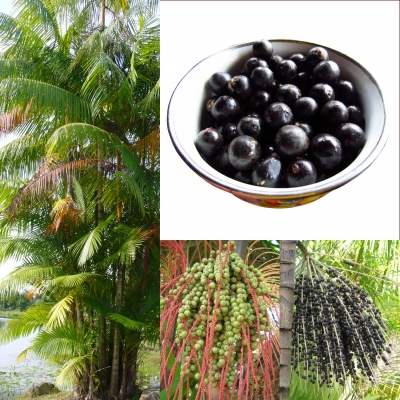
Euterpe oleracea
Açaí Palm
Açaí
₡3,00014 left
0
South AmericaZone 10-12Food
Habit
Evergreen Tree
Height
25.00 m
Growth Rate
Fast
Cultivation Status
Cultivated, Ornamental, Wild

Native range: S. America - Tropical Brazil extending north to Guyana, Venezuela and Trinidad.

A plant of the moist to wet tropics, where it is found at elevations up to 3,000 metres. It grows best in areas where annual daytime temperatures are within the range 22 - 28°c, but can tolerate 16 - 32°c. It can be killed by temperatures of 5°c or lower. It prefers a mean annual rainfall in the range 1,800 - 2,300mm, but tolerates 1,200 - 3,000mm. Prefers a position sheltered from the sun with plenty of moisture. Mature plants should be able to tolerate full sun, so long as there is plenty of humidity. Prefers a rich, moist, well-drained soil. Prefers a pH in the range 5 - 5.5, tolerating 4.5 - 6.5. A moderately robust species, it usually produces multiple stems (up to 12 stems) though sometimes it only has one stem with a few suppressed suckers at the base. A fast-growing plant. Plants usually flower throughout the year but the fruit harvesting season is for only 6 months of the year.

Planta de los trópicos húmedos a mojados, donde se encuentra en elevaciones de hasta 3.000 metros. Crece mejor en áreas donde las temperaturas diurnas anuales están en el rango de 22-28°C, pero puede tolerar 16-32°C. Puede ser dañada por temperaturas de 5°C o inferiores. Prefiere una precipitación anual media en el rango de 1.800-2.300 mm, pero tolera 1.200-3.000 mm. Prefiere una posición resguardada del sol con abundante humedad. Las plantas maduras deben tolerar el sol pleno, siempre que haya abundante humedad. Prefiere un suelo rico, húmedo y bien drenado. Prefiere un pH en el rango de 5-5,5, tolerando 4,5-6,5. Especie moderadamente robusta, generalmente produce múltiples tallos (hasta 12) aunque a veces tiene un solo tallo con algunos brotes suprimidos en la base. Planta de rápido crecimiento. Las plantas generalmente florecen durante todo el año, pero la temporada de cosecha de frutos es de solo 6 meses al año.

Fruit - raw or cooked. A thin, fibrous, fleshy pulp with little flavour. A very nutritious fruit, rich in antioxidants, it is often used to make a drink that is very popular in the Amazon region of Brazil. The juice is extracted from the small round fruit by soaking the seeds in water to soften the thin outer shell and then squeezing and straining them to produce a very tasty, dense purple liquid. This liquid is served ice cold with (or sometimes without) sugar and tapioca flour. It is a nourishing and refreshing drink that is also used to produce ice cream, liquor, mousses and sweets in general. The juice is also added to various foods such as tapioca, cassava and porridge. The purplish-black fruit is about 15 - 25mm in diameter, and is borne in huge clusters of up to 1,000 fruits. Leaves - cooked. Crunchy, with a sweet flavour. Said to resemble artichokes (Cynara scolymus). The unexpanded leaves and bud from the crown of the plant are used. Harvesting these leaves eventually kills the stem of the plant because it is unable to produce side shoots, although the plant can produce new stems from its base. An edible oil is obtained from the seed.

Fruto: crudo o cocido. Pulpa delgada, fibrosa y carnuda con poco sabor. Fruto muy nutritivo y rico en antioxidantes, se utiliza frecuentemente para hacer una bebida muy popular en la región amazónica de Brasil. El jugo se extrae del pequeño fruto redondo remojando las semillas en agua para suavizar la cáscara externa delgada, luego exprimiéndolas y colándolas para producir un líquido púrpura muy sabroso y denso. Este líquido se sirve bien frío con (o a veces sin) azúcar y harina de tapioca. Es una bebida nutritiva y refrescante que también se usa para producir helado, licor, mousses y dulces en general. El jugo también se añade a varios alimentos como tapioca, yuca y papilla. El fruto de color púrpura oscuro mide aproximadamente 15-25 mm de diámetro y se produce en enormes racimos de hasta 1.000 frutos. Hojas: cocidas. Crujientes, con sabor dulce. Se dice que se parecen a las alcachofas. Se utilizan las hojas sin expandir y el brote de la corona de la planta. La cosecha de estas hojas finalmente mata el tallo de la planta porque es incapaz de producir brotes laterales, aunque la planta puede producir nuevos tallos desde su base. Se obtiene un aceite comestible de la semilla.

A cold water infusion of the wood in the stem is used as an external wash for a contraceptive. The sap is styptic. It is used to treat haemorrhages, scorpion bites, and is used in the treatment of wounds and cuts. A decoction of the leaves is used in the treatment of fevers. An infusion of whole seedlings is used to treat shot wounds from hunting. The central bud, or heart, is roasted and applied topically to soothe the pain of scorpion stings;. The juice from the roasted bud should be drunk at the same time. Overeating of the heart or pith causes diarrhoea. The heart is dried, pulverised and then used in a plaster to cicatrize open cuts. The liquid extracted from the warm heart is patted on an open wound. The oil from the fruit is used in the treatment of diarrhoea. A tea made from the roots is used to treat jaundice and to strengthen the blood. A tea made from the seeds is used to treat fevers. The fruit is used in a savoury, violet-coloured beverage that is drunk as a refreshant. Phenols occur in the heart of palm.

Una infusión de agua fría de la madera del tallo se usa como lavado externo como anticonceptivo. La savia es estíptica. Se usa para tratar hemorragias, picaduras de escorpión, y se utiliza en el tratamiento de heridas y cortes. Una decocción de las hojas se usa en el tratamiento de la fiebre. Una infusión de plántulas enteras se usa para tratar heridas de proyectil de caza. El brote central, o corazón, se asa y se aplica tópicamente para aliviar el dolor de las picaduras de escorpión. El jugo del brote asado debe beberse al mismo tiempo. El consumo excesivo del corazón o médula causa diarrea. El corazón se seca, se pulveriza y luego se usa en un emplasto para cicatrizar heridas abiertas. El líquido extraído del corazón caliente se aplica con golpecitos en una herida abierta. El aceite del fruto se usa en el tratamiento de la diarrea. Un té hecho con las raíces se usa para tratar la ictericia y fortalecer la sangre. Un té hecho con las semillas se usa para tratar la fiebre. El fruto se usa en una bebida salada de color violeta que se bebe como refrescante. Los fenoles se encuentran en el corazón de la palma.

No data available for this section.

StrataHighLifecycleClimaxMaturity4-6 yearsLifespan80-100 yearsFunctionFoodSpacing5-10 m

Asteraceae

2 plants
Asteraceae
Tagetes lucida
Mexican Tarragon
Pericón
2 left
0
North AmericaZone 8-11Food
Habit
Perennial
Height
0.80 m
Pollinators
Insects
Cultivation Status
Ornamental, Wild

Native range: Southern N. America - Mexico, through C. America to Honduras

Tagetes lucida is found mainly in subtropical climates and is not very cold tolerant, There are forms that will tolerate temperatures occasionally falling to around -5°c for short periods, but will not usually survive an average winter in the temperate zone unless given some protection. Requires a well-drained moderately fertile soil in a sunny position. Grows well in heavy clay soils and in sandy soils. A very ornamental plant, there are some named varieties. 'Huichol' is a traditional clone used by the Huichol Indians that grows at an elevation of 1500 - 1800m in Mexico. The blooms are amongst the most sweetly-scented of all flowers. Removing dead flowers before the seed is formed will extend the flowering season. Plants are prone to slugs, snails and botrytis. Grows well with tomatoes.

Tagetes lucida se encuentra principalmente en climas subtropicales y no es muy tolerante al frío. Hay formas que toleran temperaturas ocasionalmente alrededor de -5°C durante cortos períodos, pero generalmente no sobreviven un invierno promedio en la zona templada sin protección. Requiere un suelo bien drenado moderadamente fértil en posición soleada. Crece bien en suelos arcillosos pesados y arenosos. Planta muy ornamental con algunas variedades nombradas. 'Huichol' es un clon tradicional utilizado por los indios Huichol que crece a una elevación de 1500-1800m en México. Las flores tienen uno de los aromas más dulces de todas las flores. Eliminar las flores marchitas antes de la formación de semillas prolongará la floración. Las plantas son propensas a babosas, caracoles y botrytis. Crece bien con tomates.

The leaves are dried and ground into a powder then used as a tarragon substitute for flavouring soups, sauces etc. They have an anise-like flavour. The leaves were an important flavouring of 'chocolatl', the foaming cocoa-based drink of the Aztecs. The dried leaves and flowering tops are brewed into a pleasant anise-flavoured tea. This is a very popular drink in Latin America. The petals are used as a condiment.

Las hojas se secan y se muelen en polvo para usar como sustituto del estrágón en sopas, salsas, etc. Tienen un sabor similar al anís. Las hojas fueron un saborizante importante del 'chocolatl', la bebida espumosa a base de cacao de los aztecas. Las hojas secas y las flores se preparan en infusión como un agradable té con sabor a anís. Esta es una bebida muy popular en América Latina. Los pétalos se utilizan como condimento.

The leaves and whole plant are digestive, diuretic, febrifuge, hypotensive, narcotic, sedative and stimulant. Use of the plant depresses the central nervous system, whilst it is also reputedly anaesthetic and hallucinogenic. It is used internally in the treatment of diarrhoea, nausea, indigestion, colic, hiccups, malaria and feverish illnesses. Externally, it is used to treat scorpion bites and to remove ticks. The leaves can be harvested and used as required, whilst the whole plant is harvested when in flower and dried for later use.

Las hojas y la planta completa son digestivas, diuréticas, febrífugas, hipotensoras, narcóticas, sedantes y estimulantes. El uso de la planta deprime el sistema nervioso central, y se considera también anestésica y alucinógena. Se usa internamente para tratar diarrea, náuseas, indigestión, cólicos, hipo, malaria y enfermedades febriles. Externamente se usa para tratar picaduras de escorpión y para eliminar garrapatas. Las hojas se pueden cosechar y usar según sea necesario, mientras que la planta completa se cosecha en floración y se seca para uso posterior.

Secretions from the roots of growing plants have an insecticidal effect on the soil, effective against nematodes and to some extent against keeled slugs, they also have an effect against some persistent weeds such as couch grass. These secretions are produced about 3 - 4 months after sowing. The growing plant also has a repellent effect on various insect pests such as the asparagus beetle and bean weevils.
Las secreciones de las raíces de plantas en crecimiento tienen efecto insecticida en el suelo, efectivo contra nematodos y en cierta medida contra babosas, también tienen efecto contra algunas malezas persistentes como el agropiro. Estas secreciones se producen aproximadamente 3-4 meses después de la siembra. La planta en crecimiento también tiene efecto repelente sobre varios insectos plagas como el escarabajo del espárrago y los gorgojos del frijol.

StrataMediumLifecyclePlacenta 2Maturity3-4 monthsLifespan5-10 yearsFunctionFoodSpacing30-50 cm
Asteraceae
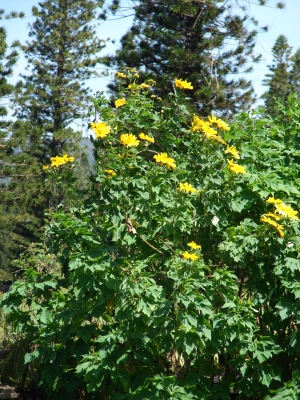
Tithonia diversifolia
Mexican Sunflower
Tithonia
₡1,000Enquire
0
Central AmericaZone 9-11Support
Habit
Annual/Perennial
Height
3.00 m
Pollinators
Insects
Cultivation Status
Cultivated, Ornamental, Wild

Native range: C. America - Panama, Costa Rica, Nicaragua, El Salvador, Honduras, Belize, Guatemala, Mexico.

A plant of the tropics and subtropics, it can also be grown as a summer annual in temperate areas. It the tropics it can be found at elevations from 200 - 2,300 metres. It grows best in areas where annual daytime temperatures are within the range 15 - 31°c, but can tolerate 12 - 38°c. It prefers a mean annual rainfall in the range 1,000 - 2,000mm, but tolerates 700 - 2,500mm. Succeeds in any well-drained, moderately fertile soil in a sunny position. Plants are moderately drought-resistant. Commonly grown as an ornamental, the plant has escaped from cultivation and become a weed in many areas of the tropics and subtropics. The plant can flower and produce seed all year round.

Planta de los trópicos y subtrópicos, también puede cultivarse como anual de verano en áreas templadas. En los trópicos se encuentra en elevaciones de 200 - 2,300 metros. Crece mejor en áreas donde las temperaturas diurnas anuales están entre 15 - 31°C, pero tolera 12 - 38°C. Prefiere una precipitación anual media entre 1,000 - 2,000 mm, pero tolera 700 - 2,500 mm. Prospera en cualquier suelo bien drenado y moderadamente fértil en posición soleada. Las plantas son moderadamente resistentes a la sequía. Comúnmente cultivada como ornamental, la planta se ha escapado del cultivo y se ha convertido en maleza en muchas áreas de los trópicos y subtrópicos. La planta puede florecer y producir semillas durante todo el año.

None known

Various studies have been carried out into the medicinal properties of this plant:- A methanol extract of the dried leaves reduced pain levels and inhibited oedema and granuloma, confirming the plants traditional use in the treatment of painful inflammatory conditions. The leaves contain sesquiterpene lactones, including tagitinin ,which possess insecticidal properties. A study showed it possessed antimicrobial activity, active against both gram-positive and gram-negative bacteria, suggesting that the leaves can be used in treating gastrointestinal infections, skin diseases and urinary tract infections. An 80% ethanol extract of the leaves showed reduction of blood glucose levels 3 weeks after a single oral dose, also significantly lowering plasma insulin, decreasing blood glucose in an insulin tolerance test. The results suggest it may be useful in the treatment of type2 diabetes. Aqueous and methanolic extracts of the plant had 50% and 74% clearing of malarial parasites respectively, compared to 100% for chloroquine. It was more effective when administered at the onset of the infection, suggesting a time-dependency of the anti-malarial effects. A 70% methanol extract showed a dose- and time-dependent toxic effect on the kidney and liver toxicity. Although reversible, it raises concern over the safety of the use of the plant extract against malaria. The leaves contain a bitter essential oil. A decoction of the leaves is sometimes used in the treatment of malaria. An infusion of leaves is used in the treatment of constipation, stomach pains, indigestion, sore throat and liver pains. The leaves should be ground into small pieces, mixed with water, and then drunk Leaf extracts are used externally for the treatment of wounds and haematomas.

Se han realizado diversos estudios sobre las propiedades medicinales de esta planta: Un extracto de metanol de las hojas secas redujo los niveles de dolor e inhibió el edema y granuloma, confirmando el uso tradicional de la planta en el tratamiento de condiciones inflamatorias dolorosas. Las hojas contienen lactonas de sesquiterpeno, incluida la tagitinina, que poseen propiedades insecticidas. Un estudio demostró actividad antimicrobiana, activa contra bacterias grampositivas y gramnegativas, sugiriendo que las hojas pueden usarse en el tratamiento de infecciones gastrointestinales, enfermedades de la piel e infecciones del tracto urinario. Un extracto de etanol al 80% de las hojas mostró reducción de los niveles de glucosa en sangre 3 semanas después de una dosis oral única, disminuyendo también significativamente la insulina plasmática y reduciendo la glucosa en sangre en una prueba de tolerancia a la insulina. Los resultados sugieren que puede ser útil en el tratamiento de diabetes tipo 2. Los extractos acuosos y metanólicos de la planta aclararon el 50% y 74% de parásitos de malaria respectivamente, comparado con el 100% de la cloroquina. Fue más efectivo cuando se administró al inicio de la infección, sugiriendo una dependencia temporal de los efectos antipalúdicos. Un extracto de metanol al 70% mostró un efecto tóxico dependiente de dosis y tiempo en riñones e hígado. Aunque reversible, esto plantea preocupaciones sobre la seguridad del uso del extracto de la planta contra la malaria. Las hojas contienen un aceite esencial amargo. Una decocción de las hojas se usa a veces en el tratamiento de la malaria. Una infusión de hojas se usa en el tratamiento del estreñimiento, dolores estomacales, indigestión, dolor de garganta y dolores hepáticos. Las hojas deben molerse en pequeños trozos, mezclarse con agua y luego beberse. Los extractos de hojas se usan externamente para el tratamiento de heridas y hematomas.

The plant is used for soil improvement and has a positive effect on crop yields. Yields of maize, kale, French beans, tomatoes and Napier grass all increased when they were planted with this species Planted as a living fence.

La planta se usa para la mejora del suelo y tiene un efecto positivo en los rendimientos de cultivos. Los rendimientos de maíz, kale, judías verdes, tomates y pasto Napier aumentaron cuando se plantaron con esta especie. Se planta como cerca viva.

StrataHighLifecycleSecondary 1Maturity4-6 monthsLifespan1-3 yearsFunctionSupportSpacing50 cm - 2 m

Basellaceae

1 plant
Basellaceae
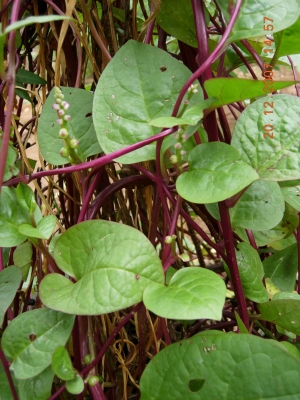
Basella alba
Malabar Spinach
Espinaca Malabar
₡2,0008 left
0
South AsiaZone 9-11Food
Habit
Perennial Climber
Height
6.00 m
Growth Rate
Fast
Cultivation Status
Cultivated, Ornamental, Wild

Native range: A widely cultivated plant, its original range uncertain but was possibly Africa.

Basella alba is a plant of the moist tropics, where it is found at elevations up to 1,500 metres. It grows best in areas where annual daytime temperatures are within the range 23 - 27°c, but can tolerate 10 - 35°c. It is not tolerant of frost. It prefers a mean annual rainfall in the range 2,000 - 2,500mm, but tolerates 700 - 4,200mm. It requires a minimum daytime temperature of 15°c if it is to keep growing vigorously. It tolerates low light levels plus night temperatures occasionally falling below 10°c. Best growth is produced in a well-drained moisture-retentive soil rich in organic matter and a warm sunny sheltered position. Plants produce larger, more succulent leaves when grown in light shade. Prefers a sandy loam, but it is well adapted to a range of soils and climates. Tolerates fairly poor soils but does much better in rich soils. Tolerates high rainfall. Prefers a pH in the range 5.5 - 7 but can tolerate 4.3 - 7.5. A fast growing insect and disease resistant plant, it is capable of producing a crop within 70 days from seed in a warm climate. Plants do not flower if the length of daylight is more than 13 hours per day. A vigorous, fast-growing plant, when established it can be harvested every week or so by removing young shoots 7 - 13cm long. In addition to keeping the plant within bounds, this encourages the production of side shoots and thus more stems to harvest. A short-term crop yields up to 40 tonnes per hectare in 75 days; for long-term crops, yields are very variable, up to 1.5 kg of shoots or leaves per plant or 80 tonnes in 180 days. Yields of 20 - 50 tonnes per month of cultivation have been reported. This species photosynthesizes by a more efficient method than most plants. Called the 'C4 carbon-fixation pathway', this process is particularly efficient at high temperatures, in bright sunlight and under dry conditions.

Basella alba es una planta de los trópicos húmedos, encontrada en elevaciones hasta 1,500 metros. Crece mejor en áreas donde las temperaturas diurnas anuales están entre 23-27°c, pero tolera 10-35°c. No tolera heladas. Prefiere una precipitación anual media de 2,000-2,500mm, pero tolera 700-4,200mm. Requiere una temperatura mínima diurna de 15°c para crecer vigorosamente. Tolera bajos niveles de luz y temperaturas nocturnas ocasionalmente por debajo de 10°c. El mejor crecimiento se produce en suelo bien drenado, que retiene humedad y es rico en materia orgánica, en una posición cálida, soleada y protegida. Las plantas producen hojas más grandes y suculentas cuando se cultivan en semisombra. Prefiere franco arenoso, pero se adapta bien a diversos suelos y climas. Tolera suelos bastante pobres pero crece mucho mejor en suelos ricos. Tolera lluvia abundante. Prefiere pH 5.5-7 pero tolera 4.3-7.5. Planta de rápido crecimiento, resistente a insectos y enfermedades, capaz de producir cosecha en 70 días desde semilla en clima cálido. Las plantas no florecen si la duración diaria de luz es superior a 13 horas. Vigorosa y de rápido crecimiento, una vez establecida puede cosecharse semanalmente removiendo brotes jóvenes de 7-13cm. Además de controlar el tamaño, esto estimula brotes laterales y más tallos para cosechar. Cultivos a corto plazo producen hasta 40 toneladas por hectárea en 75 días; cultivos a largo plazo con rendimientos muy variables, hasta 1.5kg de brotes u hojas por planta u 80 toneladas en 180 días. Se han reportado rendimientos de 20-50 toneladas mensuales. Esta especie fotosintentiza mediante la ruta C4, particularmente eficiente a altas temperaturas, luz solar intensa y condiciones secas.

Leaves and stem tips - raw or cooked. A pleasant mild spinach flavour, the leaves can be used as a spinach or added to salads. Do not overcook the leaves or they will become slimy. The mucilaginous qualities of the plant make it an excellent thickening agent in soups, stews etc where it can be used as a substitute for okra, Abelmoschatus esculentus. The leaves are a good source of vitamins A and C, iron and calcium, a nutritional analysis is available. An infusion of the leaves is a tea substitute. The purplish sap from the fruit is used as a food colouring in pastries and sweets. The colour is enhanced by adding some lemon juice.

Hojas y puntas de tallos - crudas o cocidas. Con sabor suave y agradable similar a la espinaca, las hojas pueden usarse como espinaca o añadirse a ensaladas. No cocinar demasiado o se volverán viscosas. Las cualidades mucilaginosas hacen excelente agente espesante en sopas y guisos, sustituyendo okra. Excelente fuente de vitaminas A y C, hierro y calcio. Infusión de hojas como sustituto de té. El jugo púrpura del fruto se usa como colorante alimentario en pasteles y dulces, intensificado con jugo de limón.

The roots are astringent. They are cooked and used in the treatment of diarrhoea. A paste of the root is applied to swellings and is also used as a rubefacient. The leaves and stems are cooked and eaten for their laxative properties. The leaf juice is a demulcent, used in cases of dysentery. It is also diuretic, febrifuge and laxative. The leaf juice is used in Nepal to treat catarrh. A paste of the leaves is applied externally to treat boils and sores. The flowers are used as an antidote to poisons. The plant is febrifuge, its juice is a safe aperient for pregnant women and a decoction has been used to alleviate labour. The red juice of the fruit is used as eye drops to treat conjunctivitis.

Las raíces son astringentes, cocidas se usan contra diarrea. Pasta de raíz aplicada a hinchazones y como rubefaciente. Hojas y tallos cocidos por propiedades laxantes. Jugo de hoja es demulcente para disentería, diurético, febrífugo y laxante. En Nepal se usa para catarro. Pasta de hojas aplicada externamente en heridas y forúnculos. Flores como antídoto para venenos. Planta febrífuga, jugo seguro como aperitivo para embarazadas, decocción alivia el parto. Jugo rojo del fruto en gotas oftálmicas para conjuntivitis.

The plant can be grown on living stakes, usually on a fence or on a hedge.

La planta puede cultivarse en estacas vivas, generalmente en cercas o setos.

📚 Porvenir Design DB
StrataHighLifecyclePlacenta 2Maturity3-4 monthsLifespan3-5 yearsFunctionFoodSpacing20-100 cm

Bignoniaceae

1 plant
Bignoniaceae
Mansoa alliacea
Garlic Vine
Ajo Sacha
₡3,000In stock
0
South AmericaZone 10-11Food
Habit
Evergreen Climber
Height
2.50 m
Cultivation Status
Ornamental, Wild

Native range: S. America - Brazil and Peru, north to Costa Rica.

A plant of the tropical rainforests. Prefers a moisture-retentive, humus-rich soil. The crushed foliage smells strongly of garlic.

Planta de las selvas tropicales húmedas. Prefiere suelos ricos en humus que retengan la humedad. El follaje machacado tiene un fuerte olor a ajo.

The leaves and stems are used as a condiment or spice for their garlic flavour and odour. The bark and dried leaves are used as a seasoning that is added to salt meals.

Las hojas y tallos se utilizan como condimento o especia por su sabor y olor a ajo. La corteza y hojas secas se usan como sazonador que se añade a comidas saladas.

Bejuco de Ajo is a widely used herb with a high reputation among many of the indigenous peoples of the Amazon. Almost all parts of the plant are utilized in the treatment of a range of conditions. The plant is considered to be 'magical' or 'spiritual' and bunches of the leaves are suspended around the home for good luck or in order to drive away evil spirits. The leaves are burned as smudge over people or in houses to 'cleanse the spirit' or to bring good luck, and the plant is sometimes also used as an adjuvant in ayahuasca potions. The plant has also become a popular treatment in modern herbal medicine in S. America, where it is considered to be anodyne, antibacterial, anticholesterolemic, antifungal, antiinflammatory, antioxidant, antirheumatic, antispasmodic, antitussive, antiviral and febrifuge. It has also been recommended as a vermifuge. It is widely used for treating conditions such as arthritis, rheumatism, body aches and pain, and muscle aches, injuries and pain. A decoction of the bark is used to treat abdominal pain and intestinal parasites. Combined with the leaves, it is used to treat fevers. The bark is used as a poultice on bumps, swellings and inflammatory conditions of the skin. The leaves are used in the treatment of colds and as an aid to fertility. Mashed, the leaves are applied as a poultice on areas of rheumatic pain.They are commonly added to baths in order to treat feverish conditions, flu, body aches, cramps and fatigue. Both the bark (in an infusion) or the leaves (in a decoction) are used as a treatment for rheumatism, arthritis, colds, uterine disorders, inflammation and epilepsy. The root is prepared in a cane alcohol tincture as an overall regenerative whole body tonic. The plant contains a number of medically active compounds. These include several of the main sulphur compounds that garlic contains, including aliin and allyl sulphides.. It is these compounds which are responsible for the garlic-like odour and taste. These compounds are known to lower blood-cholesterol levels and inhibit absorption of cholesterol in the intestines. The wood of the vine is reported to contain two lapachone chemicals which are well known plant chemicals of the Bignoniaceae family and documented with anticancer and antimicrobial actions. The leaves and/or flowers contain the known anti-inflammatory and antibacterial plant steroids beta sitosterol, stigmasterol, daucosterol, and fucosterol. A water extract of the leaves has been shown to have an antioxidant effect which has been attributed to the anthocyanin compounds found in the plant. Research has confirmed the plant’s long standing use for treating arthritis and rheumatism, reporting that the plant is capable of inhibiting COX (an enzyme required in the inflammatory process). The plant has also been reported with antimicrobial actions against fungi, plant viruses, and bacteria, which may help explain its long standing use for colds, flu, pneumonia and other upper respiratory infections.

Bejuco de Ajo es una hierba ampliamente utilizada con gran reputación entre muchos pueblos indígenas del Amazonas. Casi todas las partes de la planta se utilizan para tratar una variedad de condiciones. La planta es considerada 'mágica' o 'espiritual' y manojos de hojas se cuelgan en las casas para buena suerte o para alejar espíritus malignos. Las hojas se queman como sahumerio sobre personas o en casas para 'limpiar el espíritu' o traer buena suerte, y la planta se usa también como adyuvante en pociones de ayahuasca. Ha sido una medicina herbal popular en América del Sur, donde se considera anodina, antibacteriana, anticolesterolímica, antifúngica, antiinflamatoria, antioxidante, antirreumática, antiespasmódica, antitusiva, antiviral y febrífuga. También se ha recomendado como vermífugo. Se usa ampliamente para artritis, reumatismo, dolores corporales, dolores musculares, lesiones y traumatismos. Una decocción de la corteza trata el dolor abdominal y parásitos intestinales. Combinada con las hojas, se usa para tratar fiebres. La corteza se aplica como cataplasma en golpes, inflamaciones y condiciones inflamatorias de la piel. Las hojas se usan para resfriados y como ayuda a la fertilidad. Machacadas, se aplican como cataplasma en áreas de dolor reumático. Se añaden comúnmente a baños para tratar condiciones febriles, gripe, dolores corporales, calambres y fatiga. La corteza en infusión u hojas en decocción se usan para reumatismo, artritis, resfriados, desórdenes uterinos, inflamación y epilepsia. La raíz se prepara en tintura de alcohol de caña como tónico regenerativo para todo el cuerpo. La planta contiene varios compuestos activos medicinales, incluyendo compuestos de azufre que también contiene el ajo, como alicina y sulfuros alilo. Estos compuestos son responsables del olor y sabor a ajo, conocidos por reducir colesterol y inhibir su absorción intestinal. La madera de la vid contiene dos químicos lapachona con acciones anticáncer y antimicrobianas. Las hojas y flores contienen esteroles vegetales antiinflamatorios y antibacterianos como beta sitosterol, estigmasterol, daucosterol y fucosterol. Un extracto acuoso de las hojas muestra efecto antioxidante atribuido a antocianinas. Investigaciones confirman su uso tradicional para artritis y reumatismo, reportando que inhibye COX, enzima requerida en procesos inflamatorios. También reporta acciones antimicrobianas contra hongos, virus de plantas y bacterias, explicando su uso para resfriados, gripe, neumonía e infecciones respiratorias.

This plant is being tested as a method of controlling shoot borers (Hypsipyla sp.) when planted in association with timber species such as Cedrela and Swietenia.

Esta planta se está probando como método de control de barrenadores de brotes (Hypsipyla sp.) cuando se cultiva en asociación con especies maderables como Cedrela y Swietenia.

📚 Porvenir Design DB
StrataMediumLifecycleSecondary 2Maturity3-4 monthsLifespan10-20 yearsFunctionFoodSpacing1-2 m

Bixaceae

1 plant
Bixaceae
Bixa orellana
Annatto
Achiote
₡2,5009 left
0
Central AmericaZone 10-12Food
Habit
Evergreen Tree
Height
5.00 m
Growth Rate
Fast
Pollinators
Bees
Cultivation Status
Cultivated, Ornamental, Wild

Native range: S. America - Argentina, Paraguay, Brazil, Bolivia, Peru, Ecuador, Colombia, Venezuela, the Guyanas; C. America - Panama to Mexico.

Annatto requires a frost-free, warm, humid climate. It can grow at elevations from sea level up to 2,200 metres in tropical to subtropical climates where a mean annual rainfall of 2,500 - 5,000mm is distributed throughout the year. It can withstand droughts of up to 4 months, but thrives best with well distributed rainfall and a dry season for seed ripening. It prefers a mean annual temperature in the range 28 - 32°c, with a mean maximum temperature of 22 - 27°c and a mean minimum temperature of 18 - 26°c. An easily grown plant, it succeeds on almost all soil types, preferring a moist, but well-drained neutral or slightly alkaline soil in a sunny position. Prefers a slightly acid soil according to another report. Prefers a pH in the range 5.5 - 7.5, tolerating 4.5 - 8.5. It grows into a larger tree when planted in deeper and more fertile soil, rich in organic matte. Plants commence fruiting when quite young. Trees can commence bearing fruit when only 2 years old. Seed-grown plants take longer to flower than vegetatively propagated ones, and do so sparingly. Under favourable conditions, fruiting commences 18 months from planting or earlier, and full crops of seeds are obtained after 3 - 4 years. Seed yields reach their peak when the trees are 4 - 5 years of age, usually a decline become evident around 12 years, but productivity can continue for up to 20 years. Seed yields from 0.5 - 5 tonnes/ha per year have been reported, but usually yields are between 800 - 1,500 kg/ha. 20 - 50g of dye can be obtained from 1 kilo of seed. In Puerto Rico and the Virgin Islands, flowering occurs mainly in spring and fruiting chiefly in the summer. In some areas the tree can produce flushes of fruits at several times through the year.

El achiote requiere un clima cálido, libre de heladas y húmedo. Crece desde el nivel del mar hasta 2,200 metros en climas tropicales a subtropicales con precipitación anual media de 2,500-5,000 mm distribuida durante todo el año. Tolera sequías de hasta 4 meses, pero prospera mejor con lluvia bien distribuida y una estación seca para la maduración de semillas. Prefiere temperatura media anual de 28-32°C, máxima media de 22-27°C y mínima media de 18-26°C. Planta de fácil cultivo, se adapta a casi todos los tipos de suelo, preferindo suelo húmedo pero bien drenado, neutro o ligeramente alcalino, en posición soleada. Tolera pH entre 5,5-7,5, soportando 4,5-8,5. Desarrolla árboles más grandes en suelos profundos y fértiles, ricos en materia orgánica. Los árboles comienzan a producir frutos a los 2 años. Las plantas de semilla tardan más en florecer que las propagadas vegetativamente y lo hacen escasamente. En condiciones favorables, la fructificación comienza a los 18 meses o antes, obteniéndose cosechas completas después de 3-4 años. Los rendimientos máximos ocurren a los 4-5 años, generalmente con declive alrededor de los 12 años, pero la productividad puede extenderse hasta 20 años. Rendimientos de 0,5-5 toneladas/ha anuales, aunque usualmente entre 800-1,500 kg/ha. Se obtienen 20-50g de colorante de 1 kg de semilla.

The seeds are relatively tasteless. They are briefly steeped in hot oil which is then strained and cooled to be used as a flavouring in various dishes. The whole seeds can be ground into a paste with various other spices, which gives a more pronounced flavour. The seeds have a high nutritive value, containing a small amount of fatty oil (5%) and about 13% of protein. The ground seed is red and this can be used to colour foods. A yellow colour is obtained from the seed coat, and this is widely used as a colouring in margarines etc in the food industry. It is a harmless, non-carcinogenic dye.

Las semillas son relativamente insípidas. Se sumergen brevemente en aceite caliente que luego se cuela y enfría para usarse como saborizante en varios platos. Las semillas enteras pueden molerse en pasta con diversas especias, proporcionando sabor más pronunciado. Las semillas tienen alto valor nutritivo, contienen pequeña cantidad de aceite graso (5%) y aproximadamente 13% de proteína. La semilla molida es roja y puede usarse para colorear alimentos. Se obtiene color amarillo de la cubierta seminal, ampliamente utilizado en margarinas y la industria alimentaria. Es un colorante inocuo y no carcinogénico.

The medical properties of annatto are poorly understood, but it is a bitter, astringent, purgative herb that reputedly destroys intestinal worms, lowers fever, improves digestion and has expectorant effects. A decoction of the leaves is used as a treatment for dysentery, and to reduce vomiting during pregnancy. The leaves are applied to the head and to sprains to relieve aches. A decoction is gargled as a cure for mouth and throat infections. The leaves may also be used in baths as an antiinflammatory, and to relieve muscular aches, fevers, colic or to get rid of worms in children. The fresh shoots are steeped in water, which is then used as a eyewash for inflamed eyes. The leaves can be picked as required and used fresh or dried. The sap from the leaf petiole is soaked in hot water with rum, then used to remove secretions from encrusted eyelids as a treatment for blepharitis. Young shoots are applied locally as a poultice on abscesses. The roots are digestive and diuretic. A decoction is taken orally to control asthma. An infusion of the root in water and rum is used to treat venereal diseases. A tea made from the root is used to treat oliguria and jaundice. The seeds are used as an aphrodisiac, emmenagogue, expectorant and vermifuge. They are used to treat asthma and nasal cavity problems. A macerated seed decoction is taken orally for the relief of fevers. In a syrup, they are used in the treatment of pharyngitis and bronchitis. The ground seeds are applied to burns in order to prevent blistering and scarring. The seeds are harvested as the fruits split open, and can be dried for later use. They can also be soaked in hot water - the resulting sediment is pressed into cakes for use in medicines and dyes. The pulp surrounding the seed is made into an astringent drink used to treat cancer, dysentery and kidney infections. The fruit pulp is used as a rub on the skin to prevent sores, probably from sunburn. The dye obtained from the seed coat is used as an antidote for prussic acid poisoning caused by eating poorly treated Manihot esculenta. Sap from the bark and crushed leaves is used as a treatment for skin rashes. A decoction of the bark is used as a treatment for malaria; angina and asthma. The leaves contain cyanidine and ellagic acid.

Las propiedades medicinales del achiote son poco conocidas, pero es una hierba amarga, astringente y purgante que supuestamente destruye parásitos intestinales, reduce fiebre, mejora la digestión y tiene efectos expectorantes. Una decocción de hojas trata la disentería y reduce vómitos durante el embarazo. Las hojas se aplican en la cabeza y esguinces para aliviar dolores. Se gargariza una decocción para infecciones de boca y garganta. Las hojas se usan en baños como antiinflamatorio y para aliviar dolores musculares, fiebres, cólicos o eliminar parásitos en niños. Los brotes frescos se sumergen en agua como colirio para ojos inflamados. La savia del pecíolo foliar se remoja en agua caliente con ron para limpiar párpados con costras. Los brotes jóvenes se aplican localmente como cataplasma en abscesos. Las raíces son digestivas y diuréticas, su decocción se toma oralmente para controlar asma. Las semillas se usan como afrodisíaco, emenagogo, expectorante y vermífugo, para tratar asma y problemas nasales. La decocción de semillas maceradas se toma para aliviar fiebres. En jarabe se usan para faringitis y bronquitis. Las semillas molidas se aplican en quemaduras para prevenir ampollas y cicatrices. La pulpa se convierte en bebida astringente para tratar cáncer, disentería e infecciones renales. Se usa como fricciones para prevenir úlceras. El colorante se usa como antídoto para envenenamiento por ácido prúsico. La savia de la corteza trata erupciones cutáneas. Una decocción de corteza trata malaria, angina y asma.

The plant is amenable to pruning and can be grown as a hedge. Plants are tolerant of hard trimming.

La planta tolera bien la poda y puede cultivarse como seto. Las plantas toleran poda drástica.

StrataMediumLifecycleSecondary 2Maturity3-4 yearsLifespan20-30 yearsFunctionFoodSpacing2-4 m

Cactaceae

3 plants
Cactaceae
Epiphyllum oxypetalum
Queen of the Night
Reina de la noche
No photo available
₡2,500In stock
0
Support
Habit
Evergreen Shrub
Height
3.00 m
Pollinators
Bats, Moths
Cultivation Status
Ornamental, Wild

Native range: C. America - Nicaragua, Honduras, El Salvador, Belize, Guatemala north to southern Mexico

Epiphyllum oxypetalum is a warm climate species, widely cultivated in tropical and subtropical areas at elevations from 75 - 2,000 metres. It is not tolerant of frosts. The plant is epiphytic or lithophytic. It grows well in full sun or light afternoon shade. It requires a compost rich in oganic matter and adequate moisture during the dry months. The plant requires shade during the hottest part of the day, a humus rich, free-draining soil and a pH below 6. The plant has escaped from cultivation and become naturalized in many parts of the world. The flowers open of a night time and are sweetly scented.

Epiphyllum oxypetalum es una especie de clima cálido, ampliamente cultivada en áreas tropicales y subtropicales a elevaciones de 75 - 2,000 metros. No tolera las heladas. La planta es epífita o litófita. Crece bien a pleno sol o con sombra ligera por la tarde. Requiere un sustrato rico en materia orgánica y humedad adecuada durante los meses secos. La planta necesita sombra durante las horas más calurosas del día, suelo rico en humus, bien drenado y con pH inferior a 6. Se ha escapado del cultivo y se ha naturalizado en muchas partes del mundo. Las flores se abren durante la noche y tienen un aroma dulce.

The flower is rich in mucilage. It is often eaten in a vegetable soup. The purplish red, oblong fruits are edible but rarely produced, They can be up to 16cm long and 5.7cm wide.

La flor es rica en mucílago. A menudo se consume en sopa de verduras. Los frutos oblongos de color rojo púrpura son comestibles pero raramente se producen. Pueden medir hasta 16 cm de largo y 5,7 cm de ancho.

It is a common practice in Guatemala to bind the tough, wide stems of the various Epiphyllum species around fractures. They act as efficient bandages, hold the broken parts in place, and are popularly believed to aid in healing them. Epiphyllum oxypetalum is used in homeopathy and is also recommended as a treatment for urinary tract infections, for heart conditions such as the crushing pain of angina and for spasmodic pain and haemorrhage. In folk medicine, the plant has been used to treat the spitting up of blood sputum and heavy or painful menstrual periods. The juice of the plant has been used as a treatment for bladder infections, shortness of breath and water retention. Applied externally, it has been used as a treatment for rheumatism. It is also assumed to be an aphrodisiac. The main essential oils in the flowers are benzyl salicylate and methyl linoleate. The leaves contain saponins, phenolic compounds, steroids, glycosides, tannins, terpenoids and resins, while reducing sugars, alkaloids, flavonoids, sterols, phlobatanins and acidic compounds were absent. The leaves were found to have 14 mg/g protein, 4.6 mg/g lipids and 0.19 mg/g niacin dry basis. Both acetone and petroleum ether leaf extracts have shown inhibitory activity against Escherichia coli and Staphylococcus aureus; the acetone extract was also active against Klebsiella pneumonia, while the petroleum ether leaf extract was active against Bacillus subtilis. All the leaf extracts were found to be ineffective against fungi (Aspergillus niger, Aspergillus terreus, Aspergillus oryzae and Rhizopus oryzae) tested. Epiphyllum oxypetalum extract was found to have a moisturizing effect on the skin. The extract increased ATP content, cell propagating activity and the yield of natural moisturizing factor in the epidermal cells.

Es una práctica común en Guatemala envolver los tallos anchos y resistentes de varias especies de Epiphyllum alrededor de fracturas. Actúan como vendajes eficientes, mantienen los huesos rotos en su lugar y se cree popularmente que ayudan en su curación. Epiphyllum oxypetalum se utiliza en homeopatía y también se recomienda como tratamiento para infecciones del tracto urinario, condiciones cardíacas como el dolor aplastante de la angina, dolor espasmódico y hemorragia. En medicina folclórica, la planta se ha utilizado para tratar la expectoración de sangre y períodos menstruales abundantes o dolorosos. El jugo de la planta se ha utilizado para tratar infecciones de vejiga, dificultad para respirar y retención de agua. Aplicada externamente, se ha utilizado para tratar el reumatismo. También se asume que es un afrodisíaco. Los aceites esenciales principales en las flores son salicilato de bencilo y linoleato de metilo. Las hojas contienen saponinas, compuestos fenólicos, esteroides, glucósidos, taninos, terpenoides y resinas, mientras que azúcares reductores, alcaloides, flavonoides, esteroles, flobataninos y compuestos ácidos estuvieron ausentes. Se encontró que las hojas tienen 14 mg/g de proteína, 4,6 mg/g de lípidos y 0,19 mg/g de niacina en base seca. Los extractos de hojas en acetona y éter de petróleo mostraron actividad inhibidora contra Escherichia coli y Staphylococcus aureus; el extracto de acetona también fue activo contra Klebsiella pneumonia, mientras que el extracto de éter de petróleo fue activo contra Bacillus subtilis. Se encontró que todos los extractos de hojas fueron ineficaces contra los hongos probados (Aspergillus niger, Aspergillus terreus, Aspergillus oryzae y Rhizopus oryzae). El extracto de Epiphyllum oxypetalum mostró un efecto humectante en la piel. El extracto aumentó el contenido de ATP, la actividad de propagación celular y el rendimiento del factor natural humectante en las células epidérmicas.

No data available for this section.
Ornamental only
Cactaceae
Opuntia ficus-indica
Prickly Pear
Nopal
₡3,500In stock
0
Central AmericaZone 8-11Food
Habit
Evergreen Shrub
Height
5.00 m
Pollinators
Bees, Insects
Cultivation Status
Cultivated, Ornamental, Wild

Native range: Original habitat is obscure, possibly Mexico.

Opuntia ficus-indica is a plant of the cool, semi-arid tropics and subtropics, where it can be found at elevations up to 2,600 metres, it can also be grown in warm temperate areas, especially those with a Mediterranean-type climate. Requires a sandy or very well-drained soil). , 3 Title Growing Unusual Fruit. Publication Author Simmons. A. E. Publisher David & Charles; Newton Abbot. Year 1972 ISBN 0-7153-5531-7 Description A very readable book with information on about 100 species that can be grown in Britain (some in greenhouses) and details on how to grow and use them. ]. Prefers a pH in the range 7 to 7.5, tolerating 6.5 - 8.2. Plants must be kept fairly dry in the winter but they like a reasonable supply of water in the growing season. A position at the base of a south-facing wall or somewhere that can be protected from winter rain is best for this plant. Requires warmth and plenty of sun. Plants tolerate considerable neglect. The plant is widely grown from the warm temperate to the tropical zones and has often escaped from cultivation. It has become an invasive weed in many areas, including around the Red Sea, the Mediterranean, S. Africa and Mexico. There is a distinction between the spiny naturalized pears, which are invasive weeds and the cultivated, spine-less forms which are much better behaved. These spineless forms exist in several cultivars including. Opuntia ficus-indica forma inermis Opuntia ficus-indica forma amyclaea and Opuntia ficus-indica forma elongata. A slow-growing plant. Seedlings usually commence bearing fruits when 5 - 6 years old, cuttings can start fruiting when 2 - 3 years old. A number of distinct botanical varieties are recognised. Many different races are cultivated for their fruits. There are some named varieties, one at least of which is free from spines and irritant hairs.

Opuntia ficus-indica es una planta de los trópicos y subtrópicos frescos y semiáridos, donde se encuentra a elevaciones de hasta 2.600 metros. También puede cultivarse en áreas templadas cálidas, especialmente aquellas con clima tipo mediterráneo. Requiere suelo arenoso o muy bien drenado. Prefiere un pH entre 7 y 7,5, tolerando 6,5 - 8,2. Las plantas deben mantenerse bastante secas en invierno pero requieren un suministro razonable de agua durante la temporada de crecimiento. Una posición al pie de una pared orientada al sur o un lugar protegido de las lluvias invernales es ideal. Requiere calor y abundante sol. Las plantas toleran considerable abandono. Es de crecimiento lento. Los plantones suelen comenzar a dar frutos a los 5-6 años; los esquejes pueden fructificar a los 2-3 años.

Fruit - raw, cooked or dried for later use. Sweet and gelatinous. Very refreshing, they are somewhat like a watermelon in flavour. The fruits can also be dried (tunas secas, tunas pasadas) or cooked and then further prepared for queso de tuna (pressed, dried fruits), miel de tuna (treacle), melcocha (a kind of treacle), coloncha (fermented juice), and nochote (juice with pulque and water). Of high nutrient value. The fruits are up to 10cm long and 9cm wide. Individual fruits weigh from 100 - 200 grammes. Be careful of the plants irritant hairs, see the notes above on toxicity. Stem segments (or pads) - cooked and used like French beans, or used as a pot herb. Watery and very mucilaginous. The pads are generally 30 - 40cm long, though can be up to 80cm, and are 18 - 25cm wide. Flowers - raw. Seed - ground into a meal. An edible gum is obtained from the stem. The red fruit colour of some varieties is used as a dye for food.

Fruto - crudo, cocido o secado para uso posterior. Dulce y gelatinoso, muy refrescante, con sabor similar al melón. Los frutos se secan (tunas secas) o se cocinan para preparar queso de tuna, miel de tuna, melcocha, coloncha y nochote. De alto valor nutricional. Los frutos miden hasta 10 cm de largo y 9 cm de ancho, pesando 100-200 gramos cada uno. Cuidado con los pelos irritantes de la planta. Segmentos de tallo - cocidos como judías verdes o como hierba culinaria. Acuosos y muy mucilaginosos, generalmente de 30-40 cm de largo y 18-25 cm de ancho. Flores - crudas. Semilla - molida en harina. Del tallo se obtiene una goma comestible. El color rojo del fruto de algunas variedades se usa como colorante alimentario.

The flowers and stems are antispasmodic, diuretic and emollient. The flowers are astringent and are used to reduce bleeding and treat problems of the gastro-intestinal tract, especially diarrhoea, colitis and irritable bowel syndrome. The flowers are also used in the treatment of an enlarged prostate gland. A piece of the stem is placed in water, and the water given as a remedy for dropsy. Several thin slices of the stem are warmed and placed in water, and the water is drunk as a remedy for stomach inflammations. An infusion of the ground stem is used for treating stomach ulcers. The split stems have been bound around injured limbs as a first aid measure. Slices of the stem are applied to inflammations of the joints, skin and intestines to draw off heat. A small piece of the stem in a glass of water is used for removing mucus from inflamed eyes. The fruit is diuretic. Eating the fruit turns the urine red. We have no further specific information on medicinal uses for this species, but the following notes are likely to apply universally to Opuntia species and other related genera. The flesh of tender young stem segments can be applied as a poultice to reduce inflammation. The mucilage and soluble fibre found in the flowers and stem segments have been shown to help control blood-sugar levels associated with adult-onset diabetes. There is clinical evidence that the soluble fibre in the stem segments helps reduce blood cholesterol levels.

Las flores y tallos son antiespasmódicos, diuréticos y emolientes. Las flores son astringentes, usadas para reducir hemorragias y tratar problemas gastrointestinales, especialmente diarrea, colitis y síndrome del intestino irritable. También se usan para tratar la próstata agrandada. Un trozo de tallo en agua es remedio para la hidropesía. Varias rodajas de tallo calentadas en agua se beben contra inflamaciones estomacales. Una infusión del tallo molido trata úlceras gástricas. Los tallos partidos se han atado alrededor de miembros lesionados como medida de primeros auxilios. Las rodajas se aplican a inflamaciones articulares, cutáneas e intestinales. Un pequeño trozo de tallo en agua se usa para eliminar mucosidad de ojos inflamados. El fruto es diurético. La fibra soluble en flores y segmentos tiernos ayuda a controlar los niveles de glucosa en sangre asociados con diabetes tipo 2 y reduce los niveles de colesterol.

The spiny forms of this plant make an excellent stock-proof barrier or hedge. Due to the plants propensity to spread into native environments, however, this practice should only be carried out within its native range or any other areas where it has proved to be better behaved. The plant has a wide-spreading, surface-rooting habit, which makes it useful in soil stabilization. Cactus hedges play a major role in erosion control and land-slope partitioning, particularly when established along contours. The hedge is a physical obstacle to runoff, favouring temporary local runoff accumulation and silting, thus preventing regressive erosion. In arid lands subject to wind erosion, cactus hedges are an easy, cheap and efficient way of prevention and control of top soil loss and accumulation of wind-borne deposits.

Las formas espinosas hacen excelentes barreras a prueba de ganado o setos. Las plantas tienen hábito de raíces superficiales ampliamente extendidas, útiles para estabilización de suelos. Los setos de cactus desempeñan un papel importante en el control de erosión y división de pendientes del terreno, especialmente cuando se establecen siguiendo contornos. El seto es un obstáculo físico a la escorrentía, favoreciendo acumulación local temporal de agua y sedimentación, previniendo erosión regresiva. En tierras áridas sujetas a erosión eólica, los setos de cactus son una forma fácil, económica y eficiente de prevención y control de pérdida de suelo superficial.

StrataHighLifecycleSecondary 1Maturity6-8 monthsLifespan20-40 yearsFunctionFoodSpacing50cm - 1 m
Cactaceae
Selenicereus megalanthus
Yellow Dragon Fruit
Pitahya amarillo
No photo available
₡3,000In stock
0
Food
Habit
Evergreen Shrub
Height
3.00 m
Cultivation Status
Cultivated, Wild

Native range: S. America - Peru, Colombia, Ecuador.

Selenicereus megalanthus can tolerate very high temperatures, and also occasional low temperatures to 0°c. Often an epiphytic plant, though it also grows on the ground. Requires a well-drained soil and a pH of 6 or lower. The flowers open during the night. Although not fragrant at first, they become very fragrant as the night progresses.

Selenicereus megalanthus tolera temperaturas muy altas y ocasionales temperaturas bajas hasta 0°C. Generalmente es una planta epífita, aunque también crece en el suelo. Requiere suelo bien drenado y un pH de 6 o menor. Las flores se abren durante la noche. Aunque no son fragantes al principio, se vuelven muy fragantes a medida que avanza la noche.

Fruit - raw. A succulent pulp with a sweet flavour. Some forms have a thin skin and an extremely delicious flavour. The fruit is around 12cm long and 7cm wide. Immature fruits have tufts of thin spines, but these fall off naturally as the fruit ripens.

Fruto - crudo. Pulpa suculenta con sabor dulce. Algunas formas tienen piel delgada y sabor extremadamente delicioso. El fruto mide alrededor de 12 cm de largo y 7 cm de ancho. Los frutos inmaduros tienen mechones de espinas finas, pero estas se caen naturalmente al madurar.

None known

No data available for this section.

StrataMediumLifecycleSecondary 2Maturity3-5 yearsLifespan15-20 yearsFunctionFoodSpacing3-5m

Clusiaceae

1 plant
Clusiaceae
Garcinia humilis
Achachairu
₡3,00017 left
0
South AmericaZone 10-12Food
Habit
Evergreen Tree
Height
6.00 m
Cultivation Status
Wild

Native range: Northern S. America - Guyana; C. America - Panama, Caribbean - Trinidad to Haiti and Jamaica.

Not known

Fruit - raw. Eaten by children. The yellow, ellipsoid fruit is around 30 - 40mm long. The skin is thin, inside there are 2 - 3 large, fleshy seeds surrounded by a sweet and succulent edible pulp. It is used for making drinks and preserves. There is a report that the tree is cultivated on a commercial basis for its fruit in northern Australia, where the fruit skin is also used to make a refreshing drink. We are not sure if this report properly belongs to this species or is more correctly applied to another species - see notes above on taxonomy.

Fruto - crudo. Consumido por niños. El fruto amarillo de forma elipsoide mide alrededor de 30-40mm de largo. La piel es delgada y en su interior hay 2-3 semillas grandes y carnosas rodeadas de una pulpa dulce y jugosa comestible. Se utiliza para elaborar bebidas y conservas. Existe un reporte de que el árbol se cultiva comercialmente por su fruto en el norte de Australia, donde la piel del fruto también se usa para preparar una bebida refrescante. No tenemos certeza de si este reporte corresponde correctamente a esta especie o se aplica más apropiadamente a otra especie.

The sap is applied to the skin for its healing properties.

La savia se aplica sobre la piel por sus propiedades cicatrizantes.

No data available for this section.

StrataHighLifecycleClimaxMaturity3-4 yearsLifespan20-30 yearsFunctionFoodSpacing2-3 m

Combretaceae

1 plant
Combretaceae
Combretum fruticosum
Papamiel
₡3,5005 left
0
Central AmericaSupport
Habit
Climber
Height
0.00 m
Growth Rate
Fast
Cultivation Status
Ornamental, Wild

Native range: S. America - Argentina, Uruguay, Paraguay, Brazil, Bolivia, Peru, Ecuador, Colombia, Venezuela, Guyana; C. America - Panama to southern Mexico.

The plant can tolerate some frost. A fast-growing plant. Responds well to pruning, it is possible to keep it cut back to a medium shrub size.

La planta puede tolerar algo de escarcha. Crece rápidamente. Responde bien a la poda, es posible mantenerla podada a un tamaño de arbusto mediano.

The cut stem yields a considerable amount of sap that may be drunk when water is lacking.

El tallo cortado produce una cantidad considerable de savia que puede beberse cuando falta agua.

None known

No data available for this section.

StrataEmergentLifecycleSecondary 2Maturity3-5 yearsLifespan15-20 yearsFunctionSupportSpacing

Cucurbitaceae

1 plant
Cucurbitaceae
Sicana odorifera
Cohombro
₡2,500In stock
0
Food
Habit
Perennial Climber
Height
15.00 m
Pollinators
Insects
Cultivation Status
Cultivated

Native range: S. America - possibly Brazil or Peru.

A plant of the lowland tropics, where it is found at elevations from sea level to around 500 metres.

Una planta de los trópicos bajos, donde se encuentra en elevaciones desde el nivel del mar hasta alrededor de 500 metros.

Fruit - raw or cooked. The ripe fruits have a pleasant, aromatic flavour and are sliced thinly and eaten raw. The raw flesh is difficult to chew and swallow. Harvested both at the immature and mature stage, the fruit can be used as a boiled vegetable, added to soups and stews or used in preserves. A sweetened drink is made from the pulp. The large orange-crimson fruit is up to 60cm long and looks somewhat like a cucumber.

Fruto - crudo o cocido. Los frutos maduros tienen un sabor agradable y aromático, se cortan en rodajas finas y se comen crudos. La pulpa cruda es difícil de masticar y tragar. Cosechado tanto en estado inmaduro como maduro, el fruto puede usarse como verdura hervida, añadirse a sopas y guisos o emplearse en conservas. Se prepara una bebida endulzada con la pulpa. El fruto grande de color naranja-carmesí mide hasta 60 cm de largo y se parece algo a un pepino.

A slightly fermented drink is made from the pulp with sugar added for throat ailments.

Se prepara una bebida ligeramente fermentada con la pulpa y azúcar añadida para afecciones de garganta.

No data available for this section.

StrataHighLifecycleSecondary 2Maturity2-3 yearsLifespan10-15 yearsFunctionFoodSpacing3-4m

Dioscoreaceae

1 plant
Dioscoreaceae
Tacca chantrieri
Bat Flower
Murciélago
No photo available
Out of stock
0
Food
Habit
Perennial
Height
0.50 m
Cultivation Status
Wild

Native range: E. Asia - southern China, Bangladesh, northeast India, Myanmar, Thailand, Laos, Vietnam, Cambodia, Malaya

Not known

Tender leaves - eaten in curries. Inflorescences - eaten in curries.

Hojas tiernas - utilizadas en curries. Inflorescencias - utilizadas en curries.

An alcoholic maceration of the rhizome is used externally as a liniment in the treatment of rheumatism. Oral administration is prohibited in Vietnamese herbalism. The rhizome is also used as raw material for the extraction of diosgenin. The rhizomes can be harvested at any time of the year. They are washed, then dried for later use. The rhizomes contain cholan saponins that yield diosgenin on hydrolysis, taccaoside and beta-sitosterol. Diosgenin is a phytosteroid sapogenin. It is widely used in modern medicine in order to manufacture cortisone, progesterone and other steroid drugs. These are used as contraceptives and in the treatment of various disorders of the genitary organs as well as in a host of other diseases such as asthma and arthritis

Una maceración alcohólica del rizoma se utiliza externamente como linimento en el tratamiento del reumatismo. La administración oral está prohibida en la herbolaria vietnamita. El rizoma también se usa como materia prima para la extracción de diosgenina. Los rizomas pueden cosecharse en cualquier época del año. Se lavan y luego se secan para su uso posterior. Los rizomas contienen saponinas colán que producen diosgenina por hidrólisis, taccaósido y beta-sitosterol. La diosgenina es una sapogenina fitoesteroide. Se utiliza ampliamente en medicina moderna para fabricar cortisona, progesterona y otros medicamentos esteroides. Estos se usan como anticonceptivos y en el tratamiento de diversos trastornos de los órganos genitales, así como en una serie de otras enfermedades como el asma y la artritis.

No data available for this section.
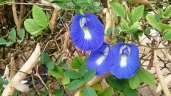
📚 theferns.info · iNaturalist · Tavily/CR-search
Ornamental only

Erythroxylaceae

1 plant
Erythroxylaceae
Erythroxylum coca
Coca
₡5,000In stock
0
South AmericaZone 10-12Food
Habit
Shrub
Height
1.50 m
Cultivation Status
Cultivated, Wild

Native range: S. America - northern Brazil, Bolivia, Peru.

A plant of moderate to higher elevations in the tropics. It grows best in areas where annual daytime temperatures are within the range 17 - 23°c, but can tolerate 14 - 27°c. Mature plants can be killed by temperatures of -5°c or lower, but young growth will be severely damaged at -1°c. It prefers a mean annual rainfall in the range 1,000 - 2,100mm, but tolerates 700 - 4,000mm. Widely cultivated in the Andean region of the tropics, where it locally also occurs wild, the plant is not easy to cultivate elsewhere, and it is little known in other parts of the world. In South-East Asia, it is only grown in botanical gardens, not as a crop. The form Erythroxylum coca ipadu is only found as a cultivated plant in Amazonian lowland rain forest areas. Grows best in a sunny position. Succeeds in most fertile, well-drained soils. Prefers a pH in the range 5.5 - 6.5, tolerating 4.3 - 8. Plants take 1 - 3 years from seed to the first harvest, and then have an economical life of around 20 years. Annual yields are up to 2 tonnes/ha of dried leaves.

Planta de elevaciones moderadas a altas en los trópicos. Crece mejor en áreas donde las temperaturas diurnas anuales están en el rango de 17 - 23°c, pero puede tolerar 14 - 27°c. Las plantas maduras pueden ser dañadas fatalmente por temperaturas de -5°c o inferiores, pero el crecimiento joven se daña severamente a -1°c. Prefiere una precipitación anual media en el rango de 1,000 - 2,100mm, pero tolera 700 - 4,000mm. Ampliamente cultivada en la región andina de los trópicos, donde también ocurre localmente en estado silvestre, la planta no es fácil de cultivar en otros lugares y es poco conocida en otras partes del mundo. En el Sudeste Asiático, solo se cultiva en jardines botánicos, no como cultivo comercial. La forma Erythroxylum coca ipadu solo se encuentra como planta cultivada en áreas de selva tropical de tierras bajas amazónicas. Crece mejor en una posición soleada. Se desarrolla en la mayoría de suelos fértiles y bien drenados. Prefiere un pH en el rango de 5.5 - 6.5, tolerando 4.3 - 8. Las plantas tardan 1 - 3 años desde la semilla hasta la primera cosecha, y luego tienen una vida económica de aproximadamente 20 años. Los rendimientos anuales son de hasta 2 toneladas/ha de hojas secas.

None known

The leaves contain cocaine and other alkaloids. They are narcotic, cerebral-stimulant and locally anaesthetic. The alkaloids are extracted and used to make various pharmaceutical drugs, including a local anaesthetic. Chewed with lime or plant ashes the leaves cause a feeling of easiness and increasing energy. Therefore they are used by native peoples as a stimulant to better endure hunger, thirst and physical stress. An infusion of the leaves serves also as remedy for altitude sickness, the feared 'soroche'.

Las hojas contienen cocaína y otros alcaloides. Son narcóticas, estimulantes cerebrales y anestésicas localmente. Los alcaloides se extraen y se usan para fabricar varios fármacos, incluido un anestésico local. Masticadas con cal o cenizas de plantas, las hojas causan una sensación de alivio y energía creciente. Por lo tanto, son utilizadas por pueblos nativos como estimulante para resistir mejor el hambre, la sed y el estrés físico. Una infusión de las hojas también sirve como remedio para el mal de altura, el temido 'soroche'.

No data available for this section.
StrataLowLifecycleClimaxMaturity2-3 yearsLifespan40-50 yearsFunctionFoodSpacing2-5m

Fabaceae

3 plants
Fabaceae
Bauhinia guianensis
Monkey Ladder
Escalera de mono
₡5,000In stock
0
Support
Habit
Climber
Height
15.00 m
Cultivation Status
Wild

Native range: S. America - Brazil, Bolivia, Peru, Ecuador, Colombia, Venezuela, the Guyanas; Caribbean - Trinidad; C. America - Panama to Guatemala.

Not known

None known

The stem is used in the treatment of venereal disease. A decoction of the stems and leaves is used as a treatment for cramps. A liquid made from the stem is used as a wash for treating fevers. The wood is said to be anodyne, aphrodisiac and astringent. A decoction is drunk to treat diarrhoea and to expel stomach worms. The root is used to treat diarrhoea. The sap is used to treat diarrhoea. A decoction of the bark is drunk as a remedy for diarrhoea. A decoction of the grated stem bark is drunk to relieve diarrhoea and stomachaches. The bark decoction is used externally as a wash to treat fevers.

El tallo se utiliza en el tratamiento de enfermedades venéreas. Una decocción de los tallos y hojas se usa para tratar calambres. Un líquido hecho del tallo se usa como lavado para tratar fiebres. Se dice que la madera es anodina, afrodisíaca y astringente. Una decocción se bebe para tratar la diarrea y expulsar parásitos estomacales. La raíz se utiliza para tratar la diarrea. La savia se usa para tratar la diarrea. Una decocción de la corteza se bebe como remedio para la diarrea. Una decocción de la corteza del tallo rallado se bebe para aliviar la diarrea y los dolores estomacales. La decocción de corteza se usa externamente como lavado para tratar fiebres.

No data available for this section.

StrataHighLifecycleClimaxMaturityLifespanFunctionSupportSpacing
Fabaceae
Clitoria ternatea
Blue Butterfly Pea
₡2,500In stock
0
Southeast AsiaZone 9-11Food
Habit
Deciduous Perennial
Height
3.00 m
Growth Rate
Fast
Self-fertile
No
Pollinators
Insects
Cultivation Status
Cultivated, Ornamental, Wild

Native range: Pantropical.

Butterfly pea is essentially a plant of the humid and subhumid tropical lowlands at elevations from sea level to around 1,600 metres. It is also grown as an annual in warm temperate areas. It grows best in areas with an annual rainfall in the region of 1,500mm, but it has a reputation for drought tolerance in the seasonally dry tropics (with 500 - 900 mm annual rainfall) and can probably survive with as little as 400mm annual rainfall. Its annual mean temperature range is 19 - 28°c and it has survived moderate frost damage in the subtropics (at a latitude of 26°S). Plants can succeed on a variety of soils as long as they are well-drained, but prefer a fertile, friable soil, growing poorly on infertile sandy soils if they not fertilized. It does well on heavy clay soils. Prefers a position in full sun. It succeeds within a pH range of 5.5 - 8.9. Butterfly pea is one of the few herbaceous legumes well adapted to heavy clay soils in the subhumid to semi-arid tropics and the only one with potential in irrigated pasture mixtures on these soils. Early growth of the plant from seed is rapid in warm moist conditions. Growth of established plants is mostly from the apices of the main axis and axillary branches; very few new shoots arise from ground level. Growth is more or less continuous in the humid tropics, or with irrigation in other hot regions. Individual plants may live for several years and grow into large vines if undisturbed. In the seasonally dry tropics and in cool regions, growth is limited by lack of moisture or low temperatures. Leaves are shed in response to these stresses and top growth may be killed by frost or fire. However, recovery during the following growing season is usually good Butterfly pea competes fairly well with weeds once established and can cover the ground in 4 - 6 weeks when sown at a population of 4 plants per square metre. Establishment may be a problem on fertile soils if sown with a vigorous companion grass or oversown into an existing pasture. It combines better with tussock than stoloniferous grasses in mixed pastures. The location of its growing points at the ends of the main branches makes it susceptible to frequent low cutting as well as to continuous heavy grazing. Flowers are cleistogamous but a small level of outcrossing occurs. Time to flowering can range from 7 - 11 weeks. Subsequent flowering flushes overlap pod maturation from the previous flush, and they continue throughout the year in frost-free regions. At higher latitudes in the tropics, there is usually a peak at the end of the wet season and again at the end of the cool season, if moisture is available. Pods mature in 8 - 10 weeks after flowering and shatter readily once fully dry. There is considerable variation in the size of flowers and leaflets. The plant is propagated by seed and readily self- propagates and spreads under favourable conditions by seed thrown vigorously from the dehiscing dry pods. Seed is also spread in cattle dung.Inoculation of butterfly pea seed with rhizobia is not usually necessary; but, if it is required, broad spectrum cowpea inoculum should be used. This species has a symbiotic relationship with certain soil bacteria, these bacteria form nodules on the roots and fix atmospheric nitrogen. Some of this nitrogen is utilized by the growing plant but some can also be used by other plants growing nearby.

La arveja mariposa es esencialmente una planta de las tierras bajas tropicales húmedas y subhúmedas a elevaciones desde el nivel del mar hasta alrededor de 1.600 metros. También se cultiva como anual en zonas templadas cálidas. Crece mejor en áreas con precipitación anual alrededor de 1.500 mm, pero tiene reputación de tolerancia a la sequía en los trópicos estacionalmente secos (con 500-900 mm de lluvia anual) y probablemente puede sobrevivir con tan solo 400 mm de lluvia anual. Su rango de temperatura media anual es 19-28°C y ha resistido daño moderado por heladas en los subtrópicos (a una latitud de 26°S). Las plantas pueden crecer en una variedad de suelos siempre que estén bien drenados, pero prefieren suelo fértil y friable, creciendo mal en suelos arenosos infértiles si no se fertilizan. Se desarrolla bien en suelos arcillosos pesados. Prefiere posición a pleno sol. Prospera en un rango de pH de 5,5-8,9. La arveja mariposa es una de las pocas leguminosas herbáceas bien adaptadas a suelos arcillosos pesados en los trópicos subhúmedos a semiáridos y la única con potencial en mezclas de pastos irrigados en estos suelos. El crecimiento inicial de la planta desde semilla es rápido en condiciones cálidas y húmedas. El crecimiento de plantas establecidas proviene principalmente de los ápices del eje principal y ramas axilares; muy pocos brotes nuevos surgen del nivel del suelo. El crecimiento es más o menos continuo en los trópicos húmedos, o con riego en otras regiones cálidas. Las plantas individuales pueden vivir varios años y crecer en grandes enredaderas si no se disturban. En los trópicos estacionalmente secos y en regiones frías, el crecimiento está limitado por falta de humedad o bajas temperaturas. Las hojas se pierden en respuesta a estos estreses y el crecimiento superior puede ser eliminado por heladas o incendios. Sin embargo, la recuperación durante la siguiente temporada de crecimiento es generalmente buena. La arveja mariposa compite bastante bien con malezas una vez establecida y puede cubrir el terreno en 4-6 semanas cuando se siembra a una población de 4 plantas por metro cuadrado. El establecimiento puede ser un problema en suelos fértiles si se siembra con un pasto acompañante vigoroso o se sobresiembre en un pastizal existente. Se combina mejor con pastos de mata que estoloníferos en pastos mixtos. La ubicación de sus puntos de crecimiento en los extremos de las ramas principales la hace susceptible a cortes bajos frecuentes así como a pastoreo continuo pesado. Las flores son cleistógamas pero ocurre un pequeño nivel de polinización cruzada. El tiempo hasta la floración puede variar de 7-11 semanas. Los posteriores flujos de floración se superponen con la maduración de vainas del flujo anterior, y continúan durante todo el año en regiones libres de heladas. En latitudes más altas en los trópicos, generalmente hay un pico al final de la estación húmeda y nuevamente al final de la estación fresca, si hay humedad disponible. Las vainas maduran en 8-10 semanas después de la floración y se dispersan fácilmente una vez completamente secas. Hay considerable variación en el tamaño de flores y folíolos. La planta se propaga por semilla y se auto-propaga y disemina fácilmente bajo condiciones favorables por semillas lanzadas vigorosamente de las vainas secas dehiscentes. La semilla también se dispersa en estiércol de ganado. La inoculación de semilla de arveja mariposa con rizobios generalmente no es necesaria; pero, si es requerida, debe usarse inoculante de amplio espectro de caupí. Esta especie tiene una relación simbiótica con ciertas bacterias del suelo, estas bacterias forman nódulos en las raíces y fijan nitrógeno atmosférico. Parte de este nitrógeno es utilizado por la planta en crecimiento pero también puede ser usado por otras plantas que crecen cerca.

The young pods are eaten as a vegetable. The flowers are used to give a blue tinge to rice cakes and boiled rice. Young leaves - cooked and used as a vegetable. The leaves can also be used to colour food.

Las vainas jóvenes se consumen como verdura. Las flores se usan para dar un matiz azul a tortas de arroz y arroz hervido. Hojas jóvenes - cocidas y usadas como verdura. Las hojas también pueden usarse para colorear alimentos.

The flowers are mixed with water in a preparation used to treat eye problems. The powdered, ripe seeds are aperient and purgative. The roots are bitter, powerfully cathartic, diuretic and purgative. The rootbark is diuretic and laxative. The plant is used in the treatment of snakebites. The seeds contain a fixed oil, a bitter resinous principle and tannins. The rootbark contains tannins.

Las flores se mezclan con agua en una preparación usada para tratar problemas oculares. Las semillas maduras en polvo son aperitivas y purgantes. Las raíces son amargas, fuertemente catárticas, diuréticas y purgantes. La corteza de raíz es diurética y laxante. La planta se utiliza en el tratamiento de mordeduras de serpiente. Las semillas contienen aceite fijo, un principio resinoso amargo y taninos. La corteza de raíz contiene taninos.

Butterfly pea has a reputation as a potential fodder plant, hay or cover crop. It has been extensively tested as such, especially in the subhumid to semi-arid tropics. It has never been used in extensive areas, although it is used by smallholders. It is used as a cover crop in coconut in southern India and in rubber in Malaysia. A fast-growing plant, it provides good ground cover.

La arveja mariposa tiene reputación como planta forrajera potencial, heno o cultivo de cobertura. Ha sido ampliamente probada como tal, especialmente en los trópicos subhúmedos a semiáridos. Nunca ha sido usada en áreas extensas, aunque es utilizada por pequeños agricultores. Se usa como cultivo de cobertura en cocotero en el sur de India y en caucho en Malasia. Una planta de rápido crecimiento, proporciona buena cobertura del suelo.

StrataHighLifecycleSecondary 1Maturity3-4 monthsLifespan1-2 yearsFunctionFoodSpacing1 m
Fabaceae
Inga edulis
Ice Cream Bean
Guava
₡2,000Out of stock
0
South AmericaZone 10-12Support
Habit
Evergreen Tree
Height
17.00 m
Growth Rate
Fast
Cultivation Status
Cultivated, Wild

Native range: Northern and western S. America - Brazil, Bolivia, Peru, Ecuador, Colombia, Venezuela, the Guyanas.

A plant of the hot, humid, lowland tropics, where it can also be found at elevations up to 2,200 metres. It grows best in areas where annual daytime temperatures are within the range 23 - 30°c, but can tolerate 18 - 35°c. Mature plants can be killed by temperatures of -2°c or lower, whilst new growth is damaged at 0°c. It prefers a mean annual rainfall in the range 1,200 - 2,500mm, but tolerates 640 - 4,000mm. Prefers a sunny position, but also succeeds in dappled shade. Tolerant of a range of soil conditions, including limestone. It can succeed on floodplains that are waterlogged for 2 - 3 months each year, and is also remarkably resistant to drought, occurring in regions with a 6-month dry season. Prefers a pH in the range 5 - 6.5, tolerating 4.5 - 8. The tree can grow rapidly, even on the poorest nutrient-depleted soils. Seedling trees can commence fruiting when only two years old. Trees can flower and fruit all year round. The tree responds well to coppicing. A highly variable species, forms with the best quality seedpods are seldom found in Central America, where it is quite likely that all the trees are relics of former cultivation. This species has a symbiotic relationship with certain soil bacteria, these bacteria form nodules on the roots and fix atmospheric nitrogen. Some of this nitrogen is utilized by the growing plant but some can also be used by other plants growing nearby.

Planta de los trópicos húmedos y cálidos de tierras bajas, también se encuentra en elevaciones hasta 2.200 metros. Crece mejor en áreas con temperaturas diurnas anuales entre 23-30°C, pero tolera 18-35°C. Las plantas adultas mueren a temperaturas de -2°C o inferiores, mientras que el crecimiento nuevo se daña a 0°C. Prefiere una precipitación anual media entre 1.200-2.500mm, pero tolera 640-4.000mm. Prefiere posiciones soleadas, aunque también prospera en semisombra. Tolera una amplia gama de condiciones de suelo, incluyendo calizos. Puede crecer en llanuras aluviales inundadas 2-3 meses al año y es notablemente resistente a la sequía, encontrándose en regiones con estación seca de 6 meses. Prefiere pH entre 5-6,5, tolerando 4,5-8. El árbol crece rápidamente, incluso en suelos muy pobres y agotados. Árboles jóvenes pueden comenzar a fructificar a los dos años. Los árboles pueden florecer y fructificar durante todo el año. Responde bien a la poda. Especie altamente variable; las formas con vainas de mejor calidad raramente se encuentran en América Central, donde es probable que todos los árboles sean reliquias de cultivo anterior. Esta especie tiene una relación simbiótica con ciertas bacterias del suelo que forman nódulos en las raíces y fijan nitrógeno atmosférico. Parte de este nitrógeno es utilizado por la planta en crecimiento, pero parte también puede ser utilizado por otras plantas cercanas.

The pulp surrounding the seeds in the seedpod is white, translucent and jelly-like with a sweet, perfumed flavour. Much esteemed in Ecuador, some forms have a slight cinnamon flavour. The seedpod is up to 100cm long. The seedpod can vary considerably in size and in the quantity of pulp it contains. The best forms are found in S. America.

La pulpa que rodea las semillas en la vaina es blanca, translúcida y gelatinosa con sabor dulce y perfumado. Muy apreciada en Ecuador, algunas formas tienen un ligero sabor a canela. La vaina alcanza hasta 100cm de largo. La vaina varía considerablemente en tamaño y en la cantidad de pulpa que contiene. Las mejores formas se encuentran en América del Sur.

A decoction of the crushed leaves is taken to relieve coughing. A decoction of the leaves is applied to sores of the lips (perhaps herpes).

Se toma una decocción de las hojas machacadas para aliviar la tos. Se aplica una decocción de las hojas en llagas de los labios (posiblemente herpes).

Commonly planted as a shade tree in coffee and cacao plantations, since it is fast-growing, fixes atmospheric nitrogen, has a well spreading crown and produces large quantities of leaves which cover the ground and add considerable quantities of organic matter to the soil. In trial experiments on cultivated slopes, a mulch from this tree reduced soil erosion to levels almost equal to those in secondary forests. The leaf litter is high in nitrogen, lignins and polyphenols. It is slow to decompose, but provides a long-term build up of organic nitrogen and effective weed control. Weed biomass decreased considerably in all agroforestry trials with this species, much more than with other leguminous species. Existing trials are too new to ascertain whether the species can maintain or improve soil fertility on acid sites in the long term, but results so far are promising.

Comúnmente plantado como árbol de sombra en plantaciones de café y cacao, ya que crece rápidamente, fija nitrógeno atmosférico, tiene una copa bien extendida y produce grandes cantidades de hojas que cubren el suelo y añaden considerable materia orgánica. En experimentos de prueba en laderas cultivadas, una cobertura de este árbol redujo la erosión del suelo a niveles casi iguales a los de bosques secundarios. La hojarasca es rica en nitrógeno, ligninas y polifenoles. Se descompone lentamente pero proporciona una acumulación a largo plazo de nitrógeno orgánico y control efectivo de malezas. La biomasa de malezas disminuyó considerablemente en todos los ensayos agroforestales con esta especie, mucho más que con otras especies leguminosas. Los ensayos existentes son muy recientes para determinar si la especie puede mantener o mejorar la fertilidad del suelo en sitios ácidos a largo plazo, pero los resultados hasta ahora son prometedores.

StrataEmergentLifecycleSecondary 2Maturity3-4 yearsLifespan20-30 yearsFunctionSupportSpacing1-5 m

Heliconiaceae

1 plant
Heliconiaceae
Heliconia stricta
Dwarf Heliconia
Heliconia
No photo available
₡3,500In stock
0
Support

No cultivation data available.

No data available for this section.

No data available for this section.

No data available for this section.

Ornamental only

Lamiaceae

2 plants
Lamiaceae
Pogostemon cablin
Patchouli
Pachulí
₡2,000Enquire
0
Southeast AsiaZone 10-12Food
Habit
Perennial
Height
0.80 m
Pollinators
Insects
Cultivation Status
Cultivated

Native range: E. Asia - China, Sri Lanka, Vietnam, Malaysia, Indonesia, Philippines, New Guinea.

Patchouli is a plant of the moist tropics, where it is found at elevations from 1,000 - 2,000 metres. It grows best in areas where annual daytime temperatures are within the range 23 - 28°c, but can tolerate 16 - 32°c. The plant can survive temperatures down to about 5°c. It prefers a mean annual rainfall in the range 2,200 - 2,600mm, but tolerates 2,000 - 2,800mm. Grows best in a sunny position. Requires a rich, moist soil. Grows best in a fertile, well-drained, loamy to clayey soil. Prefers a pH in the range 6 - 6.5, tolerating 5.5 - 7. All parts of the plant are aromatic when crushed. The plant is often cultivated for its essential oil. A short-lived, perennial species, it provides a first harvest 180 - 210 days after planting, and can be cropped thereafter every 120 - 180 days. Yields from the first cutting are about 1 tonne of dried leaves per hectare. Subsequent cuttings give 0.5 - 1 tonnes. The plant has an economical life of 2- 3 years.

El pachulí es una planta de los trópicos húmedos, donde se encuentra a elevaciones de 1,000 - 2,000 metros. Crece mejor en áreas donde las temperaturas diurnas anuales están en el rango de 23 - 28°C, pero puede tolerar 16 - 32°C. La planta puede sobrevivir temperaturas hasta aproximadamente 5°C. Prefiere una precipitación anual media en el rango de 2,200 - 2,600 mm, pero tolera 2,000 - 2,800 mm. Crece mejor en una posición soleada. Requiere un suelo rico y húmedo. Crece mejor en un suelo fértil, bien drenado, franco a arcilloso. Prefiere un pH en el rango de 6 - 6.5, tolerando 5.5 - 7. Todas las partes de la planta son aromáticas cuando se aplastan. La planta se cultiva frecuentemente por su aceite esencial. Especie perenne de corta vida, proporciona una primera cosecha 180 - 210 días después de la plantación, y puede cosecharse posteriormente cada 120 - 180 días. Los rendimientos del primer corte son aproximadamente 1 tonelada de hojas secas por hectárea. Los cortes posteriores producen 0.5 - 1 toneladas. La planta tiene una vida económica de 2 - 3 años.

Leaves - the fleshy leaves are sometimes used as a flavouring. An essential oil is obtained from the dried, cured leaves. It is used as a flavouring in various items, such as chewing gum, baked goods and candy.

Hojas - las hojas carnosas se usan ocasionalmente como saborizante. Se obtiene un aceite esencial de las hojas secas y curadas. Se utiliza como saborizante en varios productos, como chicle, productos horneados y caramelos.

Patchouli leaves contain an essential oil comprised mainly of the sesquiterpenes patchoulol (35%) and bulnesene. In the East, Patchouli oil is believed to prevent the spread of infection, and it is widely used for this purpose. Both the leaves, and the essential oil obtained from them, are used medicinally and are considered to be antiseptic, aphrodisiac, astringent, diuretic, febrifuge, digestive, sedative, stomachic and tonic. The herb is used internally in the treatment of colds, headaches, nausea, vomiting, abdominal pain and diarrhoea. An infusion is used to make a convalescent bath. Externally, it is used to treat halitosis, a range of skin problems, snake bite etc. The leaves and tops are added to baths, and are said to have an antirheumatic action. The essential oil is used in aromatherapy to treat nervous exhaustion, depression, low libido and frigidity. It is thought to have a regenerative effect upon skin tone and is used to help clear conditions such as eczema and acne. The leaves are harvested 2 - 3 times a year and are usually dried for oil distillation.

Las hojas de pachulí contienen un aceite esencial compuesto principalmente por los sesquiterpenos patchoulol (35%) y bulneseno. En Oriente, se cree que el aceite de pachulí previene la propagación de infecciones, y se usa ampliamente para este propósito. Tanto las hojas como el aceite esencial obtenido de ellas se usan medicinalmente y se consideran antiséptico, afrodisíaco, astringente, diurético, febrífugo, digestivo, sedante, estomacal y tónico. La hierba se usa internamente para tratar resfriados, dolores de cabeza, náuseas, vómitos, dolor abdominal y diarrea. Se usa una infusión para preparar baños convalecientes. Externamente, se usa para tratar halitosis, una variedad de problemas de piel, mordeduras de serpiente, etc. Las hojas y puntas se agregan a baños y se dice que tienen propiedades antirreumáticas. El aceite esencial se usa en aromaterapia para tratar agotamiento nervioso, depresión, bajo libido y frigidez. Se cree que tiene un efecto regenerador en el tono de la piel y se usa para ayudar a aclarar condiciones como eczema y acné. Las hojas se cosechan 2 - 3 veces al año y generalmente se secan para la destilación de aceite.

No data available for this section.

📚 Porvenir Design DB
StrataMediumLifecycleSecondary 1Maturity3-4 monthsLifespan3-5 yearsFunctionFoodSpacing50 cm - 1 m
Lamiaceae
Salvia divinorum
Diviner's Sage
Salvia divinorum
No photo available
₡10,0007 left
0
Central AmericaZone 10-12Food
Height
0.00 m

Native range: Southern N. America - southwestern Mexico (Oaxaca)

Not known

None known

None known

No data available for this section.

📚 Porvenir Design DB
StrataHighLifecycleSecondary 1Maturity3-4 monthsLifespanFunctionFoodSpacing1-2 m

Magnoliaceae

1 plant
Magnoliaceae
Magnolia champaca
Champaca
₡2,500In stock
0
Wood
Habit
Evergreen Tree
Height
30.00 m
Pollinators
Beetles
Cultivation Status
Cultivated, Ornamental, Wild

Native range: E. Asia - China, India, Bangladesh, Myanmar, Thailand, Vietnam, Indonesia.

A plant of the wet tropics and subtropics, also able to be grown in the warm temperate zone. It is found growing at elevations from near sea level to 2,100 metres. It grows best in areas where annual daytime temperatures are within the range 30 - 37°c, but can tolerate 10 - 47°c. When dormant, the plant can survive temperatures down to about °c, but young growth can be severely damaged at °c. It prefers a mean annual rainfall in the range 3,000 - 4,000mm, but tolerates 2,200 - 5,100mm. Requires a sunny position in a moist but well-drained, deep, fertile, loamy to sandy soil. Prefers a pH in the range 4.5 - 5.5, tolerating 4 - 6. Trees propagated from seed take 8 - 10 years to flower, whereas asexually propagated trees flower in 2 - 3 years. In Java the mean annual increment of 10 - 27-year-old trees is 1 - 1.8 metres in height and 1.5 - 2 cm in diameter. A rotation of 50 years is recommended to produce sawn timber. The tree responds well to coppicing The tree is susceptible to fire. The tree flowers and fruits throughout the year. Vesicular-arbuscular nitrogen-fixing mycorrhizae have been observed on the roots.

Planta de los trópicos y subtrópicos húmedos, también puede cultivarse en la zona templada cálida. Se encuentra en elevaciones desde el nivel del mar hasta 2.100 metros. Crece mejor en áreas donde las temperaturas diurnas anuales oscilan entre 30-37°C, pero puede tolerar 10-47°C. Durante el reposo, la planta puede sobrevivir temperaturas de alrededor de °C, pero el crecimiento joven puede dañarse severamente a °C. Prefiere una precipitación media anual de 3.000-4.000 mm, pero tolera 2.200-5.100 mm. Requiere una posición soleada en suelo húmedo pero bien drenado, profundo, fértil y franco-arenoso. Prefiere un pH de 4,5-5,5, tolerando 4-6. Los árboles propagados por semilla tardan 8-10 años en florecer, mientras que los propagados asexualmente florecen en 2-3 años. En Java, el incremento medio anual de árboles de 10-27 años es de 1-1,8 metros en altura y 1,5-2 cm de diámetro. Se recomienda una rotación de 50 años para producir madera aserrada. El árbol responde bien al aprovechamiento por rebrotes. El árbol es susceptible al fuego. Florece y fructifica durante todo el año. Se han observado micorrizas fijadoras de nitrógeno vesicular-arbusculares en las raíces.

The aromatic, bitter bark is sometimes used for the adulteration of cinnamon. The fruit is said to be edible.

La corteza aromática y amarga se utiliza a veces para adulterar la canela. Se dice que el fruto es comestible.

The bark is used as a febrifuge. A decoction of the bark and leaves is given after childbirth. The flowers are used to treat leprosy. The leaves are used as a treatment against colic. The seeds are used to treat badly chapped skin. Fatty oils extracted from the seeds show antibacterial activity against Bacillus pumilus, B. Subtilis, Salmonella typhosa, S. Paratyphi, Micrococcus pyogenes var. Albus and Staphylococcus aureus.

La corteza se utiliza como febrífugo. Se administra una decocción de la corteza y las hojas después del parto. Las flores se utilizan para tratar la lepra. Las hojas se utilizan como tratamiento contra los cólicos. Las semillas se utilizan para tratar la piel muy agrietada. Los aceites grasos extraídos de las semillas muestran actividad antibacteriana contra Bacillus pumilus, B. subtilis, Salmonella typhosa, S. paratyphi, Micrococcus pyogenes var. albus y Staphylococcus aureus.

The tree is used to reforest badly eroded areas in Java. Soil under tree cover shows an increase in pH, soil organic carbon and available phosphorus.

El árbol se utiliza para reforestar áreas muy erosionadas en Java. El suelo bajo la cubierta arbórea muestra un aumento en el pH, carbono orgánico del suelo y fósforo disponible.

StrataHighLifecycleClimaxMaturityLifespan100+ yearsFunctionWoodSpacing

Malpighiaceae

2 plants
Malpighiaceae
Banisteriopsis caapi
Caapi Vine
Ayahuasca
₡10,000In stock
0
South AmericaZone 10-12Food
Habit
Climber
Height
30.00 m
Cultivation Status
Cultivated, Wild

Native range: Northern and western S. America - Brazil, Bolivia, Peru, Colombia. Ecuador, Venezuela.

A plant of the moist tropics, where it is found at elevations from around sea level up to 1,000 metres.

Una planta de los trópicos húmedos, donde se encuentra en elevaciones desde el nivel del mar hasta aproximadamente 1,000 metros.

None known

The bark, leaves and twigs are the source of a beverage that is hallucinogenic. Commonly used in the Amazonian rainforest, it is used shamanically as a tool to contact the spirits and bring healing, and is also used recreationally. The shoots, roots and leaves, sometimes as an admixture with other species, are used by Indians for the preparation of a hallucinogenic beverage, used for special ceremonies or the roots and stems are chewed for this purpose. The dried leaves are also smoked. In addition to its use as an hallucinogenic, the plant is also emetic and purgative. At low doses it is used as a mild detoxifier. The plant contains an alkaloid, known variously as 'telepathin', yagein' or 'banisterine', which has a strongly stimulatory action on the nervous system. The bark contains beta-carboline alkaloids, including harmine, harmaline and delta-tetrahycroharmine. These alkaloids stimulate hallucinations.

La corteza, hojas y ramas son la fuente de una bebida alucinógena. Comúnmente utilizada en la selva amazónica, se usa chamánicamente como herramienta para contactar espíritus y traer sanación, y también se usa recreativamente. Los brotes, raíces y hojas, a veces en combinación con otras especies, son utilizados por indígenas para preparar bebidas alucinógenas usadas en ceremonias especiales, o las raíces y tallos se mastican para este propósito. Las hojas secas también se fuman. Además de su uso alucinógeno, la planta es también emética y purgante. En dosis bajas se utiliza como desintoxicante suave. La planta contiene un alcaloide conocido como 'telepatina', 'yagéina' o 'banisterina', que tiene una fuerte acción estimulante sobre el sistema nervioso. La corteza contiene alcaloides de beta-carbolina, incluyendo harmina, harmalina y delta-tetrahidroarmina. Estos alcaloides estimulan alucinaciones.

No data available for this section.

📚 Porvenir Design DB
StrataMediumLifecycleClimaxMaturity3-4 monthsLifespanFunctionFoodSpacing1-2 m
Malpighiaceae
Bunchosia cornifolia
Cerezo
Nance
₡2,500In stock
0
Central AmericaSupport
Habit
Evergreen Tree
Height
12.00 m
Pollinators
Bees, Insects
Cultivation Status
Cultivated, Wild

Native range: S. America - Peru, Ecuador, Colombia; Central America - Panama to Mexico.

Requires a sunny position. The tree is apparently tolerant of salty environments, given its frequent close proximity to the coast. This species is notable for its large annual crops of mealy-textured, red fruits that are sweet and good-tasting when ripe.

Requiere una posición soleada. El árbol es aparentemente tolerante de ambientes salinos, dada su frecuencia cerca de la costa. Esta especie es notable por sus grandes cosechas anuales de frutos rojos de textura harinosa que son dulces y de buen sabor cuando están maduros.

Fruit - raw or cooked. Sweet and pleasant tasting, with a mealy texture. The red fruits are about 3cm in diameter, with a thin mealy flesh surrounding 2 seeds.

Fruto - crudo o cocido. De sabor dulce y agradable, con textura harinosa. Los frutos rojos tienen aproximadamente 3 cm de diámetro, con una pulpa harinosa delgada que rodea 2 semillas.

None known

The tree is a good example of a pioneer - or secondary forest - species since it requires large amounts of sunlight in order to prosper and it is one of the first trees to colonize an area after it has been disturbed.

El árbol es un buen ejemplo de una especie pionera o de bosque secundario, ya que requiere grandes cantidades de luz solar para prosperar y es uno de los primeros árboles en colonizar un área después de haber sido perturbada.

StrataMediumLifecycleSecondary 2Maturity3-5 yearsLifespan20-40 yearsFunctionSupportSpacing7-15 m

Malvaceae

5 plants
Malvaceae
Cola acuminata
Kola Nut
₡8,00016 left
0
AfricaZone 10-12Food
Habit
Evergreen Tree
Height
20.00 m
Growth Rate
Medium
Cultivation Status
Cultivated, Ornamental, Wild

Native range: Southern, western and central tropical Africa.

Cola needs a hot humid climate, with a mean annual temperature in the range 26 - 35°c, and a mean annual rainfall of 1,200 - 1,800mm. However, it can withstand a dry season on sites with a high ground water level and it may be cultivated in drier areas where ground water is available. Though it is a lowland forest tree it has also been found at altitudes over 300 metres on deep rich soils under heavy and evenly distributed rainfall. Prefers a minimum temperature no lower than 13°c. Prefers a deep, rich, well-drained soil, although it may also be found in marshy areas. Does well in both light and heavy soils. Intolerant of soils with a high pH. Cola grows naturally in the shade, but it develops a better spreading crown which yields more fruits when grown in open places. Trees start producing at around the age of 12 - 15 years and can produce 10 - 16 kilos of seed annually for more than 80 years. Trees commence flowering and fruiting when they are small. Yields of 300 nuts per mature tree are considered good. Plants are often used as shade trees for cocoa (Theobroma cacao) plantations. Muslims consider the cola nut as sacred and brought by the prophet Mohammed. They use the nut for ceremonial and social occasions.

Cola requiere un clima cálido y húmedo, con una temperatura media anual entre 26-35°C y una precipitación media anual de 1.200-1.800mm. Puede soportar una estación seca en suelos con nivel freático alto y cultivarse en zonas más secas donde hay agua subterránea disponible. Aunque es un árbol de bosque tropical, se ha encontrado a altitudes superiores a 300 metros en suelos profundos y ricos con lluvia abundante y bien distribuida. Prefiere una temperatura mínima no inferior a 13°C. Requiere suelos profundos, ricos y bien drenados, aunque también se encuentra en áreas pantanosas. Se desarrolla bien en suelos ligeros y pesados. Intolerante a suelos con pH alto. Cola crece naturalmente a la sombra, pero desarrolla una copa más extendida y productiva en espacios abiertos. Los árboles comienzan a producir entre los 12-15 años y pueden producir 10-16 kilos de semilla anualmente durante más de 80 años. Rinde de 300 nueces por árbol maduro se consideran buenos. Se utiliza frecuentemente como árbol de sombra en plantaciones de cacao. Los musulmanes consideran la nuez de cola como sagrada, traída por el profeta Mahoma, usándola en ocasiones ceremoniales y sociales.

The aromatic seed is rich in caffeine, containing 1.25 - 2.4% caffeine, and acts as a stimulant. It can be chewed or ground into a powder and made into a drink in order to give energy, increase alertness, retard hunger and fatigue, aid digestion and increase stamina. When the whole nuts are chewed, they taste bitter at first but they leave a sweet taste in the mouth later that affects other foods or drinks that are consumed. Thus chewing cola nuts before drinking water helps to render the water sweeter. The bitter tasting seeds are much appreciated by Muslims in the drier region of West Africa, especially during the month of Ramadan. The nuts are used for non-alcoholic soft drinks like Coca-Cola. An extract, prepared from the dried kernels, is used to flavour carbonated drinks, ice cream, candy, baked goods etc. The kernels can be red, white or pink. The red ones can be used as a natural food colorant.

La semilla aromática es rica en cafeína (1,25-2,4%) y actúa como estimulante. Se puede masticar o moler en polvo para hacer bebidas que aumentan la energía, alertness, retardan el hambre y la fatiga, facilitan la digestión y aumentan la resistencia. Las nueces enteras tienen sabor amargo inicialmente pero dejan un sabor dulce que afecta otros alimentos o bebidas. Masticar nueces de cola antes de beber agua la endulza. Las semillas amargas son apreciadas por musulmanes en zonas áridas de África Occidental, especialmente durante Ramadán. Se utilizan en bebidas no alcohólicas como Coca-Cola. Los extractos de los kernels secos se usan para dar sabor a bebidas carbonatadas, helados, caramelos y productos horneados. Los kernels pueden ser rojos, blancos o rosados. Los rojos se utilizan como colorante natural.

Cola nuts contain up to 2.5% caffeine, plus theobromine, tannins, phlobaphene and an anthocyanin. They stimulate the nervous system when chewed and are also considered to be a digestive tonic, diuretic, astringent and antidepressant. They counteract overstrain and depression thus improving the physical and mental state. The principle action is that of caffeine. Other active principles include theobromine and kolatine. Because of its astringent properties, cola is used as a non-addictive stimulant in the treatment of diarrhoea and dysentery, and also to prevent vomiting in cases of high fever. It has also been used in the treatment of headaches and migraine. It has been used in combination with coca leaf (Erythroxylum coca) to produce a stimulant drug that has been used as 'Forced March' tablets by explorers and military expeditions. The crushed nuts are boiled together with the leaves of Morinda lucida and the liquid taken internally to cure piles. The nuts ground to a fine paste together with the leaves of Scoparia dulce, are dissolved in a little water and a few drops are administered orally to babies for headache. The seeds are harvested when fully ripe and dried in the sun. An infusion of the bark mixed with ginger and a little pepper is taken internally to cure stomach ulcers.

Las nueces de cola contienen hasta 2,5% de cafeína, más teobromina, taninos, flobafenos y antocianinas. Estimulan el sistema nervioso al masticar y se consideran un tónico digestivo, diurético, astringente y antidepresivo. Contrarrestan el agotamiento y la depresión mejorando el estado físico y mental. La acción principal es la de la cafeína. Otros principios activos incluyen teobromina y colatina. Por sus propiedades astringentes, se usa como estimulante no adictivo en el tratamiento de diarrea y disentería, y para prevenir vómitos en casos de fiebre alta. Se ha utilizado en el tratamiento de dolores de cabeza y migraña. Se ha combinado con hoja de coca para producir un estimulante usado en 'tabletas de Marcha Forzada' por exploradores. Las nueces trituradas se hierven con hojas de Morinda lucida para curar hemorroides. Se muelen en pasta fina con hojas de Scoparia dulce, se disuelven en agua y se administran oralmente a bebés para dolores de cabeza. Las semillas se cosechan maduras y se secan al sol. Una infusión de la corteza con jengibre y pimienta se toma internamente para úlceras estomacales.

No data available for this section.
StrataMediumLifecycleClimaxMaturity5-7 yearsLifespan50-80 yearsFunctionFoodSpacing4-6 m
Malvaceae
Herrania purpurea
Monkey Cacao
₡2,500In stock
0
Food
Habit
Evergreen Tree
Height
3.00 m
Cultivation Status
Wild

Native range: Northern S. America - Ecuador, Venezuela, Colombia; Central America - Panama, Costa Rica, Nicaragua.

Succeeds in most soils.

Prospera en la mayoría de los suelos.

A bitter tasting beverage is made from the seeds. The following report is based mainly on the seeds of H. Nitida, but the seed of this species is likely to be very similar. The seed contains up to 66% oil. It is solid at room temperature, turning liquid at 25 - 29°c. The oil comprises 18 - 26% linoleic acid, 2 - 7% oleic acid and 74 - 76% saturated acids. Fruit - raw. The pulp (aril) surrounding the seeds is delicious and refreshing. This white, acidulous pulp is eaten raw and is most delicious just before the complete ripening of the fruit.

De las semillas se elabora una bebida de sabor amargo. El siguiente informe se basa principalmente en las semillas de H. Nítida, aunque la semilla de esta especie probablemente será muy similar. La semilla contiene hasta un 66% de aceite. Es sólido a temperatura ambiente, volviéndose líquido a 25-29°C. El aceite comprende 18-26% de ácido linoleico, 2-7% de ácido oleico y 74-76% de ácidos saturados. Fruto - crudo. La pulpa (arilo) que rodea las semillas es deliciosa y refrescante. Esta pulpa blanca y acidulada se consume cruda y es más deliciosa justo antes de la maduración completa del fruto.

None known

No data available for this section.

StrataLowLifecycleClimaxMaturityLifespanFunctionFoodSpacing
Malvaceae
Pachira glabra
Saba nut
₡4,000In stock
0
Food
Habit
Evergreen Tree
Height
17.00 m
Pollinators
Insects
Cultivation Status
Cultivated, Ornamental, Wild

Native range: S. America - southern, central and eastern Brazil.

Prefers a deep, fertile loamy soil in full sun or light shade. A fast-growing tree, it can reach a height of 3.5 metres within 2 years from seed.

Prefiere un suelo profundo, fértil y franco en pleno sol o semisombra. Árbol de rápido crecimiento que puede alcanzar una altura de 3,5 metros en 2 años a partir de semilla.

Seed - raw or cooked. The seeds can be boiled or roasted like chestnuts. Rich in oil. Similar to groundnuts in flavour. The young leaves are said to be eaten.

Semillas crudas o cocidas. Las semillas se pueden hervir o tostar como castañas. Ricas en aceite. Sabor similar al del cacahuete. Se dice que las hojas jóvenes también se comen.

None known

The plant is easily reproduced from cuttings and so is widely used as a hedge in coastal regions of Brazil. It is sometimes grown to provide shade in cocoa plantations.

La planta se reproduce fácilmente por esquejes y se utiliza ampliamente como seto en las regiones costeras de Brasil. A veces se cultiva para proporcionar sombra en las plantaciones de cacao.

StrataHighLifecycleSecondary 2Maturity5-8 yearsLifespan50-100 yearsFunctionFoodSpacing6-8m
Malvaceae
Theobroma bicolor
Mocambo
Cacao jaguar / blanco
₡2,500In stock
0
South AmericaZone 10-12Food
Habit
Evergreen Tree
Height
12.00 m
Growth Rate
Fast
Pollinators
Insects, ?Wind
Cultivation Status
Cultivated, Wild

Native range: S. America - Brazil, Peru, Ecuador, Colombia; C. America - Panama to Mexico.

A plant of the moist tropics, where it is found at elevations up to 900 metres. The plant can also do well in upland tropical environments. It grows best in areas where annual daytime temperatures are within the range 22 - 28°c, but can tolerate 10 - 35°c. It prefers a mean annual rainfall in the range 1,500 - 2,000mm, but tolerates 1,100 - 2,500mm. Grows in part-shade to full shade. The plant prefers alluvial soils and tolerates minimal flooding. Some forms seem to be adapted to deep and prolonged flooding. Grows best in well-drained soil. Prefers a pH in the range 5 - 6, tolerating 4.5 - 8.5. The tree slowly increases in size as it ages, and can be very productive. It coppices fairly well, and can produce fruit at times when other fruits are scarce.

Planta de los trópicos húmedos, encontrada a elevaciones hasta 900 metros. También prospera en ambientes tropicales de altura. Crece mejor en áreas donde las temperaturas diurnas anuales oscilan entre 22-28°C, aunque tolera 10-35°C. Prefiere una precipitación anual media de 1.500-2.000mm, tolerando 1.100-2.500mm. Crece a semisombra hasta sombra completa. Prefiere suelos aluviales y tolera inundaciones mínimas. Algunas formas parecen adaptadas a inundaciones profundas y prolongadas. Crece mejor en suelo bien drenado. Prefiere un pH de 5-6, tolerando 4,5-8,5. El árbol aumenta de tamaño lentamente con la edad y puede ser muy productivo. Se regenera bastante bien por rebrotes y puede producir fruto cuando otros frutos son escasos.

Fruit - raw. A pleasant, subacid flavour, though the odour is somewhat disagreeable. It can be used to make desserts and refreshing drinks. The ellipsoid fruit is about 15 - 20cm long and 10 - 11cm in diameter. Seed - cooked. Roasted or cooked with other foods. Used as a beverage. A pleasant taste. The seeds are made into cocoa powder, or are used like almonds. The seeds of species in this genus are generally a rich source of oil (around 50%), starch (around 15%) and protein (around 15%). They also contain a volatile oil and the stimulating alkaloids caffeine and theobromine. The seeds of this species only contain a small amount of theobromine, but are a rich source of cacao butter. A chocolate of inferior quality is obtained from the seeds.

Fruto - crudo. Sabor agradable y subácido, aunque el olor es algo desagradable. Puede usarse para preparar postres y bebidas refrescantes. El fruto elipsoide mide aproximadamente 15-20cm de largo y 10-11cm de diámetro. Semilla - cocida. Tostada o cocida con otros alimentos. Utilizada como bebida. Sabor agradable. Las semillas se convierten en polvo de cacao o se usan como almendras. Las semillas de especies de este género son generalmente ricas en aceite (alrededor del 50%), almidón (alrededor del 15%) y proteína (alrededor del 15%). También contienen aceite volátil y los alcaloides estimulantes cafeína y teobromina. Las semillas de esta especie contienen solo una pequeña cantidad de teobromina, pero son una rica fuente de manteca de cacao. Se obtiene un chocolate de calidad inferior de las semillas.

Although no specific reports of medicinal use have been seen for this plant, the seed is a source of cacao powder and butter. These products have the following medicinal uses:- Cacao powder and butter, which are obtained from the seed, are nutritive. The butter is also applied externally as an emollient. Cacao powder is taken internally in the treatment of angina and high blood pressure. Cacao butter is an excellent emollient, being applied to the skin to soothe and soften it. It is used traditionally to treat chapped skin and burns, and is also rubbed into bruises. Research has shown that it can help to counter the bacteria responsible for boils and septicaemia.

Aunque no se han documentado usos medicinales específicos para esta planta, la semilla es fuente de polvo y manteca de cacao con los siguientes usos medicinales: El polvo y la manteca de cacao son nutritivos. La manteca se aplica externamente como emoliente. El polvo de cacao se toma internamente para tratar angina e hipertensión. La manteca de cacao es un excelente emoliente, aplicada en la piel para suavizarla y nutrirla. Se usa tradicionalmente para tratar piel agrietada y quemaduras, y también se frota en hematomas. La investigación ha demostrado que ayuda a contrarrestar las bacterias responsables de forúnculos y septicemia.

This fast growing tree has a small canopy, and can be intercropped with many tree species. It is usually grown as an understory plant in rainforests.

Este árbol de rápido crecimiento tiene un dosel pequeño y puede intercalarse con muchas especies arbóreas. Generalmente se cultiva como planta de sotobosque en selvas tropicales.

StrataMediumLifecycleClimaxMaturity3-4 yearsLifespan20-30 yearsFunctionFoodSpacing5-10 m
Malvaceae
Theobroma cacao
Cacao
Cacao
₡2,500In stock
0
South AmericaZone 10-12Food
Habit
Evergreen Tree
Height
8.00 m
Growth Rate
Medium
Self-fertile
No
Pollinators
Thrips, Midges, Ants, Aphids
Cultivation Status
Cultivated, Wild

Native range: S. America - Brazil, Peru, Colombia, the Guyanas; C. America - Belize, Guatemala, southern Mexico.

A tree of the lowland tropics, usually found below 300 metres but occasionally found as high as 900 metres. It succeeds where the mean annual temperature is in the range 18 - 28.5°c with a maximum temperature of 30 - 33.5°c and a minimum 13 - 18°c. The absolute minimum is 10°c, below which trees are likely to suffer severe damage. Rainfall should be plentiful and well distributed throughout the year. An annual rainfall level of between 1,500 - 2,000mm is suitable, though it is reported to tolerate an annual precipitation of 480 - 4,300mm. Requires a fertile, moisture-retentive but well-drained soil in sun or part shade in a position sheltered from the wind. Prefers an acid soil. Prefers a pH in the range 5 - 6.5, tolerating 4 - 8. An understorey tree of the forest, it grows best in dappled shade, but can even produce well in quite dense shade. There are three main types of cacao:- Criollo Cacaos originated in Central America. It is red skinned and the highest grade, but is low-yielding. Trinitario Cacaos arose in Trinidad. It is high grade. Forastero Cacaos comes from the Amazon Basin. The insignificant flowers have a faint, sweet fragrance. In favourable conditions both flowers and fruit will be borne throughout the year. Freshly planted young trees are slow to establish and grow away, rarely growing more than 1.5 metres tall after 2 years. Weeding and temporary shade are essential within the first 3 - 4 years of establishment before the canopy closes. Plantain appears to meet most of cocoa's requirements in this respect, whereas bananas compete heavily for moisture during the dry season. There are some named varieties.

Árbol de los trópicos bajos, generalmente encontrado por debajo de 300 metros aunque ocasionalmente llega hasta 900 metros. Prospera donde la temperatura media anual está entre 18 - 28,5°c con máxima de 30 - 33,5°c y mínima de 13 - 18°c. La temperatura mínima absoluta es 10°c, por debajo de la cual los árboles sufren daños graves. Requiere lluvia abundante y bien distribuida durante todo el año. Una precipitación anual entre 1.500 - 2.000mm es adecuada, aunque tolera entre 480 - 4.300mm. Necesita suelo fértil, que retenga humedad pero bien drenado, en sol o semisombra en posición protegida del viento. Prefiere suelo ácido con pH entre 5 - 6,5, tolerando 4 - 8. Como árbol del sotobosque, crece mejor en sombra moteada pero puede producir bien en sombra densa. Existen tres tipos principales: Criollo de América Central, de piel roja y máxima calidad pero bajo rendimiento; Trinitario de Trinidad, de alta calidad; y Forastero de la Cuenca Amazónica. Las flores insignificantes tienen fragancia tenue y dulce. En condiciones favorables produce flores y frutos durante todo el año. Los árboles jóvenes recién plantados establecen lentamente, rara vez superando 1,5 metros después de 2 años. El desmalezado y sombra temporal son esenciales durante los primeros 3 - 4 años antes del cierre del dosel. El plátano satisface bien los requerimientos, mientras que el banano compite fuertemente por humedad en estación seca.

The dried, fermented and roasted seeds of this plant, called cacao beans, are the source of cocoa, chocolate and cocoa butter. These are widely used in the confectionery industry to made chocolate confections, cakes, ice cream, drinks etc. The somewhat bitter flavour is usually moderated by adding sugar or other sweeteners. The seed contains up to 50% fat. The ripe seeds are cured by pressing, fermenting and then drying them. The cured seeds are then roasted and ground into a powder to make cocoa. A butter-like fat (called cocoa butter) is extracted from the seeds. The fruit contains about 20 - 40 seeds surrounded by a thin, succulent pulp with a slightly sweet flavour. This pulp is sucked as a sweet snack. It can be made into juices and jellies. The seed contains a pigment that is said to be useful as a food colouring.

Las semillas secas, fermentadas y tostadas, llamadas granos de cacao, son la fuente del cacao, chocolate y manteca de cacao. Se usan ampliamente en la industria de confitería para chocolates, pasteles, helados, bebidas, etc. El sabor algo amargo se modera añadiendo azúcar u otros edulcorantes. La semilla contiene hasta 50% de grasa. Las semillas maduras se curan por prensado, fermentación y secado, luego se tuestan y muelen en polvo para hacer cacao. Se extrae una grasa similar a mantequilla llamada manteca de cacao. El fruto contiene 20 - 40 semillas rodeadas de pulpa delgada y suculenta con sabor ligeramente dulce. Esta pulpa se consume como dulce. Puede hacerse en jugos y jaleas. La semilla contiene un pigmento útil como colorante alimentario.

Although used mainly as a food, cacao does also have some therapeutic value. The seed contains a range of medically active constituents including xanthines, a fixed oil and endorphins. It is a bitter, stimulant, diuretic herb that stimulates the nervous system, lowers blood pressure and dilates the coronary arteries. Cacao powder and butter are nutritive, the latter also soothes and softens damaged skin. The seed is used in central America and the Caribbean as a heart and kidney tonic. An infusion of the baked seed-membranes is drunk as a remedy for anaemia. Combined with the stems of Chromolaena odorata and the wood of Cecropia obtusa, the seed is applied externally as an emollient in a remedy to extract splinters or prickles embedded in the skin. Cacao powder is taken internally in the treatment of angina and high blood pressure. The rural people in Amazonas State, Brazil, rub cocoa butter on bruises. It is often used to treat chapped skin and burns. Research has shown that it can help to counter the bacteria responsible for boils and septicaemia. The leaf contains genistic acid. This has been shown to be antirheumatic and analgesic. An infusion of the leaf buds is used with incense to treat diarrhoea. An infusion of the dry pods is used to decrease leprosy spots.

Aunque se usa principalmente como alimento, el cacao tiene valor terapéutico. La semilla contiene constituyentes activos incluyendo xantinas, aceite fijo y endorfinas. Es una hierba amarga, estimulante y diurética que estimula el sistema nervioso, reduce la presión arterial y dilata las arterias coronarias. El polvo y manteca de cacao son nutritivos, la última suaviza y ablanda la piel dañada. En América Central y el Caribe se usa como tónico cardíaco y renal. Una infusión de las membranas de semilla tostada se bebe contra la anemia. Combinada con tallos de Chromolaena odorata y madera de Cecropia obtusa, se aplica externamente como emoliente para extraer astillas o espinas. El polvo se toma internamente para angina e hipertensión. En Amazonas, Brasil, la manteca se frota en moretones. Se usa para piel agrietada y quemaduras. Investigaciones muestran que contrarresta bacterias de furúnculos y septicemia. La hoja contiene ácido genístico, antirreumatico y analgésico. Una infusión de yemas se usa contra diarrea. Una infusión de vainas secas disminuye manchas de lepra.

The tree is often interplanted with bananas, coconuts and rubber.

El árbol se intercala frecuentemente con plátanos, cocos y caucho.

StrataLowLifecycleClimaxMaturity3-5 yearsLifespan30-50 yearsFunctionFoodSpacing3-5m

Moraceae

2 plants
Moraceae
Artocarpus heterophyllus
Jackfruit
Yaca
₡2,500In stock
0
Southeast AsiaZone 10-12Food
Habit
Evergreen Tree
Height
15.00 m
Growth Rate
Fast
Pollinators
Insects, Wind
Cultivation Status
Cultivated, Wild

Native range: E. Asia - Indian subcontinent.

A plant of the humid lowland tropics, growing best at an elevation below 1,000 metres, with a mean annual temperature in the range 24 - 28°c, a mean max temperature of 32 - 35°c, a mean minimum temperature of 16 - 20°c, and a mean annual rainfall in the range 900 - 4,000mm evenly distributed through the year. Prefers a climate without a dry season, but can tolerate a short dry season. Jackfruits can grow at higher elevations than the breadfruit and also in cooler and drier climates. They can even succeed in warm temperate areas, but they remain small and any fruit is of poor quality. Trees can bear fruit at latitudes up to 30° from the equator, with good crops up to 25° distant. Succeeds in a variety of soils. Prefers a deep, well-drained alluvial soil. Prefers a pH in the range 5.5 - 7.5, tolerating 4.3 - 8. Young plants need some shade, but need increasing light levels as they mature. Mature plants are relatively drought resistant. Plants have poor drought tolerance. There are two main groups of cultivars, one group has soft rinds whilst the other has hard. Jackfruits produce one of the largest fruits in the world. The trees have a deep taproot. Plants can produce their first crop within 3 years of the seed germinating, but 8 years is a more common time. Flower and fruit loads are initially low and improve with increasing size and age; trees 2 years old produce about 25 flowers and 3 fruits; trees 5 years old bear as many as 840 flowers, and trees 6 years old 1,500 flowers. However, only 15-18 fruits develop due to the low production of female spikes (about 0.6-5% of the total number of inflorescences. Young trees bear more male than female flowers at a ratio of 4:1; production of female flower increases with age. A male-to-female ratio of 2:1 produces 250 fruits per tree, and as the trees ages, fruit productivity declines. In suitable environments trees bear fruits and flowers throughout the year, but in areas with distinct dry and wet seasons, flowering occurs in the wet season. In young trees, fruits are usually borne on branches and in older trees, on trunks and roots. Jackfruit exhibits fairly rapid growth, attaining a height of 3 metres and a canopy diameter of 2 metres at 2 years of age. In 5 years, the tree height reaches 7 metres and the canopy diameter 4 metres; trees 20 years old are about 18 metres, as tree growth slows down with age.

Planta de los trópicos húmedos de tierras bajas, que crece mejor a elevaciones inferiores a 1.000 metros, con temperatura media anual entre 24-28°C, temperatura máxima media de 32-35°C, temperatura mínima media de 16-20°C, y precipitación anual media entre 900-4.000mm distribuida uniformemente durante el año. Prefiere un clima sin estación seca, pero puede tolerar una corta estación seca. Los árboles de pan de árbol pueden crecer a elevaciones más altas que la breadfruit y también en climas más frescos y secos. Pueden incluso prosperar en zonas templadas cálidas, aunque permanecen pequeños y cualquier fruto es de poca calidad. Los árboles pueden producir frutos en latitudes hasta 30° del ecuador, con buenas cosechas hasta 25° de distancia. Prospera en una variedad de suelos. Prefiere un suelo aluvial profundo y bien drenado. Prefiere un pH entre 5,5-7,5, tolerando 4,3-8. Las plantas jóvenes necesitan algo de sombra, pero requieren niveles de luz cada vez mayores a medida que maduran. Las plantas maduras son relativamente resistentes a la sequía. Las plantas tienen poca tolerancia a la sequía. Hay dos grupos principales de cultivares: uno con cáscaras blandas y otro con cáscaras duras. Los árboles de pan de árbol producen uno de los frutos más grandes del mundo. Los árboles tienen una raíz profunda. Las plantas pueden producir su primera cosecha dentro de 3 años de la germinación de la semilla, pero 8 años es más común. Las cargas de flores y frutos son inicialmente bajas y mejoran con el aumento de tamaño y edad; árboles de 2 años producen alrededor de 25 flores y 3 frutos; árboles de 5 años tienen hasta 840 flores, y árboles de 6 años 1.500 flores. Sin embargo, solo 15-18 frutos se desarrollan debido a la baja producción de espinas femeninas (aproximadamente 0,6-5% del número total de inflorescencias). Los árboles jóvenes producen más flores masculinas que femeninas en una proporción de 4:1; la producción de flores femeninas aumenta con la edad. Una proporción macho-hembra de 2:1 produce 250 frutos por árbol, y a medida que el árbol envejece, la productividad del fruto disminuye. En ambientes adecuados, los árboles producen frutos y flores durante todo el año, pero en áreas con estaciones secas y húmedas distintas, la floración ocurre en la estación húmeda. En árboles jóvenes, los frutos generalmente se producen en ramas y en árboles más viejos, en troncos y raíces. El árbol de pan de árbol exhibe un crecimiento bastante rápido, alcanzando una altura de 3 metros y un diámetro de copa de 2 metros a los 2 años de edad. En 5 años, la altura del árbol alcanza 7 metros y el diámetro de copa 4 metros; árboles de 20 años tienen aproximadamente 18 metros, ya que el crecimiento del árbol se ralentiza con la edad.

Fruit - raw or cooked in a variety of ways. The pulp of young fruit is rich in carbohydrates and is usually cooked as a vegetable. The fruit becomes sweeter as it ripens, as some of the carbohydrates are converted into sugars. It is often eaten raw at this stage, but is also still cooked as a vegetable. The rind of the fruit yields a fair jelly. The fruit case is enormous, it can be 30 - 50cm long, weigh up to 20kg and contain up to 500 individual golden-coloured fruits. They have rather a strong smell which some people do not like, though they can be dried when the smell is less. A sticky white latex can impede separating the edible part of the fruit - inexperienced eaters can get it stuck all over their hands, but it can be removed by using cooking oil. Seed - cooked. Lovely when boiled or roasted, with a flavour and texture similar to chestnuts. They can be ground into a powder and used in making biscuits. The seeds have a high starch content and about 5% protein. When boiling the seeds, the water is sometimes changed 2 or three times in order to remove an objectionable odour. Very young fruits and leaf shoots - cooked in soups and stews. Young male flowers are eaten mixed with chillies, sugar, salt etc.

Fruto: crudo o cocido de varias maneras. La pulpa del fruto joven es rica en carbohidratos y generalmente se cocina como verdura. El fruto se vuelve más dulce a medida que madura, ya que algunos carbohidratos se convierten en azúcares. A menudo se come crudo en esta etapa, pero también se sigue cocinando como verdura. La cáscara del fruto produce una gelatina bastante buena. El fruto es enorme, puede medir 30-50cm de largo, pesar hasta 20kg y contener hasta 500 frutos individuales de color dorado. Tienen un olor bastante fuerte que a algunas personas no les agrada, aunque pueden secarse cuando el olor es menor. Un látex blanco pegajoso puede dificultar la separación de la parte comestible del fruto; los comensales inexpertos pueden mancharse las manos, pero se puede remover usando aceite de cocina. Semillas: cocidas. Deliciosas hervidas o asadas, con sabor y textura similar a las castañas. Pueden molerse en polvo y usarse para hacer galletas. Las semillas tienen un alto contenido de almidón y aproximadamente 5% de proteína. Al hervir las semillas, el agua se cambia a veces 2 o 3 veces para eliminar un olor desagradable. Frutos muy jóvenes y brotes de hojas: cocidos en sopas y guisos. Las flores masculinas jóvenes se comen mezcladas con chiles, azúcar, sal, etc.

The ashes of leaves, with or without oil, are used to treat ulcers, diarrhoea, boils, stomach-ache and wounds. The pulp and seeds of the fruit are regarded as a cooling tonic. The seeds are said to be an aphrodisiac. The sap is an anti-syphilitic and a vermifuge. The wood is claimed to have sedative properties, and its pith is said to be able to induce abortion. A root decoction is used to alleviate fever, treat diarrhoea, skin diseases and asthma. The bacteriolytic activity of the latex is equal to that of papaya latex. Dried latex yields artotenone, a compound with marked androgenic action; it can also be mixed with vinegar to promote healing of abscesses, snakebite and glandular swellings.

Las cenizas de las hojas, con o sin aceite, se utilizan para tratar úlceras, diarrea, forúnculos, dolor de estómago y heridas. La pulpa y las semillas del fruto se consideran un tónico refrescante. Se dice que las semillas son afrodisíacas. La savia es antisifílítica y vermífuga. Se afirma que la madera tiene propiedades sedantes, y se dice que su médula puede inducir el aborto. Una decocción de raíz se usa para aliviar la fiebre, tratar diarrea, enfermedades de la piel y asma. La actividad bacteriolítica del látex es igual a la del látex de papaya. El látex seco produce artotenona, un compuesto con marcada acción androgénica; también se puede mezclar con vinagre para promover la curación de abscesos, picaduras de serpiente e inflamaciones glandulares.

The tree has a wide-ranging root system and can be planted to control floods and soil erosion in farms. It is suitable for use in reforestation projects. The tree is often used in mixed plantings. It can be used as a shade tree for coffee, planted with coconut groves, has been used as an intercrop in durian orchards, and with mango and citrus. Young jackfruit orchards may be intercropped with annual cash crops such as banana, sweet corn and groundnut.

El árbol tiene un sistema de raíces de amplio alcance y puede plantarse para controlar inundaciones y erosión del suelo en granjas. Es adecuado para su uso en proyectos de reforestación. El árbol se utiliza frecuentemente en plantaciones mixtas. Puede usarse como árbol de sombra para café, plantarse con plantaciones de coco, se ha utilizado como cultivo intercalado en huertos de durián, y con mango y cítricos. Los huertos jóvenes de árbol de pan de árbol pueden intercalarse con cultivos anuales de efectivo como plátano, maíz dulce y cacahuete.

📚 Porvenir Design DB · theferns.info · iNaturalist
StrataHighLifecycleClimaxMaturity4-6 yearsLifespan50-100 yearsFunctionFoodSpacing5-10 m
Moraceae
Brosimum alicastrum
Maya Nut
Ojoche
₡2,000In stock
0
Central AmericaZone 10-12Food
Habit
Evergreen Tree
Height
30.00 m
Growth Rate
Medium
Pollinators
Wind
Cultivation Status
Wild

Native range: S. America - Brazil, Bolivia, Peru, Ecuador, Colombia, Venezuela, Guyana; C. America - Panama to Mexico.

The plant grows naturally lowland areas of hot, humid, tropical climates with a seasonal dry period. It grows best in areas where annual daytime temperatures are within the range 18 - 25°c, but can tolerate 12 - 35°c. When established, it can tolerate occasional, short-lived, light frosts. It prefers a mean annual rainfall in the range 600 - 4,000mm, but tolerates 500 - 5,000mm. Of easy culture, it grows best in a humus-rich, fertile, moisture-retentive soil in full sun or light shade. Very tolerant of shallow, calcareous soils. Established plants are very drought tolerant and also tolerate seasonal flooding. Plants can escape from cultivation and become weedy in some tropical areas. Trees can commence producing fruit in 5 - 6 years from seed. Plants flower intermittently throughout the year and can produce two or three harvests.

La planta crece naturalmente en áreas bajas de climas tropicales cálidos y húmedos con período seco estacional. Crece mejor en áreas donde las temperaturas diurnas anuales están dentro del rango de 18-25°C, pero tolera 12-35°C. Una vez establecida, puede tolerar heladas ligeras ocasionales y de corta duración. Prefiere una precipitación anual media en el rango de 600-4,000 mm, pero tolera 500-5,000 mm. De cultivo fácil, crece mejor en suelos fértiles ricos en humus, con buena retención de humedad, en pleno sol o sombra parcial. Muy tolerante a suelos calcáreos superficiales. Las plantas establecidas son muy tolerantes a la sequía y también toleran inundaciones estacionales. Los árboles pueden comenzar a producir fruta en 5-6 años desde la semilla. Las plantas florecen intermitentemente durante todo el año y pueden producir dos o tres cosechas.

Seed - raw or cooked. The raw seed has some bitterness, whilst the roasted seed develops a nutty, cacao-like flavour. An agreeable and nourishing food with a flavour similar to hazel nuts. The seed can also be boiled and mashed like potatoes, or made into juice and marmalade. The ground up seeds can be made into a mash to mix with corn when making tortillas. When steeped in water, the seeds make a coffee-like beverage. The seed is the size of a small chestnut. The seed is produced inside a yellow fruit about 25mm in diameter - each fruit contains one seed. The yellow or orange fruit has a sweet, thin edible flesh surrounding the large seed. A sweet, agreeable flavour. The globose fruit is 15 - 20mm in diameter. The milky latex, which flows freely when the trunk is cut, resembles cream and when diluted with water is said to afford a substitute for cow's milk. The latex is also mixed with chicle.

Semilla - cruda o cocida. La semilla cruda tiene cierta amargura, mientras que la semilla tostada desarrolla un sabor a nuez y cacao. Un alimento agradable y nutritivo con sabor similar a las avellanas. La semilla también puede hervirse y machacarse como papas, o hacerse jugo y mermelada. Las semillas molidas pueden hacerse en una pasta para mezclar con maíz al hacer tortillas. Cuando se remojan en agua, las semillas hacen una bebida tipo café. La semilla tiene el tamaño de una pequeña castaña. La semilla se produce dentro de una fruta amarilla de aproximadamente 25 mm de diámetro - cada fruta contiene una semilla. La fruta amarilla o naranja tiene una pulpa dulce y delgada comestible que rodea la semilla grande. Sabor dulce y agradable. El fruto globoso mide 15-20 mm de diámetro. El látex lechoso, que fluye libremente cuando se corta el tronco, se parece a la crema y cuando se diluye en agua se dice que proporciona un sustituto de la leche de vaca. El látex también se mezcla con chicle.

There is a belief in Yucatan that if the seeds are eaten by nursing women the flow of milk is increased. The latex is mixed with water, warmed and drunk as a treatment for dry coughs and for itchy sore throat. The latex is applied directly on sores in the mouth and other parts of the body for healing.

Existe la creencia en Yucatán de que si las semillas son consumidas por mujeres lactantes aumenta el flujo de leche. El látex se mezcla con agua, se calienta y se bebe como tratamiento para la tos seca y el dolor de garganta irritado. El látex se aplica directamente sobre llagas en la boca y otras partes del cuerpo para la cicatrización.

The tree provides good shade and reduces the impact of strong winds.

El árbol proporciona buena sombra y reduce el impacto de vientos fuertes.

StrataEmergentLifecycleClimaxMaturity5-7 yearsLifespan50-80 yearsFunctionFoodSpacing5-10 m

Myristicaceae

1 plant
Myristicaceae
Myristica fragrans
Nutmeg
Nuez moscada
₡4,500In stock
0
Southeast AsiaZone 10-12Food
Habit
Evergreen Tree
Height
15.00 m
Growth Rate
Slow
Self-fertile
No
Pollinators
Moths, Insects
Cultivation Status
Cultivated

Native range: E. Asia - Malaysia.

The plant is most suited to growing in the coastal regions of lowland humid tropical areas, though it can also succeed at elevations up to 500 metres. It grows best in areas where annual daytime temperatures are within the range 22 - 34°c, but can tolerate 12 - 38°c. Plants are also very susceptible to frost damage. When dormant, the plant can survive temperatures down to about 5°c. It prefers a mean annual rainfall in the range 1,500 - 3,500mm, but tolerates 1,200 - 4,000mm. It prefers growing in areas without a pronounced dry season. Succeeds in full sun and in dappled shade. The tree can grow on any kind of soil provided there is sufficient water, but it must be well-drained. Preferred soils are those of volcanic origin and soils with a high content of organic matter with a pH in the range 6.5 - 7.5. Prefers a pH in the range 6 - 7, tolerating 5.5 - 7.5. The tree only has a superficial root system and so needs to be grown in a position sheltered from strong winds. Seedling trees can commence fruiting when about 8 - 10 years old, whilst grafts can fruit when 4 - 5 years old. One tree can produce 1,000 - 5,000 fruits per year. Yields of nutmeg vary between 500 - 1,200 kilos per hectare. Peak production is attained after 15 - 20 years, and the trees have an economic life of 30 - 40 years, or even 60 - 70 years. Flowering is probably induced by short dry periods. Fruiting is more seasonal in regions with a pronounced dry season. Nutmeg is not strictly dioecious. Male trees show different degrees of femaleness, varying from no fruits at all to as many fruits as a good female tree. A ratio of about 10% male trees should be distributed regularly through the plantation in order to secure a good level of pollination.

La planta es más adecuada para crecer en regiones costeras de áreas tropicales húmedas bajas, aunque también puede prosperar a elevaciones de hasta 500 metros. Crece mejor en áreas donde las temperaturas diurnas anuales están entre 22-34°C, pero puede tolerar 12-38°C. Las plantas son muy susceptibles al daño por heladas. Durante el reposo, la planta puede sobrevivir temperaturas hasta aproximadamente 5°C. Prefiere una lluvia anual media entre 1,500-3,500 mm, pero tolera 1,200-4,000 mm. Prefiere crecer en áreas sin estación seca pronunciada. Prospera a pleno sol y en sombra moteada. El árbol puede crecer en cualquier tipo de suelo siempre que haya suficiente agua, pero debe estar bien drenado. Los suelos preferidos son los de origen volcánico y suelos con alto contenido de materia orgánica con pH entre 6.5-7.5. Prefiere pH entre 6-7, tolerando 5.5-7.5. El árbol tiene un sistema radicular superficial y necesita estar en una posición protegida de vientos fuertes. Los árboles de semilla pueden comenzar a fructificar alrededor de 8-10 años, mientras que los injertos pueden fructificar a los 4-5 años. Un árbol puede producir 1,000-5,000 frutos por año. Los rendimientos de nuez moscada varían entre 500-1,200 kilos por hectárea. La producción máxima se alcanza después de 15-20 años, y los árboles tienen una vida económica de 30-40 años, o incluso 60-70 años. La floración probablemente es inducida por períodos secos cortos. La fructificación es más estacional en regiones con estación seca pronunciada. La nuez moscada no es estrictamente dioica. Los árboles machos muestran diferentes grados de femineidad, variando desde ningún fruto hasta tantos frutos como un buen árbol hembra. Una proporción de aproximadamente 10% de árboles machos debe distribuirse regularmente en la plantación para asegurar un buen nivel de polinización.

The seeds are the source of the spice nutmeg. The seed is usually powdered and then added to a wide range of dishes, most commonly sweet dishes such as custards, sauces, cakes and puddings, but in Europe it is also added to some savoury dishes. The dried flesh surrounding the seed is the source of the spice mace. This is used to flavour mainly savoury dishes such as soups, sauces, curries, pickles and baked goods, but can also be used in fruit salads, cakes etc. When sprinkled on cooked cabbage, it masks the sulphide odour. The flesh of the fruit is cut in slices and eaten as a delicacy with sambal. Young husks (pericarps) are made into confectionery (jellies, marmalades, sweets and preserves, very popular in West Java and Malaysia). Essential oils (mostly nutmeg oil from the seed and mace oil from the aril, but also from the bark, leaf and flower) and extracts (e.g. oleoresins) are often used in the canning industry, in soft drinks and in cosmetics.

Las semillas son la fuente de la especia nuez moscada. La semilla generalmente se muele y se añade a una amplia variedad de platos, más comúnmente en platos dulces como cremas pasteleras, salsas, pasteles y budines, pero en Europa también se añade a algunos platos salados. La pulpa seca que rodea la semilla es la fuente de la especia macis. Se utiliza principalmente para dar sabor a platos salados como sopas, salsas, curris, encurtidos y productos horneados, pero también puede usarse en ensaladas de frutas, pasteles, etc. Cuando se espolvorea sobre repollo cocido, enmascara el olor a sulfuro. La pulpa del fruto se corta en rodajas y se come como delicadeza con sambal. Las vainas jóvenes (pericarpos) se convierten en confitería (jaleas, mermeladas, dulces y conservas, muy populares en Java Occidental y Malasia). Los aceites esenciales (principalmente aceite de nuez moscada de la semilla y aceite de macis del arilo, pero también de la corteza, hoja y flor) y extractos (por ejemplo, oleorresinas) se utilizan frecuentemente en la industria de enlatados, en bebidas refrescantes y en cosméticos.

The seed of nutmeg is rich in essential oils. It is a bitter, astringent, spicy herb that acts as a warming, digestive tonic. It controls vomiting and relaxes spasms. When applied externally, it has an antiinflammatory effect. Nutmeg is also said to have stimulant, carminative and aphrodisiac properties. The seed is taken internally in the treatment of diarrhoea, dysentery, vomiting, abdominal distension, indigestion and colic. Externally, the seed is used to treat toothache, rheumatic and abdominal pains (including labour pains). Some caution is advised - taken in excess the seed can cause severe headache, nausea, dizziness and delirium. The seed is used in Ayurveda to treat poor digestion, insomnia, urinary incontinence and premature ejaculation. Nutmeg can be used as a narcotic with hallucinogenic effects but it is dangerous; the consumption of two ground nutmegs (about 8 g) is said to cause death, due to its myristicin content. On Zanzibar nutmegs are chewed as an alternative to smoking marihuana.

La semilla de nuez moscada es rica en aceites esenciales. Es una hierba amarga, astringente y picante que actúa como un tónico digestivo cálido. Controla el vómito y relaja los espasmos. Cuando se aplica externamente, tiene efecto antiinflamatorio. También se dice que la nuez moscada tiene propiedades estimulantes, carminativas y afrodisíacas. La semilla se toma internamente en el tratamiento de diarrea, disentería, vómito, distensión abdominal, indigestión y cólico. Externamente, la semilla se utiliza para tratar dolor de muelas, dolores reumáticos y abdominales (incluyendo dolores de parto). Se aconseja cierta precaución: en exceso, la semilla puede causar dolores de cabeza severos, náuseas, mareos y delirio. La semilla se usa en Ayurveda para tratar mala digestión, insomnio, incontinencia urinaria y eyaculación precoz. La nuez moscada puede usarse como narcótico con efectos alucinógenos pero es peligrosa; el consumo de dos nueces moscada molidas (aproximadamente 8 g) se dice que causa muerte, debido a su contenido de miristicina. En Zanzíbar se mastican nueces moscada como alternativa a fumar marihuana.

No data available for this section.

StrataHighLifecycleClimaxMaturity6-7 yearsLifespan50-70 yearsFunctionFoodSpacing4-5 m

Myrtaceae

4 plants
Myrtaceae
Eugenia brasiliensis
Grumichama
₡5,00014 left
0
South AmericaZone 10-11Food
Habit
Evergreen Shrub
Height
8.00 m
Growth Rate
Slow
Pollinators
Insects
Cultivation Status
Cultivated, Ornamental, Wild

Native range: S. America - coastal southern Brazil.

Grumichama requires a humid, tropical to subtropical climate, growing best at very low elevations of 90 metres or less. The temperature range for growth is reported to be 15 - 38°c with the optimum between 21 - 32°c. Mature trees tolerate frost to -3 °c for short periods, but young shoots are affected. The annual rainfall range for growth is reported to be 800 - 3,500mm with the optimum between 1,200 - 2,500mm. The plant is adversely affected by a long, dry season. Succeeds in full sun or part day shade. Adaptable to a range of soil types, preferring a medium-acid soil, but intolerant of alkaline soils. Prefers high levels of organic matter in the soil, especially when grown on light soils. Prefers a position sheltered from strong winds. Generally slow-growing, the plants can commence flowering and fruiting when 4 years old from seed. In the subtropics the trees flower synchronously in spring. The fruit ripens within one month and the harvest is over in a matter of days. In the tropics flowering and fruiting extend over several months. The fruits can vary considerably in colour and two distinct forms have been described. The species type has a black-skinned fruit; E. Brasiliensis leucocarpa has yellow fruits; E. Brasiliensis erythrocarpa has red-skinned fruits that are sweeter than the other forms.

Grumichama requiere un clima húmedo, tropical a subtropical, creciendo mejor a elevaciones muy bajas de 90 metros o menos. El rango de temperatura para el crecimiento es de 15 - 38°c, siendo óptimo entre 21 - 32°c. Los árboles maduros toleran heladas hasta -3 °c por períodos cortos, pero los brotes jóvenes se ven afectados. El rango de precipitación anual es de 800 - 3,500mm, siendo óptimo entre 1,200 - 2,500mm. La planta se ve adversamente afectada por estaciones secas prolongadas. Crece bien en sol pleno o semisombra. Se adapta a diversos tipos de suelo, prefiriendo suelos ligeramente ácidos, pero intolerante a suelos alcalinos. Prefiere altos niveles de materia orgánica en el suelo, especialmente en suelos ligeros. Prefiere una posición protegida de vientos fuertes. Generalmente de crecimiento lento, las plantas pueden comenzar a florecer y fructificar a los 4 años desde semilla. En subtrópicos los árboles florecen sincrónicamente en primavera. El fruto madura en un mes y la cosecha se completa en cuestión de días. En trópicos la floración y fructificación se extienden varios meses. Los frutos varían considerablemente en color y se han descrito dos formas distintas. El tipo de especie tiene fruto de piel negra; E. brasiliensis leucocarpa tiene frutos amarillos; E. brasiliensis erythrocarpa tiene frutos de piel roja más dulces que otras formas.

Fruit - raw or used in jams, jellies etc. The deep crimson fruit has a thin and delicate skin, soft and melting pulp and a mild subacid taste. The taste largely resides in the skin. Excellent when eaten fresh. The persistent sepals ('rabbit ears') and the modest flesh to seed ratio limit the appeal of the fruit. The fruit is a purple to black, globose to oblate berry, up to 3 - 5cm in diameter.

Fruto - consumido crudo o utilizado en mermeladas, jaleas, etc. El fruto de color rojo profundo tiene piel fina y delicada, pulpa blanda y jugosa con sabor suavemente ácido. El sabor se concentra principalmente en la piel. Excelente cuando se consume fresco. Los sépalos persistentes ('orejas de conejo') y la modesta relación pulpa-semilla limitan el atractivo del fruto. El fruto es una baya púrpura a negra, globosa a oblata, de hasta 3 - 5cm de diámetro.

An infusion of 10 g of leaves or bark in 300 ml water is used as an aromatic, astringent diuretic and as a treatment for rheumatism in Brazil.

Una infusión de 10 g de hojas o corteza en 300 ml de agua se utiliza como aromático, diurético astringente y como tratamiento para el reumatismo en Brasil.

The plant is used as a pioneer species in reforestation projects on degraded soils. Often grown for its fruit, the plant can also be used to form living fences.

La planta se utiliza como especie pionera en proyectos de reforestación en suelos degradados. Cultivada frecuentemente por su fruto, la planta también puede usarse para formar cercas vivas.

StrataMediumLifecycleClimaxMaturity4-5 yearsLifespan20-30 yearsFunctionFoodSpacing5-10 m
Myrtaceae
Eugenia stipitata
Arazá
₡3,000In stock
0
South AmericaZone 10-12Food
Habit
Evergreen Tree
Height
6.00 m
Cultivation Status
Cultivated, Ornamental, Wild

Native range: S. America - Brazil, Bolivia, Peru, Ecuador, Colombia.

A plant of the moist to wet lowland tropics, where it is found at elevations up to 650 metres. It grows best in areas where annual daytime temperatures are within the range 22 - 30°c, but can tolerate 18 - 34°c. It prefers a mean annual rainfall in the range 2,000 - 3,500mm, but tolerates 1,500 - 4,000mm. It can tolerate a seasonal dry spell of up to 2 months. Succeeds in full sun and light shade. Prefers a well drained rich loamy soil, but will tolerate poorer clay oxisols, provided they are well drained, and also tolerates acid soil stress. Prefers a pH in the range 5 - 6, tolerating 4.5 - 6.5. The plant prefers a well-drained soil, but tolerates limited flooding - though some trees appear to adapt to floods over time. A relatively slow-growing plant.

Planta de los trópicos húmedos a mojados de tierras bajas, encontrada a elevaciones hasta 650 metros. Crece mejor en áreas donde las temperaturas diurnas anuales están entre 22-30°C, pero tolera 18-34°C. Prefiere una precipitación anual media entre 2,000-3,500mm, tolerando 1,500-4,000mm. Puede tolerar una estación seca de hasta 2 meses. Prospera a pleno sol y sombra parcial. Prefiere suelo franco rico y bien drenado, pero tolera oxisoles arcillosos más pobres si están bien drenados, y también tolera estrés de suelo ácido. Prefiere pH entre 5-6, tolerando 4.5-6.5. Prefiere suelo bien drenado, pero tolera inundaciones limitadas, aunque algunos árboles parecen adaptarse a las inundaciones con el tiempo. Planta de crecimiento relativamente lento.

Fruit - raw and made into juices, jams, ice creams and sherbets etc. The thick, very succulent pulp is aromatic with an acid flavour. The fruit loses its flavour and aroma quickly when cooked, so is best quick-boiled if used for making jam. The yellow fruit is around 8cm in diameter. It is very high in vitamin C, double the amount of the average orange. The fruits bruise easily and don't ship well. The root is edible.??.

Fruto: fresco y elaborado en jugos, mermeladas, helados y sorbetes, etc. La pulpa muy jugosa y gruesa es aromática con sabor ácido. El fruto pierde sabor y aroma rápidamente al cocinar, por lo que es mejor hervir rápidamente si se usa para mermelada. El fruto amarillo mide alrededor de 8cm de diámetro. Es muy alto en vitamina C, el doble de la cantidad de una naranja promedio. Los frutos se magullan fácilmente y no se transportan bien. La raíz es comestible.

Some people eat the fruit when unripe in order to eliminate parasites. The bark is used medicinally. No more information.

Algunas personas comen el fruto sin madurar para eliminar parásitos. La corteza se usa medicinalmente.

This is a small tree whose size and shape allow it to mix well with many tree crops. Some specimens are bushy, while others have an architecture similar to cacao trees. Although relatively slow growing, it is a suitable species for rehabilitating exhausted land.

Árbol pequeño cuyo tamaño y forma permiten mezclarse bien con muchos cultivos arbóreos. Algunos especímenes son arbustivos, mientras que otros tienen una arquitectura similar a los árboles de cacao. Aunque de crecimiento relativamente lento, es una especie adecuada para rehabilitar tierras agotadas.

StrataMediumLifecycleClimaxMaturity2-3 yearsLifespan10-20 yearsFunctionFoodSpacing5-10 m
Myrtaceae
Pimenta dioica
Allspice
Pimienta gorda
₡5,000In stock
0
Central AmericaZone 10-12Food
Habit
Evergreen Tree
Height
12.00 m
Growth Rate
Slow
Pollinators
Bees
Cultivation Status
Cultivated, Wild

Native range: C. America - Costa Rica, Nicaragua, Honduras, Nicaragua, Belize, Guatemala, Mexico; Caribbean - Jamaica, Dominican Republic, Cuba.

A plant of the moist to wet lowland tropics, growing best at elevations below 330 metres but able to be grown up to 1,500 metres. It grows best in areas where annual daytime temperatures are within the range 15 - 32°c, but can tolerate 10 - 35°c. It prefers a mean annual rainfall in the range 1,500 - 2,500mm, but tolerates 1,000 - 3,500mm. Prefers a rich, well-drained sandy soil in a sunny position. Prefers a pH in the range 7 - 7.5, tolerating 6.3 - 8. A slow-growing plant, it takes 20 years to flower from seed. Trees may come into bearing in 5 - 10 years, but require 20 - 25 years for full harvest to be achieved. They have an economical life of about 50 years. Young trees 10 - 15 years old may yield 23 - 60 kilos of green pimento berries in a good year, but fail to crop in a bad year. Average yield is about 5 kilos per tree. Plants can be harvested every third year. The berries and leaves are usually not harvested from the same tree. The forms from the West Indies have smaller fruits that contain more than twice as much essential oil as forms from Central America.

Planta de los trópicos húmedos y bajos, crece mejor a elevaciones inferiores a 330 metros pero puede cultivarse hasta 1,500 metros. Crece mejor en áreas con temperaturas diurnas anuales entre 15 - 32°C, tolerando 10 - 35°C. Prefiere una precipitación anual media de 1,500 - 2,500 mm, tolerando 1,000 - 3,500 mm. Prefiere suelo arenoso rico y bien drenado en posición soleada. Prefiere pH entre 7 - 7.5, tolerando 6.3 - 8. Crece lentamente, tarda 20 años en florecer desde semilla. Los árboles pueden comenzar a producir en 5 - 10 años, pero requieren 20 - 25 años para alcanzar cosecha completa. Tienen vida económica de aproximadamente 50 años. Árboles jóvenes de 10 - 15 años pueden rendir 23 - 60 kilos de bayas de pimiento verde en buen año, pero pueden no producir en año malo. Rendimiento promedio alrededor de 5 kilos por árbol. Las plantas se pueden cosechar cada tercer año. Las bayas y hojas usualmente no se cosechan del mismo árbol. Las formas de las Antillas Occidentales tienen frutos más pequeños que contienen más del doble de aceite esencial que formas de Centroamérica.

The dried fruits are used as a flavouring in a wide range of foods. They are said to combine the aroma and flavour of nutmeg, cloves and cinnamon. They are used in pickles, sauces, ketchup, soups, ice cream etc. They are an important component of pimento dram, a Jamaican drink made with rum, and of liqueurs like Benedictine and Chartreuse. Leaves - used as a condiment or steeped to make a tea. An essential oil obtained from the leaves is used to flavour a wide range of foods, including baked goods, candy and chewing gum.

Los frutos secos se utilizan como saborizante en una amplia gama de alimentos. Se dice que combinan el aroma y sabor de la nuez moscada, clavo y canela. Se usan en encurtidos, salsas, ketchup, sopas, helados, etc. Son componente importante del pimento dram, bebida jamaicana hecha con ron, y de licores como Benedictina y Chartreuse. Hojas - se usan como condimento o se infusionan para hacer té. Un aceite esencial obtenido de las hojas se usa para saborizar una amplia gama de alimentos, incluyendo productos horneados, caramelos y chicle.

Allspice berries contain about 4% essential oils (of which about 80% is eugenol), proteins, lipids, the vitamins A, B1, B2 and C, plus minerals. It is a pungent, warming, aromatic herb with a clove-like aroma. It improves the digestion, has a tonic effect upon the nervous system and is locally antiseptic and anaesthetic. It is used internally in the treatment of indigestion, wind, diarrhoea and nervous exhaustion. Allspice is often combined with herbs that have a tonic or laxative effect. Externally, it is used to treat chest infections, muscular aches and pains. The essential oil is carminative and antioxidant. The essential oil is used to ease the pain of toothache. The powdered berries are added to other medicines in order to disguise unpleasant flavours.

Las bayas de pimiento contienen aproximadamente 4% de aceites esenciales (de los cuales aproximadamente 80% es eugenol), proteínas, lípidos, vitaminas A, B1, B2 y C, además de minerales. Es una hierba pungente, cálida y aromática con aroma similar al clavo. Mejora la digestión, tiene efecto tónico sobre el sistema nervioso y es localmente antiséptica y anestésica. Se usa internamente en el tratamiento de indigestión, flatulencia, diarrea y agotamiento nervioso. El pimiento generalmente se combina con hierbas que tienen efecto tónico o laxante. Externamente, se usa para tratar infecciones del pecho, dolores y molestias musculares. El aceite esencial es carminativo y antioxidante. El aceite esencial se utiliza para aliviar el dolor de muelas. Las bayas molidas se añaden a otros medicamentos para disimular sabores desagradables.

No data available for this section.
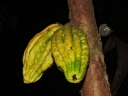
StrataMediumLifecycleClimaxMaturity4-5 yearsLifespan20-30 yearsFunctionFoodSpacing5-10 m
Myrtaceae
Pimenta racemosa
Bay Rum Tree
Bayron
₡6,500In stock
0
CaribbeanZone 10-12Food
Habit
Evergreen Tree
Height
15.00 m
Cultivation Status
Cultivated, Ornamental, Wild

Native range: Northern S. America - Venezuela; Caribbean - Trinidad to Cuba.

A plant of lowland tropical areas, where it is found at elevations up to 750 metres. It grows best in areas where the mean annual temperate is within the range 22 - 28°c, but can tolerate 18 - 32°c. It can tolerate occasional very light frosts, the leaves being damaged at temperatures of -1°c, and limbs being killed at -3°c. It prefers a mean annual rainfall of 1,400 - 2,000mm, but can tolerate 700 - 2,800mm. Prefers an annual rainfall of 2,500mm evenly distributed over the year with few months with less than 200 mm rainfall, although natural stands occur in areas with only 750 mm annual rainfall. Although trees grow well with 1,250 - 1,500mm annual rainfall, regrowth following pruning is too slow for commercial plantations to be profitable. Prefers a sunny position, succeeding in most soils that are well-drained. Growth is best on deep fertile loamy soils with a slightly acid to neutral pH, but most plantations are on marginal soils on slopes, better soils being allocated to food crops. Prefers a pH in the range 5 - 6, tolerating 4.5 - 7. After planting, young plants require protection from direct sunlight until they are well established. Topped seedlings often produce several main shoots. Two main shoots are sometimes retained, since experience has shown that foliage yield is higher than from single-stemmed trees. After 2 - 3 years, the trees are topped at 3 - 5 metres and are maintained at that height. Trees coppice well - misshapen or diseased trees can be cut back to ground level, allowing a new shoot to grow from the stump. Well managed groves are harvested once a year or 3 times in 4 years. The harvesting interval depends more on the age of the leaves than on the rate of regrowth. Leaves are shed after 2 - 3 years, so a harvesting interval longer than 2 years may result in reduced yields. Harvesting can be done year-round, though dry periods are preferred. It is not clear whether the higher yield during this period is due to a higher leaf oil content or to a higher proportion of mature leaves. Leaf yield in established groves may vary between 8 - 35 t/ha (with an oil content of 1 - 3.5%). The life of plantations is indeterminate, as trees regenerate from stumps, but the effect of regular harvesting on the life expectancy is not known. Individual trees of 50 years old are known. A variable plant, with several varieties being recognized. The var grisea yields a very inferior essential oil that, if combined with other varieties, can have a very negative effect on oil quality. Care should be taken to remove any spontaneous seedlings that do not yield commercially acceptable bay leaf oil.

Planta de áreas tropicales bajas, encontrada a elevaciones hasta 750 metros. Crece mejor en zonas con temperatura media anual entre 22-28°C, pero tolera 18-32°C. Puede tolerar heladas muy ligeras ocasionales; las hojas se dañan a -1°C y las ramas mueren a -3°C. Prefiere precipitación anual media de 1,400-2,000mm, pero tolera 700-2,800mm. Ideal con 2,500mm anuales bien distribuidos, aunque prospera con tan solo 750mm. Los árboles crecen bien con 1,250-1,500mm anuales, pero la regeneración es lenta para plantaciones comerciales. Prefiere posición soleada y suelos bien drenados. Crecimiento óptimo en suelos profundos, fértiles y limosos, ligeramente ácidos a neutros (pH 5-6, tolerando 4.5-7). Las plantas jóvenes requieren protección del sol directo hasta establecerse. Las plantas despuntadas producen varios tallos principales; a veces se retienen dos por mayor rendimiento foliar. Después de 2-3 años, se despuntan a 3-5 metros de altura. Los árboles rebrotan bien; los malformados o enfermos pueden cortarse al ras permitiendo nuevo crecimiento. Huertos bien manejados se cosechan anualmente o 3 veces cada 4 años. El intervalo depende más de la edad de las hojas que de la velocidad de regeneración. Las hojas caen después de 2-3 años. La cosecha puede ser todo el año, aunque se prefieren períodos secos. El rendimiento de hojas en huertos establecidos varía entre 8-35 t/ha (contenido de aceite 1-3.5%). Planta variable con varias variedades reconocidas. La variedad grisea produce aceite esencial muy inferior. Deben removerse plántulas espontáneas que no produzcan aceite comercialmente aceptable.

The aromatic fruits, bark, and especially the leaves, are processed for use as a spice. The leaves are used as a spice in cooking. The dried green berries have a spicy flavour with hints of cinnamon, clove and nutmeg and are used as a spice. The red-brown to black fruit is a fleshy, subglobose to ellipsoid berry, 8 - 12mm long with 1 - 3 seeds. The leaves are used to make an aromatic tea.

Los frutos aromáticos, corteza y especialmente las hojas se procesan como especia. Las hojas se usan como condimento en la cocina. Las bayas verdes secas tienen sabor especiado con notas de canela, clavo y nuez moscada, usadas como especia. El fruto rojo-marrón a negro es una baya carnuda, subglobosa a elipsoide, de 8-12mm de largo con 1-3 semillas. Las hojas se usan para preparar té aromático.

Bay rum tree has many uses in traditional medicine, mostly based on the antibiotic properties of the phenols in the essential oil. Bay Rum (the leaves distilled in rum) has been used in folk medicine for treating sore muscles, strains, and sprains. A tea from the leaves is drunk as a stimulant and as a treatment for flatulence, colds and fever. The essential oil from the leaves is used as a remedy for stomach pains, and is applied externally to treat skin diseases.

El árbol de bay rum tiene muchos usos en medicina tradicional, principalmente basados en las propiedades antibióticas de los fenoles en el aceite esencial. Bay Rum (hojas destiladas en ron) se ha usado en medicina folclórica para tratar músculos adoloridos, distensiones y esguinces. Un té de hojas se bebe como estimulante y para tratar flatulencia, resfriados y fiebre. El aceite esencial de las hojas se usa como remedio para dolores estomacales y se aplica externamente para tratar enfermedades de la piel.

No data available for this section.
StrataMediumLifecycleClimaxMaturity3-4 yearsLifespan20-30 yearsFunctionFoodSpacing2-3 m

Oxalidaceae

1 plant
Oxalidaceae
Averrhoa bilimbi
Bilimbi
₡2,50012 left
0
Southeast AsiaZone 10-12Food
Habit
Evergreen Tree
Height
3.00 m
Growth Rate
Slow
Cultivation Status
Cultivated, Wild

Native range: Southeast Asia - Indonesia in the Moluccas.

A plant of the humid tropical lowlands, where it can also be found at elevations up to 1,200 metres. It grows best in areas where annual daytime temperatures are within the range 23 - 30°c, but can tolerate 10 - 36°c. Mature plants can be killed by temperatures of -3°c or lower, but young growth is severely damaged at -1°c. It prefers a mean annual rainfall in the range 1,200 - 2,300mm, but tolerates 700 - 4,000mm. The trees are found to grow well at low altitudes from sea level up to 500 metres in areas having an even distribution of rainfall throughout the year. They are also quite tolerant to dry periods, growing well when there is a 2 - 3 month dry season. The trees are very susceptible to frost injury. Prefers a position in full sun, making rather slow growth in shady or semi-shady situations. The plant thrives well on any soil type provided it is well drained. However, for best performance, it should be grown in deep, fertile, sandy loam or clay loam soils with plenty of organic matter. Grows best in a position sheltered from strong winds. Prefers a pH in the range 5.5 - 6.5, tolerating 5 - 8.3. Trees can commence cropping when 5 - 6 years old from seed. Grafted trees can commence bearing when 2 - 3 years old. A single tree can often yield many hundreds of fruits. Yields from 50 - 150 kilos per tree have been reported. Flowers and fruits are produced throughout most of the year, although there are normally one or two pronounced harvesting seasons, each about 2 months long. Flowering and fruiting occurs especially during the drier part of the year.

Planta de las tierras bajas tropicales húmedas, encontrada también hasta elevaciones de 1.200 metros. Crece mejor en áreas con temperaturas diurnas anuales entre 23-30°C, pero tolera 10-36°C. Las plantas maduras pueden ser dañadas fatalmente por temperaturas de -3°C o inferiores, mientras que el crecimiento joven sufre daños severos a -1°C. Prefiere una lluvia anual media entre 1.200-2.300mm, tolerando 700-4.000mm. Los árboles crecen bien a baja altitud desde el nivel del mar hasta 500 metros en áreas con distribución uniforme de lluvia durante todo el año. Son bastante tolerantes a períodos secos, creciendo bien con 2-3 meses de sequía. Los árboles son muy susceptibles a daño por heladas. Prefiere posición al sol pleno, haciendo crecimiento bastante lento en situaciones sombreadas o semi-sombreadas. La planta prospera en cualquier tipo de suelo siempre que esté bien drenado. Para mejor desempeño, debe cultivarse en suelos profundos y fértiles, franco arenoso o franco arcilloso con abundante materia orgánica. Crece mejor en posición protegida de vientos fuertes. Prefiere pH entre 5,5-6,5, tolerando 5-8,3. Los árboles pueden comenzar a producir a los 5-6 años desde semilla. Árboles injertados pueden dar fruto a los 2-3 años. Un solo árbol puede producir cientos de frutos. Se han reportado rendimientos de 50-150 kilos por árbol. Flores y frutos se producen durante la mayor parte del año, aunque normalmente hay una o dos temporadas de cosecha pronunciadas, cada una de aproximadamente 2 meses. La floración y fructificación ocurren especialmente durante la época más seca del año.

The fruit is occasionally eaten raw with salt or sliced thin and added to salads, though most people find it too acid and instead use it in curries, sauces etc. When ripe it is crunchy, juicy, acidic, and contains a few, flattened, non-arillate seeds. It is used extensively as a souring agent for many native dishes. It may also be processed into candies or made into chutneys, relishes and pickles306]. The fruit is a good source of vitamin C. The greenish yellow, translucent fruits are somewhat cylindrical or slightly pentagonal in shape, varying from 5 - 10cm in length. Flowers. Very acid. Made into conserves.

El fruto se come ocasionalmente crudo con sal o en rodajas delgadas agregadas a ensaladas, aunque la mayoría lo encuentra demasiado ácido y lo usa en currys, salsas, etc. Cuando está maduro es crujiente, jugoso, ácido y contiene algunas semillas aplanadas no-arilo. Se utiliza ampliamente como agente acidulante en muchos platos autóctonos. También puede procesarse en caramelos o hacerse en conservas, encurtidos y adobos. El fruto es buena fuente de vitamina C. Los frutos amarillos verdosos y translúcidos son algo cilíndricos o ligeramente pentagonales, variando de 5-10cm de largo. Flores muy ácidas. Se hacen en conservas.

The leaves can be used to cure syphilis when taken internally, either fresh or fermented. Three leaves are put in water and the liquid is drunk daily as a remedy for high blood pressure. When applied externally as a paste or poultice, the leaves prevent itching. A decoction of leaves is used to cure inflammation of the rectum and the paste is applied for mumps, rheumatism and pimples. An infusion of the flowers is used for coughs. The fruit is an astringent, stomachic and refrigerant and its juice is made into syrup as a cooling drink for reducing fever. It is antiscorbutic and is used in some slight cases of haemorrhage from the bowels as well as the stomach and internal haemorrhage. It is also used to cure beriberi, biliousness and coughs. One or two pickled fruits are eaten for controlling diarrhoea. A rotten fruit is rubbed into the skin to treat fungal diseases.

Las hojas pueden usarse para curar la sífilis cuando se toman internamente, frescas o fermentadas. Tres hojas se ponen en agua y el líquido se bebe diariamente como remedio para la presión arterial alta. Cuando se aplica externamente como pasta o cataplasma, las hojas previenen la picazón. Una decocción de hojas se usa para curar inflamación del recto y la pasta se aplica para paperas, reumatismo y granos. Una infusión de flores se usa para la tos. El fruto es astringente, estomacal y refrescante, y su jugo se hace en jarabe como bebida refrescante para reducir fiebre. Es antiescorbútico y se usa en algunos casos leves de hemorragia intestinal, estomacal e interna. También se usa para curar beriberi, biliousness y tos. Se comen uno o dos frutos en escabeche para controlar la diarrea. Se frota un fruto podrido en la piel para tratar enfermedades fúngicas.

No data available for this section.

StrataMediumLifecycleSecondary 2Maturity3-4 yearsLifespan30-50 yearsFunctionFoodSpacing3-4 m

Passifloraceae

1 plant
Passifloraceae
Passiflora spp
Osa' grenadilla
Grenadilla
No photo available
₡2,000In stock
0

No cultivation data available.

No data available for this section.

No data available for this section.

No data available for this section.

StrataLifecycleMaturityLifespanFunctionSpacing

Phytolaccaceae

1 plant
Phytolaccaceae
Trichostigma octandrum
Hoopvine
bejuco canesta
No photo available
₡2,000In stock
0
Support

No cultivation data available.

No data available for this section.

No data available for this section.

No data available for this section.

StrataMediumLifecycleSecondary 1Maturity2-3 yearsLifespan10-15 yearsFunctionSupportSpacing

Piperaceae

1 plant
Piperaceae
Piper nigrum
Black Pepper
Pimienta negra
₡33,500In stock
0
South AsiaZone 10-12Food
Habit
Climber
Height
6.00 m
Self-fertile
Yes
Cultivation Status
Cultivated, Wild

Native range: E. Asia - Indian Subcontinent.

Piper nigrum is a plant of the hot and humid lowland tropics, where it grows best at elevations up to 500 metres, but can be grown up to 2,000 metres. It grows best in areas where annual daytime temperatures are within the range 22 - 35°c, but can tolerate 10 - 40°c. It prefers a mean annual rainfall in the range 2,500 - 4,000mm, but tolerates 2,000 - 5,500mm. Grows best in sheltered positions in semi-shade. Prefers a neutral soil rich in organic matter. Prefers a pH in the range 6 - 7, tolerating 5 - 7.5. Level ground is most suitable for the production of pepper, provided there is no flooding, but it is often grown in rolling country or on hill slopes of varying steepness. The plant begins to bear in 3 - 4 years, can reach full production after 7 years and has an economic life of about 12 - 20 years. Optimum yields at low capital input are 6 tonnes per hectare of the unprocessed (green) peppers; 2 tonnes of the sundried (black) peppers; or 1.67 tonnes of the washed and dried (white) peppers. In gardens with higher inputs, yields may be 8 - 9 tonnes of green pepper in the first harvest and 12 - 20 tonnes in the sixth or seventh harvest. The root system can be 4 metres or more deep.

Piper nigrum es una planta de los trópicos bajos cálidos y húmedos, que crece mejor a elevaciones de hasta 500 metros, aunque puede cultivarse hasta 2,000 metros. Crece mejor en áreas donde las temperaturas diurnas anuales están en el rango de 22-35°C, pero tolera 10-40°C. Prefiere una precipitación anual media entre 2,500-4,000mm, tolerando 2,000-5,500mm. Crece mejor en posiciones resguardadas en semiSombra. Prefiere suelo neutro rico en materia orgánica. Prefiere un pH entre 6-7, tolerando 5-7.5. El terreno plano es más apropiado para la producción de pimienta, siempre que no haya inundaciones, aunque a menudo se cultiva en terrenos ondulados o en laderas de variada pendiente. La planta comienza a producir en 3-4 años, alcanza plena producción después de 7 años y tiene una vida económica de aproximadamente 12-20 años. Los rendimientos óptimos con bajo capital inicial son 6 toneladas por hectárea de pimientas verdes sin procesar; 2 toneladas de pimientas negras secadas al sol; o 1.67 toneladas de pimientas blancas lavadas y secadas. En huertos con mayores inversiones, los rendimientos pueden ser 8-9 toneladas de pimienta verde en la primera cosecha y 12-20 toneladas en la sexta o séptima cosecha. El sistema radicular puede alcanzar 4 metros o más de profundidad.

The pungent fruits, known as peppercorns, are dried, ground into a powder known as black pepper, and used as a condiment. A hot flavour. The globose, red fruit is 4 - 6mm in diameter. A milder flavoured spice, known as white pepper, can be obtained if the outer coverings of the fruit are removed. Unripe green fruits are pickled in vinegar and used as a relish. An essential oil obtained from the seed is used as a flavouring various foods.

Los frutos picantes, conocidos como granos de pimienta, se secan, se muelen en polvo conocido como pimienta negra, y se usan como condimento. Sabor picante. El fruto globoso y rojo mide 4-6mm de diámetro. Se puede obtener una especia de sabor más suave, conocida como pimienta blanca, si se retiran las cubiertas exteriores del fruto. Los frutos verdes inmaduros se encurten en vinagre y se usan como acompañamiento. Se extrae un aceite esencial de la semilla que se usa como saborizante en varios alimentos.

Black pepper fruits contain an essential oil (comprising beta-bisbolene, camphene, beta-caryophyllene and many other terpenes and sesquiterpenes), up to 9% alkaloids (especially piperine which is responsible for the acrid taste), about 11% protein and small quantities of minerals. They are a pungent, aromatic, warming herb that lowers fever, is antiseptic and improves digestion. Black pepper is regarded as a stimulating expectorant in Western and Ayurvedic medicine, and as a tranquilizing and anti-emetic in Chinese medicine. The seed is used internally to treat indigestion and wind in western herbalism. In Chinese medicine it is used as a warming herb to treat stomach chills, food poisoning, cholera, dysentery, diarrhoea and vomiting caused by cold. It is used externally in Ayurvedic medicine to treat nasal congestion, sinusitis, epilepsy and skin inflammations. The essential oil is antiseptic, antibacterial and febrifuge. It has been used to ease rheumatic pain and toothache.

Los frutos de pimienta negra contienen un aceite esencial (que comprende beta-bisboleno, canfeno, beta-cariofileno y muchos otros terpenos y sesquiterpenos), hasta 9% de alcaloides (especialmente piperina, responsable del sabor acre), aproximadamente 11% de proteína y pequeñas cantidades de minerales. Es una hierba picante, aromática y cálida que reduce la fiebre, es antiséptica y mejora la digestión. La pimienta negra se considera un expectorante estimulante en la medicina occidental y ayurvédica, y tranquilizante y antiemética en la medicina china. La semilla se usa internamente para tratar la indigestión y los gases en herbolaria occidental. En medicina china se usa como hierba cálida para tratar escalofríos estomacales, envenenamiento alimentario, cólera, disentería, diarrea y vómitos causados por el frío. Se usa externamente en medicina ayurvédica para tratar congestión nasal, sinusitis, epilepsia e inflamaciones de la piel. El aceite esencial es antiséptico, antibacteriano y febríugo. Se ha usado para aliviar dolor reumático y dolor de muelas.

No data available for this section.

📚 Porvenir Design DB
StrataLowLifecycleClimaxMaturity3-4 monthsLifespan15-20 yearsFunctionFoodSpacing1-3 m

Poaceae

3 plants
Poaceae
Cymbopogon citratus
Lemongrass
hierba de limón
₡2,500Enquire
0
Southeast AsiaZone 9-11Food
Habit
Evergreen Perennial
Height
1.50 m
Cultivation Status
Cultivated, Ornamental

Native range: A tropical plant, not known in the wild, but probably originating in Sri Lanka or Malaysia.

Cymbopogon citratus is a plant of the tropics and subtropics, where it can be found at elevations up to 1,400 metre, though it grows best below 500 metres.. It grows best in areas where annual daytime temperatures are within the range 24 - 30°c, but can tolerate 18 - 34°c. It can be killed by temperatures of 10°c or lower. It prefers a mean annual rainfall in the range 1,500 - 3,000mm, but tolerates 700 - 4,200mm. Prefers a moisture-retentive soil in full sun. Requires a well-drained soil - commercial plantations often favour sandy soils, although good growth has also been observed in Australia on a clay soil with pH 9.6 and in Sarawak on an acid peat soil. The plant tillers strongly and the number of tillers is directly correlated with the number of leaves and with oil yield. Only young, expanding leaves synthesize and accumulate essential oil. Harvesting begins when the crop is 120 - 240 days old, and the plant is subsequently harvested every 90 - 120 days. The plant has an economical life of 4 - 6 years. The average annual foliage yield is 30 - 50 tonnes per hectare, yielding 75 - 250 kg lemongrass oil (0.25 - 0.50%). Foliage yield of 100 tonnes per hectare has been achieved under optimum circumstances, and with efficient management and improved selections the oil yield can be increased to 0.4 - 0.6%. Harvesting the top parts gives an oil yield of 0.6%, while the lower parts yield only 0.15%. Fresh grass yields 0.2 - 0.4% oil, with an average yield of 50 - 120 kilos of oil/ha per annum. Yield of foliage is higher on fertile heavy soils, but under these conditions the oil usually has a lower citral content The plant seldom flowers. Lemongrass should be stored separately from other foods, or should be well wrapped, otherwise its strong scent will taint the other foods.

Cymbopogon citratus es una planta de los trópicos y subtrópicos, donde se encuentra en elevaciones de hasta 1.400 metros, aunque crece mejor por debajo de 500 metros. Crece mejor en áreas donde las temperaturas diurnas anuales están entre 24-30°C, pero tolera 18-34°C. Puede ser dañada por temperaturas de 10°C o inferiores. Prefiere una precipitación media anual entre 1.500-3.000 mm, pero tolera 700-4.200 mm. Prefiere suelos que retengan humedad en pleno sol. Requiere suelo bien drenado; las plantaciones comerciales suelen favorecer suelos arenosos, aunque se ha observado buen crecimiento en Australia en suelos arcillosos con pH 9,6 y en Sarawak en suelos turbosos ácidos. La planta produce macollas fuertes y el número de macollas se correlaciona directamente con el número de hojas y el rendimiento de aceite. Solo las hojas jóvenes en expansión sintetizan y acumulan aceite esencial. La cosecha comienza cuando el cultivo tiene 120-240 días de edad, y posteriormente se cosecha cada 90-120 días. La planta tiene una vida económica de 4-6 años. El rendimiento anual medio de follaje es de 30-50 toneladas por hectárea, produciendo 75-250 kg de aceite de limoncillo (0,25-0,50%). Se ha logrado un rendimiento de follaje de 100 toneladas por hectárea en circunstancias óptimas, y con gestión eficiente y selecciones mejoradas el rendimiento de aceite puede aumentarse a 0,4-0,6%. La cosecha de las partes superiores produce un rendimiento de aceite del 0,6%, mientras que las partes inferiores producen solo 0,15%. El pasto fresco produce 0,2-0,4% de aceite, con un rendimiento medio de 50-120 kilos de aceite/ha anuales. El rendimiento de follaje es mayor en suelos pesados fértiles, pero en estas condiciones el aceite suele tener un contenido de citral más bajo. La planta rara vez florece. El limoncillo debe almacenarse separado de otros alimentos o bien envuelto, de lo contrario su aroma fuerte contaminará otros alimentos.

The heart of the young shoots is eaten as a vegetable with rice. The basal portions of the leafy shoots have a delicious lemon-like aroma and are used as a flavouring in soups, sauces and curries. Particularly popular in southeast Asia, they are added to spicy sauces such as 'sambal goreng' and 'sambal petis' and to cooked fish and fish sauces. Older leaves can be cooked with other foods in order to impart their lemon-like flavour. They are removed before serving. A refreshing tea can be brewed from the leaves. It can be served hot or cold. It can be sweetened with sugar. The essential oil is used as a flavouring in the food industry in soft drinks and various foods.

El corazón de los brotes jóvenes se come como verdura con arroz. Las porciones basales de los brotes foliosos tienen un aroma delicioso similar al limón y se utilizan como saborizante en sopas, salsas y curris. Particularmente popular en el sudeste asiático, se añaden a salsas picantes como 'sambal goreng' y 'sambal petis' y a pescado cocido y salsas de pescado. Las hojas más viejas pueden cocinarse con otros alimentos para impartir su sabor a limón. Se retiran antes de servir. Se puede preparar un té refrescante con las hojas. Se puede servir caliente o frío. Puede endulzarse con azúcar. El aceite esencial se utiliza como saborizante en la industria alimentaria en bebidas refrescantes y diversos alimentos.

Lemon grass is a bitter, aromatic, cooling herb that increases perspiration and relieves spasms. The essential oil obtained from the plant is an effective antifungal and antibacterial. The essential oil contains about 70% citral, plus citronellal - both of these are markedly sedative. Internally, the plant is used principally as a tea in the treatment of digestive problems, where it relaxes the muscles of the stomach and gut, relieving cramping pains and flatulence. It is particularly useful for children, for whom it is also used to treat minor feverish illnesses. Externally, especially in the form of the extracted essential oil, the plant is a very effective treatment for a range of skin conditions including athlete's foot, ringworm, lice and scabies. It is also applied to ease the pain of arthritic joints.

El limoncillo es una hierba amarga, aromática y refrescante que aumenta la transpiración y alivia los espasmos. El aceite esencial obtenido de la planta es un antifúngico y antibacteriano efectivo. El aceite esencial contiene aproximadamente 70% de citral, más citronelal, ambos marcadamente sedantes. Internamente, la planta se utiliza principalmente como té en el tratamiento de problemas digestivos, donde relaja los músculos del estómago e intestinos, aliviando calambres y flatulencias. Es particularmente útil para niños, para quienes también se utiliza en el tratamiento de enfermedades febriles menores. Externamente, especialmente en forma de aceite esencial extraído, la planta es un tratamiento muy efectivo para una serie de condiciones de la piel incluyendo pie de atleta, tiña, piojos y sarna. También se aplica para aliviar el dolor de las articulaciones artríticas.

A good soil conditioner in worn out land. The plants quickly produce a bulk of organic material which soon rots down, attracting worms and other beneficial creatures and quickly enriching the soil. A row of lemongrass plants can be used as a divider in the garden - it can help to contain more invasive plants such as sweet potato, and also as a barrier to prevent weeds growing into the garden. The grass is useful for soil improvement and erosion control.

Un buen acondicionador de suelo en tierras desgastadas. Las plantas producen rápidamente una gran cantidad de materia orgánica que se descompone pronto, atrayendo gusanos y otras criaturas beneficiosas y enriqueciendo rápidamente el suelo. Una hilera de plantas de limoncillo puede usarse como divisor en el jardín; puede ayudar a contener plantas más invasivas como la batata, y también como barrera para prevenir que las malezas crezcan en el jardín. El pasto es útil para la mejora del suelo y el control de la erosión.

StrataMediumLifecycleSecondary 1Maturity3-4 monthsLifespan3-5 yearsFunctionFoodSpacing50 cm - 1 m
Poaceae
Cymbopogon martinii
Palmarosa
No photo available
₡4,0002 left
0
IndiaZone 9-11Food

No cultivation data available.

No data available for this section.

No data available for this section.

No data available for this section.

StrataMediumLifecycleSecondary 1Maturity6-12 monthsLifespan3-5 yearsFunctionFoodSpacing50 cm
Poaceae
Cymbopogon nardus
Citronella
Citronela
₡2,500Enquire
0
Southeast AsiaZone 9-11Food
Habit
Evergreen Perennial
Height
2.00 m
Cultivation Status
Cultivated, Wild

Native range: Eastern Africa - Sudan to S. Africa; E. Asia - India, Sri Lanka.

A plant of the moist, lowland tropics, where it is found at elevations up to 1,500 metres. It grows best in areas where annual daytime temperatures are within the range 20 - 30°c, but can tolerate 16 - 36°c. It prefers a mean annual rainfall in the range 1,300 - 2,000mm, but tolerates 750 - 4,100mm. Prefers a moisture-retentive soil in full sun. Prefers a pH in the range 4.5 - 6, tolerating 4 - 8. A first harvest of the leaves for essential oils can be obtained after about 240 days; the plant can then be harvested every 90 - 120 days for about 10-15 years. Lemongrass should be stored separately from other foods, or should be well wrapped, otherwise its strong scent will taint the other foods.

Planta de los trópicos húmedos de tierras bajas, encontrada a elevaciones hasta 1.500 metros. Crece mejor en áreas donde las temperaturas diurnas anuales están entre 20-30°C, pero tolera 16-36°C. Prefiere una precipitación anual media entre 1.300-2.000mm, tolerando 750-4.100mm. Prefiere suelo que retenga humedad en pleno sol. pH preferido entre 4,5-6, tolerando 4-8. Se puede obtener la primera cosecha de hojas para aceites esenciales después de aproximadamente 240 días; la planta puede cosecharse cada 90-120 días durante unos 10-15 años. El limoncillo debe almacenarse separado de otros alimentos o bien envuelto, de lo contrario su aroma fuerte contaminará otros alimentos.

The leaves are used as a flavouring in curries, soups etc. The white centre of the succulent stems is used to impart a flavour to curries. An aromatic tea can be obtained from the leaves. An essential oil is obtained from the plant. This oil contains geraniol, citral and citronellal. It is much used by the food industry to flavour a wide range of foods. Citral can be used to imitate apple, lemon, strawberry and vanilla flavours.

Las hojas se utilizan como saborizante en curries, sopas, etc. El centro blanco de los tallos suculentos se usa para dar sabor a curries. Se obtiene un té aromático de las hojas. Se obtiene un aceite esencial de la planta. Este aceite contiene geraniol, citral y citronelal. Es ampliamente utilizado por la industria alimentaria para saborizar una amplia gama de alimentos. El citral puede usarse para imitar sabores de manzana, limón, fresa y vainilla.

The leaves are antispasmodic, diaphoretic, digestive and stimulant. An infusion of the leaves is used to treat diarrhoea spasms. An infusion of the leaves, with alcoholic spirits or sweet spirits of nitre, is used to treat colds.

Las hojas son antiespasmódicas, diaforéticas, digestivas y estimulantes. Una infusión de las hojas se utiliza para tratar diarrea y espasmos. Una infusión de las hojas, con alcoholes o espíritus dulces de nitro, se utiliza para tratar resfriados.

No data available for this section.

StrataMediumLifecycleSecondary 1Maturity3-4 monthsLifespan15-20 yearsFunctionFoodSpacing50 cm - 1 m

Rubiaceae

8 plants
Rubiaceae
Borojoa patinoi
Borojo
Borojó
₡2,500In stock
0
South AmericaZone 10-12Food
Habit
Evergreen Tree
Height
8.00 m
Cultivation Status
Cultivated, Wild

Native range: Northwestern S. America - Colombia and Brazil, north through Central America to Nicaragua.

A plant of warm tropical lowlands usually at elevations up to 700 metres, but sometimes to 1,200 metres. It grows best in areas where annual daytime temperatures fall within the range 20 - 28°c, though it can tolerate 15 - 32°c. Temperatures in its native region may reach up to an absolute maximum of 41°c. It prefers a mean annual rainfall in the range 3,000 - 6,000mm, tolerating 2,500 - 9,000mm. It thrives with high air humidity average up to almost 90%. Succeeds in heavy soils. Prefers a pH in the range 4.5 - 6.5, tolerating 4 - 7. The fruit takes more than one year to ripen after flowering. A dioecious species, both male and female forms need to be grown if fruit and seed are required.

Planta de tierras bajas tropicales cálidas, generalmente hasta 700 metros de elevación, aunque ocasionalmente hasta 1.200 metros. Crece mejor en áreas donde las temperaturas diurnas anuales oscilan entre 20-28°C, aunque tolera 15-32°C. Las temperaturas en su región nativa pueden alcanzar un máximo absoluto de 41°C. Prefiere una precipitación anual media entre 3.000-6.000 mm, tolerando 2.500-9.000 mm. Prospera con alta humedad del aire, promediando casi 90%. Se desarrolla bien en suelos pesados. Prefiere un pH entre 4,5-6,5, tolerando 4-7. El fruto tarda más de un año en madurar después de la floración. Especie dioica; se deben cultivar ambas formas, masculina y femenina, si se desean frutos y semillas.

Fruit - eaten raw or made into jellies, preserves, sauces, ice cream etc. A sweet, aromatic flavour with some bitterness. The green to brown fruit is 7 - 12 cm in diameter with a brown pulp that is very acid and dense. The fruit pulp is used to prepare juice (jugo del amor), compotes, marmalades, candies and wine.

Fruto - se consume fresco o se prepara en mermeladas, conservas, salsas, helado, etc. Sabor dulce y aromático con cierto amargor. El fruto de color verde a marrón mide 7-12 cm de diámetro con pulpa marrón muy ácida y densa. La pulpa se utiliza para preparar jugo (jugo del amor), compotas, mermeladas, dulces y vino.

The fruit is prized for its tonic and cure-all qualities. It is famous in western Colombia for its supposed aphrodisiac properties.

El fruto es valorado por sus propiedades tónicas y curativas. Es famoso en el occidente de Colombia por sus supuestas propiedades afrodisíacas.

No data available for this section.

StrataLowLifecycleClimaxMaturity3-4 yearsLifespan10-20 yearsFunctionFoodSpacing1-2 m
Rubiaceae
Coffea arabica
Coffee
Café arábigo
₡8,000In stock
0
AfricaZone 10-12Food
Habit
Evergreen Shrub
Height
7.00 m
Growth Rate
Medium
Self-fertile
Yes
Pollinators
Bees, Self
Cultivation Status
Cultivated, Ornamental, Wild

Native range: Africa - Tropical regions in the northeast.

In equatorial regions, the plant can be grown at elevations from 1,300 to 2,800 metres, with 1,500 - 1,900 metres being most common. The minimum elevation reduces to about 500 metres at a latitude around 15°N or S, whilst in the subtropics it can be grown from sea level to 1,000 metres. It grows best in areas where annual daytime temperatures are within the range 14 - 28°c, but can tolerate 10 - 34°c. It prefers a mean annual rainfall in the range 1,400 - 2,300mm, but tolerates 750 - 4,200mm. With too much rainfall the plant tends to develop wood at the expense of flowers and fruits. One to 2 months of less than 50mm rain facilitates uniform flowering. Heavy rain during and after harvest is not desirable. Prefers a position in light shade. Shading improves leaf and shoot growth but reduces root growth. Prefers a deep friable soil on undulating land. Plants are unsuited to stiff clay or sandy soils, but are considered tolerant of acid soils. Prefers a pH in the range 5.5 - 7, tolerating 4.3 - 8.4. Plants can begin to bear within 2 - 3 years and are in full bearing at the age of 6 - 8 years. The optimum yield of clean dry coffee beans is 2- 3 tonnes/ha, which has been obtained in Kenya. The average yields are about 0.5 tonnes/ha in Brazil and 0.9 tonnes/ha in Africa. Coffee plants can produce economic yields for 30 - 40 years on average, though this can vary from 10 - 70 years and plants of 80 - 100 years are known. The plant is tetraploid, and over 30 mutations have been recognized. In the bisexual flowers, pollen is shed shortly after the flower opens, and the stigma is receptive immediately. Self-pollination can occur, as seed sets even when the flowers are bagged. Pollination is also by honeybees, which collect nectar and pollen from the flowers.

En regiones ecuatoriales, la planta puede cultivarse a altitudes de 1.300 a 2.800 metros, siendo más común entre 1.500 y 1.900 metros. La altitud mínima se reduce a unos 500 metros en latitudes alrededor de 15°N o S, mientras que en las subtrópicos puede cultivarse desde el nivel del mar hasta 1.000 metros. Crece mejor en áreas donde las temperaturas diurnas anuales oscilan entre 14 y 28°C, pero tolera 10 a 34°C. Prefiere una precipitación anual media de 1.400 a 2.300 mm, pero tolera 750 a 4.200 mm. Con demasiada lluvia, la planta tiende a desarrollar madera a expensas de flores y frutos. Uno o 2 meses con menos de 50 mm de lluvia facilita una floración uniforme. Las lluvias intensas durante y después de la cosecha no son deseables. Prefiere una posición en semisombra. El sombreado mejora el crecimiento de hojas y brotes pero reduce el crecimiento de raíces. Prefiere suelos profundos y friables en terrenos ondulados. Las plantas no son adecuadas para suelos arcillosos rígidos o arenosos, pero se consideran tolerantes a suelos ácidos. Prefiere un pH entre 5,5 y 7, tolerando 4,3 a 8,4. Las plantas pueden comenzar a producir dentro de 2 a 3 años y alcanzan plena producción a los 6 a 8 años. El rendimiento óptimo de granos de café secos limpios es de 2 a 3 toneladas/ha, logrado en Kenia. Los rendimientos promedio son de unos 0,5 toneladas/ha en Brasil y 0,9 toneladas/ha en África. Las plantas de café pueden producir rendimientos económicos durante 30 a 40 años en promedio, aunque esto puede variar de 10 a 70 años, y se conocen plantas de 80 a 100 años. La planta es tetraploide y se han reconocido más de 30 mutaciones. En las flores bisexuales, el polen se libera poco después de que la flor se abre, y el estigma es receptivo inmediatamente. Puede ocurrir autopolinización, ya que se produce semilla incluso cuando las flores están embolsadas. La polinización también ocurre por abejas melíferas, que recolectan néctar y polen de las flores.

The dried seeds ('beans') are roasted, ground, and brewed to make one of the two most popular beverages in the world. Coffee is widely used as flavouring in ice cream, pastries, candies, and liqueurs. The seed has been used as a masticatory since ancient times. Cooked in butter, it can be used to make rich flat cakes. An extract from the seeds is used as a flavouring in ice cream etc. The dried, roasted green seeds have been used as an appetizer, whilst chocolate-covered roasted seeds are used as a gourmet snack. The red fruits and leaves are chewed for their stimulating properties. Leaves - cooked. The cooked leaves have a strong brown colour, a good texture and a rather neutral flavour with only a hint of bitterness. The leaves contain more caffeine than the fruit and are sometimes used as a tea substitute.

Los granos secos se tuestan, muelen y preparan en infusión para hacer una de las dos bebidas más populares del mundo. El café se utiliza ampliamente como saborizante en helados, pasteles, caramelos y licores. La semilla se ha usado como masticatorio desde tiempos antiguos. Cocida en mantequilla, puede usarse para hacer pasteles planos ricos. Un extracto de las semillas se usa como saborizante en helados, etc. Los granos verdes secos y tostados se han usado como aperitivo, mientras que los granos tostados cubiertos de chocolate se usan como un aperitivo gourmet. Los frutos rojos y las hojas se mastican por sus propiedades estimulantes. Hojas - cocidas. Las hojas cocidas tienen un color marrón intenso, una buena textura y un sabor bastante neutro con solo un toque de amargura. Las hojas contienen más cafeína que el fruto y a veces se usan como sustituto del té.

The seed contains caffeine, a widely used stimulant that is also used in proprietary painkillers to potentiate the effect of aspirin and paracetamol. It also contains the stimulants theobromine and theophylline, as well as chlorogenic acid, which is stimulant and diuretic as well as a known allergen.The seed is a bitter, aromatic, stimulant herb that has diuretic effects and controls vomiting. It is reported to be analgesic, an aphrodisiac, anorexic, antidotal, cardiotonic, CNS-stimulant, counterirritant, diuretic, hypnotic, galactagogue and nervine. Whilst not usually recognised as a medical herb, coffee is a highly effective general stimulant, having a particular effect upon the central nervous system, improving perception and physical performance. It has been found of help in some cases of headache or migraine. An enema made using coffee beans is an effective cleanser for the large bowel. Coffee is a folk remedy for asthma, atropine poisoning, fever, flu, headache, jaundice, malaria, migraine, narcosis, nephrosis, opium poisoning, sores and vertigo.

La semilla contiene cafeína, un estimulante ampliamente utilizado que también se usa en analgésicos patentados para potenciar el efecto de la aspirina y el paracetamol. También contiene los estimulantes teobromina y teofilina, así como ácido clorogénico, que es estimulante y diurético además de un alérgeno conocido. La semilla es una hierba amarga, aromática y estimulante que tiene efectos diuréticos y controla los vómitos. Se ha informado que es analgésica, afrodisíaca, anorexígena, antidotal, cardiotónica, estimulante del SNC, contrairritante, diurética, hipnótica, galactagoga y nerviosa. Aunque no se reconoce habitualmente como hierba medicinal, el café es un estimulante general altamente efectivo, con un efecto particular sobre el sistema nervioso central, mejorando la percepción y el rendimiento físico. Se ha encontrado útil en algunos casos de dolor de cabeza o migraña. Un enema hecho con granos de café es un limpiador efectivo para el intestino grueso. El café es un remedio popular para el asma, el envenenamiento por atropina, la fiebre, la gripe, el dolor de cabeza, la ictericia, la malaria, la migraña, la narcosis, la nefrosis, el envenenamiento por opio, las llagas y el vértigo.

The plant is often intercropped with food crops, such as corn, beans or rice, during the first few years of growth.

La planta se intercultiva frecuentemente con cultivos alimentarios, como maíz, frijoles o arroz, durante los primeros años de crecimiento.

StrataLowLifecycleClimaxMaturity3-4 yearsLifespan30-50 yearsFunctionFoodSpacing1-2 m
Rubiaceae
Coffea liberica
Coffee
Café Libérico
₡5,500In stock
0
Food
Habit
Evergreen Shrub
Height
20.00 m
Self-fertile
No
Cultivation Status
Cultivated, Wild

Native range: Tropical west and central Africa.

Liberian coffee is a plant of the humid, lowland tropics, where it performs better than arabica and robusta coffees. It is found at elevations up to 600 metres. It grows best in areas where annual daytime temperatures are within the range 24 - 30°c, but can tolerate 18 0 36°c. It can be killed by temperatures of 5°c or lower. It prefers a mean annual rainfall in the range 1,600 - 2,400mm, but tolerates 1,100 - 3,500mm. Plants grow best under light shade, on well-drained clayey to sandy soils, although it is generally grown in full sunlight in Malaysia. Plants are tolerant of acid and poor soils - they have been known to grow successfully on alluvial muck soils with a pH of about 4.0. Prefers a pH in the range 5.3 - 6.2, tolerating 4.3 - 8. Established plants, especially from the 'Excelsa' group of cultivars, are drought tolerant. Plants are intolerant of waterlogged soils. The first fruits are produced 2 - 3 years after planting out in the field. After 5 - 6 years the plants are in full bearing. The economic life span of a plant is about 25 - 30 years. Flowering and fruiting may take place throughout the year, but flowering is triggered by heavy showers; the flower buds grow to a certain size and then rest until stimulated by continued water stress and rapid rehydration, resulting in simultaneous blooming. The species is self-incompatible. Fruit maturation takes 10 - 12 months, depending on the locality The weight of dry 'green beans' is about 10% of that of fresh fruits. Annual yields of 750 - 900, occasionally to 1,100 kg/ha of green beans can be obtained from well-maintained holdings. Improved cultivars have a potential annual yield of 1.7 t/ha and selected clones even 2.1 - 2.3 t/ha. This is a complex species that has often been treated as a number of distinct species in the past. Indeed, there is still debate amongst botanists as to whether it should be treated as two distinct species. From the growers point of view, however, there are clear differences between the two groups. The complex is here treated as one species with two main varieties:- var dewevrei (De Wild. & T. Durand) Lebrun. Known as 'Excelsa coffee', from the growers viewpoint this differs in being more drought tolerant and having a smaller fruit up to 20mm x 16mm. Var liberica. Known as 'Liberian coffee'. The fruit is up to 25mm x 21mm, has a thicker, more leathery pericarp and is often more tapered towards the base Although this species contributes only about 1% to total world coffee production, it is grown more extensively in southeast Asia with 80% of coffee production in Malaysia being of this species, for example, and about 25% in the Philippines.

El café de Liberia es una planta de los trópicos húmedos y bajos, donde se desempeña mejor que los cafés arábica y robusta. Se encuentra en elevaciones de hasta 600 metros. Crece mejor en áreas donde las temperaturas diurnas anuales están entre 24-30°C, pero puede tolerar 18-36°C. Puede ser dañado por temperaturas de 5°C o inferiores. Prefiere una precipitación anual media entre 1.600-2.400 mm, aunque tolera 1.100-3.500 mm. Las plantas crecen mejor bajo sombra ligera, en suelos arcillosos bien drenados o arenosos, aunque generalmente se cultiva a pleno sol en Malasia. Son tolerantes a suelos ácidos y pobres, habiendo crecido exitosamente en suelos de limo aluvial con pH alrededor de 4,0. Prefiere un pH entre 5,3-6,2, tolerando 4,3-8. Las plantas establecidas, especialmente del grupo de cultivares 'Excelsa', son tolerantes a la sequía. Son intolerantes a suelos encharcados. Los primeros frutos se producen 2-3 años después de la siembra en campo. Después de 5-6 años, las plantas están en plena producción. La vida económica de una planta es aproximadamente 25-30 años. La floración y fructificación pueden ocurrir durante todo el año, pero la floración se desencadena por lluvias intensas. Los rendimientos anuales de 750-900, ocasionalmente hasta 1.100 kg/ha de grano verde pueden obtenerse de plantaciones bien mantenidas. Los cultivares mejorados tienen un potencial de rendimiento anual de 1,7 t/ha y clones seleccionados incluso de 2,1-2,3 t/ha. Especie compleja que históricamente ha sido tratada como varias especies distintas. Se presenta como una especie con dos variedades principales: var. dewevrei, conocida como 'café Excelsa', más tolerante a la sequía con frutos más pequeños; y var. liberica, conocida como 'café de Liberia', con frutos más grandes y pericarpio más grueso y coriáceo. Aunque contribuye solo el 1% de la producción mundial de café, se cultiva extensamente en Asia Suroriental.

The roasted, powdered seed is used to make the well-known drink coffee. That made from this species has a more bitter taste than that of the well-known arabica or robusta coffees. The taste of excelsa coffee, which originates from a botanical variety of this species, is less bitter than that of true Liberian coffee. On a dry matter basis the beans contain about 0.5 - 1.8% of caffeine.

La semilla tostada y molida se utiliza para preparar la bebida de café bien conocida. La del café de Liberia tiene un sabor más amargo que la del café arábica o robusta. El sabor del café excelsa, que proviene de una variedad botánica de esta especie, es menos amargo que el del verdadero café de Liberia. Los granos contienen aproximadamente 0,5-1,8% de cafeína en base a materia seca.

The leaves are used to treat headaches and sore eyes.

Las hojas se utilizan para tratar dolores de cabeza y ojos irritados.

No data available for this section.

StrataHighLifecycleSecondary 2Maturity3-5 yearsLifespan50-100 yearsFunctionFoodSpacing2-3m
Rubiaceae
Coutarea hexandra
₡11,500In stock
0
Habit
Semi-deciduous Tree
Height
4.50 m
Cultivation Status
Wild

Native range: S. America - Argentina, Paraguay, Brazil, Bolivia, Peru, Ecuador, Colombia, Venezuela, the Guyanas; C. America - Panama to Mexico; Caribbean- Trinidad

Grows best in a sunny position. Prefers a moist soil.

Crece mejor en una posición soleada. Prefiere suelos húmedos.

None known

The stem bark is bitter, febrifuge, stomachic and tonic. A decoction of the grated bark is used as a treatment for malaria, fevers and vomiting. The bark can be used as a substitute for quinine (Cinchona spp.) when treating malaria, and is also used for treating swamp fever. The root bark is mixed in a decoction with stem bark and then used as an antidiabetic and vermifuge. The plant is a rich source of neoflavonoids and their glycosides. One of the compounds in the plant has been shown to exert a relaxing effect upon the trachea. The plant extract has been shown to be antiinflammatory.

La corteza del tallo es amarga, febrífuga, estomacal y tónica. Una decocción de la corteza rallada se utiliza para tratar la malaria, fiebres y vómitos. La corteza puede usarse como sustituto de la quinina (Cinchona spp.) en el tratamiento de la malaria, y también se utiliza para tratar la fiebre palúdica. La corteza de la raíz se mezcla en una decocción con corteza de tallo y se utiliza como antidiabética y vermífuga. La planta es una fuente rica de neoflavonoides y sus glucósidos. Se ha demostrado que uno de los compuestos de la planta ejerce un efecto relajante en la tráquea. El extracto de la planta ha demostrado ser antiinflamatorio.

No data available for this section.

StrataMediumLifecycleClimaxMaturityLifespanFunctionSpacing
Rubiaceae
Coutarea hexandra
Coutarea
₡7,50014 left
0
Wood
Habit
Semi-deciduous Tree
Height
4.50 m
Cultivation Status
Wild

Native range: S. America - Argentina, Paraguay, Brazil, Bolivia, Peru, Ecuador, Colombia, Venezuela, the Guyanas; C. America - Panama to Mexico; Caribbean- Trinidad

Grows best in a sunny position. Prefers a moist soil.

Crece mejor en una posición soleada. Prefiere suelos húmedos.

None known

The stem bark is bitter, febrifuge, stomachic and tonic. A decoction of the grated bark is used as a treatment for malaria, fevers and vomiting. The bark can be used as a substitute for quinine (Cinchona spp.) when treating malaria, and is also used for treating swamp fever. The root bark is mixed in a decoction with stem bark and then used as an antidiabetic and vermifuge. The plant is a rich source of neoflavonoids and their glycosides. One of the compounds in the plant has been shown to exert a relaxing effect upon the trachea. The plant extract has been shown to be antiinflammatory.

La corteza del tallo es amarga, febrífuga, estomacal y tónica. Una decocción de la corteza rallada se utiliza para tratar la malaria, fiebres y vómitos. La corteza puede usarse como sustituto de la quinina (Cinchona spp.) en el tratamiento de la malaria, y también se utiliza para tratar la fiebre palúdica. La corteza de la raíz se mezcla en una decocción con corteza de tallo y se utiliza como antidiabética y vermífuga. La planta es una fuente rica de neoflavonoides y sus glucósidos. Se ha demostrado que uno de los compuestos de la planta ejerce un efecto relajante en la tráquea. El extracto de la planta ha demostrado ser antiinflamatorio.

No data available for this section.

StrataMediumLifecycleClimaxMaturity8-12 yearsLifespan50-100 yearsFunctionWoodSpacing6-8m
Rubiaceae
Hamelia patens
Firebush
₡2,500In stock
0
Central AmericaZone 9-11Support
Habit
Evergreen Shrub
Height
2.50 m
Pollinators
Humming birds
Cultivation Status
Ornamental, Wild

Native range: S. America - All countries except Uruguay, Chile; C. America - Panama to Mexico; Caribbean - Trinidad to Cuba, the Bahamas and to Florida.

The plant can flower and produce fruit all year round.

La planta puede florecer y producir frutos durante todo el año.

It is reported that the sour fruits are edible as well as medicinal. The pulp is eaten. The juicy, elliptic berries are 6 - 9mm long, containing many, minute seeds.

Se reporta que los frutos ácidos son comestibles y medicinales. Se consume la pulpa. Las bayas jugosas y elípticas miden de 6 a 9 mm de largo y contienen numerosas semillas diminutas.

The fruits and leaves have served for home remedies in some countries. The leaves and young shoots are taken in order to procure an abortion up to the third or fourth month of pregnancy.

Los frutos y las hojas se han utilizado como remedios caseros en algunos países. Las hojas y los brotes jóvenes se consumen para provocar un aborto hasta el tercero o cuarto mes de embarazo.

No data available for this section.

StrataMediumLifecycleSecondary 1Maturity3-4 yearsLifespan20-30 yearsFunctionSupportSpacing2-3 m
Rubiaceae
Psychotria viridis
Chacruna
₡9,50010 left
0
South AmericaZone 10-11Food
Habit
Evergreen Shrub
Height
3.00 m
Cultivation Status
Wild

Native range: S. America - Brazil, Bolivia, Peru, Ecuador, Colombia, Venezuela; Caribbean - Cuba, Dominican Republic, Haiti; C. America - Panama to Mexico.

Succeeds in full sun and in partial shade. Prefers a well-drained soil on the alkaline side.

Prospera en pleno sol y en sombra parcial. Prefiere un suelo bien drenado de tendencia alcalina.

None known

The leaves are often added to the hallucinogenic drink 'Ayahuasca', (which is prepared from Banisteriopsis Caapi and B. inebrians in the western Amazon) in order to 'strengthen' and 'lengthen' the effects of the drink. The leaves contain the compound N,N,-dimethyltryptamine, and this has been shown to enhance the action of the β-carboline alkaloids harmine, harmaline and tetrahydroharmine that are found in the Banisteriopsis.

Las hojas se añaden frecuentemente a la bebida alucinógena 'Ayahuasca' (preparada a partir de Banisteriopsis Caapi y B. inebrians en la Amazonia occidental) para 'fortalecer' y 'prolongar' los efectos de la bebida. Las hojas contienen el compuesto N,N-dimetiltriptamina, que ha demostrado potenciar la acción de los alcaloides β-carbolínicos harmina, harmalina y tetrahidroharmina presentes en Banisteriopsis.

No data available for this section.

📚 Porvenir Design DB
StrataLowLifecycleSecondary 2Maturity3-4 monthsLifespan20-40 yearsFunctionFoodSpacing1-2 m
Rubiaceae
Rosenbergiodendron formosum
Blackberry Jam Fruit
Granadillo
₡2,500In stock
0
South AmericaFood
Habit
Deciduous Shrub
Height
4.00 m
Self-fertile
No
Cultivation Status
Ornamental, Wild

Native range: S. America - Brazil, Peru, Ecuador, Colombia, Venezuela; C. America - Panama.

A plant of the hot, wet tropical lowlands. It can tolerate short-lived mild frosts. Succeeds in ful sun and in partial shade. Grows in acid soils. A dioecious species, both male and female forms need to be grown if fruit and seed are required.

Planta de tierras bajas tropicales cálidas y húmedas. Puede tolerar heladas leves de corta duración. Prospera a pleno sol y en sombra parcial. Crece en suelos ácidos. Especie dioica; es necesario cultivar formas masculinas y femeninas si se desea obtener frutos y semillas.

Fruit - raw or cooked. Eaten fresh or used to make jams, jellies, preserves and beverages. The sweet tasting fruits have a hard yellow shell containing a dark black pulp. They are said to have a flavour like molasses or blackberry jam. The subglobose fruits are about 3cm x 2cm.

Fruto - crudo o cocido. Se consume fresco o se utiliza para elaborar mermeladas, jaleas, conservas y bebidas. Los frutos de sabor dulce tienen una cáscara amarilla dura que contiene una pulpa negra oscura. Se dice que tienen un sabor similar a la melaza o a la mermelada de mora. Los frutos subglobosos miden aproximadamente 3 cm × 2 cm.

None known

No data available for this section.
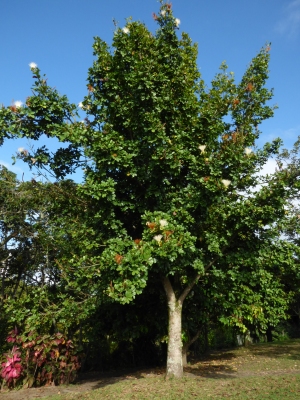
StrataMediumLifecycleSecondary 2Maturity5-8 yearsLifespan30-50 yearsFunctionFoodSpacing2-3 m

Rutaceae

4 plants
Rutaceae
Citrus × paradisi
Pink Grapefruit
No photo available
₡2,000In stock
0
BarbadosZone 9-11Food

No cultivation data available.

No data available for this section.

No data available for this section.

No data available for this section.

StrataMediumLifecycleClimaxMaturity3-5 yearsLifespan50-100 yearsFunctionFoodSpacing5-10 m
Rutaceae
Glycosmis pentaphylla
Orangeberry
₡5,00019 left
0
Food
Habit
Evergreen Tree
Height
3.00 m
Pollinators
Bees, Insects
Cultivation Status
Cultivated, Ornamental, Wild

Native range: E. Asia - China, India, Sri Lanka, Bhutan, Nepal, Myanmar, Thailand, Cambodia, Vietnam, Malaysia, Indonesia, Philippines.

A plant of low to moderate elevations in the tropics. It should be hardy to at least 0°c. Succeeds in full sun to partial shade. Prefers a fertile, moisture-retentive but well-drained medium that is rich in organic matter. The plant flowers and fruits all year round.

Planta de elevaciones bajas a moderadas en los trópicos. Debe ser resistente al menos hasta 0°C. Prospera a pleno sol o sombra parcial. Prefiere un medio fértil, que retenga humedad pero bien drenado y rico en materia orgánica. La planta florece y fructifica durante todo el año.

Fruit - raw. Sweet and fleshy. The small, translucent pink fruits have a juicy flesh and a sort of spicy, gin-like flavour. The reddish, sub-globose fruit is 8 - 10mm in diameter.

Fruto - crudo. Dulce y carnoso. Los pequeños frutos rosados traslúcidos tienen pulpa jugosa con un sabor picante similar al de la ginebra. El fruto rojizo, subgloboso mide 8-10 mm de diámetro.

The plant is often used in traditional medicine, both on its own and as an ingredient of various medicinal mixtures. Several alkaloids and amides that have been isolated from the plant are reported to have biological activities. Glycozolidol, a carbazole alkaloid isolated from the roots, is active against some gram-positive and gram-negative bacteria. Leaf and stem bark extracts have been shown to have a healing effect upon damaged liver tissue. Extracts of the root bark have been shown to exhibit significant activity in the treatment of diarrhoea. An ethanol extract was found to be more effective at lower dosages than an aqueous extract. A steam distillate of the leaves has shown high antifungal activity against Cladosporium cladosporioides, but no activity against Staphylococcus aureus or Escherichia coli. A decoction of the roots is taken to treat bilious attacks. A decoction of roots and leaves is taken for intestinal trouble. An infusion of leaves and roots is given after childbirth as a protective medicine. The leaves are considered appetitive, stomachic and an infusion of roasted leaves is prescribed for women after delivery as an appetizer. In traditional Indian medicine, the plant is used to treat diarrhoea, coughs, rheumatism, anaemia, and jaundice. Juice of the leaves is used in fever, liver complaints and as a vermifuge. A paste of the leaves, mixed with ginger, is applied for eczema and skin affections. A decoction of the roots is given for facial inflammation.

La planta se utiliza frecuentemente en la medicina tradicional, tanto sola como ingrediente de diversas mezclas medicinales. Varios alcaloides y amidas aislados de la planta reportan tener actividades biológicas. La glicozolidol, un alcaloide carbazol aislado de las raíces, es activo contra algunas bacterias grampositivas y gramnegativas. Los extractos de corteza de hoja y tallo han demostrado tener efecto cicatrizante en tejido hepático dañado. Los extractos de corteza de raíz muestran actividad significativa en el tratamiento de diarrea. Un extracto etanólico fue más efectivo a dosis menores que un extracto acuoso. Un destilado al vapor de las hojas muestra alta actividad antifúngica contra Cladosporium cladosporioides, pero sin actividad contra Staphylococcus aureus o Escherichia coli. Una decocción de raíces se toma para tratar ataques biliosos. Una decocción de raíces y hojas se toma para problemas intestinales. Una infusión de hojas y raíces se administra después del parto como medicina protectora. Las hojas se consideran aperitivas, estomacales y una infusión de hojas tostadas se prescribe para mujeres después del parto como aperitivo. En la medicina india tradicional, la planta se usa para tratar diarrea, tos, reumatismo, anemia e ictericia. El jugo de las hojas se usa en fiebre, quejas hepáticas y como vermífugo. Una pasta de hojas mezclada con jengibre se aplica para eczema y afecciones de la piel. Una decocción de raíces se administra para inflamación facial.

No data available for this section.

StrataHighLifecycleSecondary 2Maturity3-5 yearsLifespan20-40 yearsFunctionFoodSpacing3-5m
Rutaceae
Murraya koenigii
Curry Leaf Tree
Hoja de curry
₡3,000In stock
0
South AsiaZone 10-12Food
Habit
Evergreen Tree
Height
6.00 m
Growth Rate
Slow
Cultivation Status
Cultivated, Wild

Native range: E. Asia - China, Indian subcontinent, Myanmar, Thailand, Laos, Vietnam.

A plant of the moist tropics, where it is found at elevations up to 1,600 metres. It grows best in areas where annual daytime temperatures are within the range 27 - 41°c, but can tolerate 8 - 47°c. It prefers a mean annual rainfall in the range 1,400 - 1,800mm, but tolerates 500 - 2,500mm. Grows best in full sun. A very easily grown plant, succeeding in most soils and situations. Prefers a fertile, humus-rich, moisture-retentive but well-drained, light soil. Prefers a pH in the range 5.5 - 6.5, tolerating 5 - 7. Established plants are drought tolerant. Plants can sucker freely and also spreads by seeds, so it can become invasive. Due to the vigorous suckering, plants are not really very suitable for small gardens.

Planta de los trópicos húmedos, encontrada hasta elevaciones de 1,600 metros. Crece mejor en áreas donde las temperaturas diurnas anuales están entre 27-41°C, aunque tolera 8-47°C. Prefiere una precipitación anual promedio de 1,400-1,800mm, tolerando 500-2,500mm. Crece mejor a pleno sol. Planta muy fácil de cultivar, prospera en la mayoría de suelos y situaciones. Prefiere suelos fértiles, ricos en humus, con buena retención de humedad pero bien drenados y ligeros. Prefiere pH entre 5.5-6.5, tolerando 5-7. Las plantas establecidas toleran sequía. Las plantas retoñan libremente y se dispersan por semillas, pudiendo volverse invasoras. Debido al vigoroso retoñamiento, no son muy adecuadas para jardines pequeños.

Leaves - cooked. The pungent, aromatic leaves are a common ingredient in curries, chutneys, stews etc. An indispensible ingredient in southern Indian curries. The leaves retain their characteristic flavour and aroma even after drying. Another report says that the leaves are little know away from areas in which the plant is grown because the leaves lose their flavour upon being dried. Fruit - a peppery flavour. The black fruit is 8 - 10mm in diameter.

Hojas - cocidas. Las hojas pungentes y aromáticas son un ingrediente común en curries, chutneys, guisos, etc. Ingrediente indispensable en los curries del sur de India. Las hojas conservan su sabor y aroma característicos incluso después del secado. Fruto - de sabor picante. El fruto negro tiene 8-10mm de diámetro.

Curry leaf contains several medically active constituents including a glycoside called koenigin, an essential oil and tannins. It is a warming, strongly aromatic herb that improves appetite and digestion. The leaves, roots and bark can all be used internally in the treatment of digestive problems. It has been shown that the leaves increase digestive secretions and relieve nausea, indigestion and vomiting. The leaves can be used internally in treating constipation, colic and diarrhoea. The leaves are used in the treatment of diarrhoea and dysentery. The leaves can be applied externally as a poultice to treat burns and wounds. The leaves are harvested as required and used fresh. The roots and bark are harvested as required and can be used fresh or dried. The juice of the fruit, mixed with lime juice (Citrus aurantiifolia) is applied to soothe insect bites and stings. A paste made from the bark is applied to the bites of poisonous insects and other animals.

La hoja de curry contiene varios constituyentes activos médicamente, incluyendo un glucósido llamado koenigin, aceites esenciales y taninos. Es una hierba cálida y fuertemente aromática que mejora el apetito y la digestión. Las hojas, raíces y corteza pueden usarse internamente en el tratamiento de problemas digestivos. Se ha demostrado que las hojas aumentan las secreciones digestivas y alivian náuseas, indigestión y vómitos. Las hojas se usan internamente para tratar estreñimiento, cólicos y diarrea. También se usan en el tratamiento de diarrea y disentería. Las hojas pueden aplicarse externamente como cataplasma para tratar quemaduras y heridas. Se cosechan según sea necesario y se usan frescas. Las raíces y corteza se cosechan según sea necesario y pueden usarse frescas o secas. El jugo del fruto, mezclado con jugo de lima (Citrus aurantiifolia), se aplica para aliviar picaduras y aguijones de insectos. Una pasta hecha de la corteza se aplica en las mordeduras de insectos venenosos y otros animales.

Plants can be grown as a hedge.

Las plantas pueden cultivarse como seto.

StrataMediumLifecycleSecondary 2Maturity2-3 yearsLifespan10-20 yearsFunctionFoodSpacing2-3 m
Rutaceae
Ruta chalapensis
Rue
Ruda
No photo available
₡2,00011 left
0
EuropeZone 8-10Food

No cultivation data available.

No data available for this section.

No data available for this section.

No data available for this section.

📚 Porvenir Design DB
StrataLowLifecycleSecondary 1Maturity3-4 monthsLifespanFunctionFoodSpacing20-30 cm

Sapotaceae

3 plants
Sapotaceae
Pouteria caimito
Abiu
₡5,00014 left
0
South AmericaZone 10-11Food
Habit
Evergreen Tree
Height
15.00 m
Self-fertile
Yes
Cultivation Status
Cultivated, Wild

Native range: S. America - Brazil, Bolivia and Peru, north to the Caribbean and through C. America to Costa Rica.

A tree of the hot, wet, tropical lowlands, it requires a year-round moist and warm climate. Plants are intolerant of frost. Succeeds in full sun and in dappled shade. Grows well in wet soils. Prefers an acid soil. Seedling trees take up to 8 years before they start to fruit, and some are very shy fruiters. It is therefore best to propagate vegetatively from good fruiting forms. Grafted plants can fruit in 3 - 4 years. Good forms can fruit twice a year. Mature trees may produce anywhere from 100 - 1,000 fruits a year. A large tree, it is best kept pruned to about 4 metres tall in order to make fruit harvest easier. There are some named varieties. The quality of the fruits is much higher in recent selected strains. Some forms are self-fertile, though others need cross-pollination.

Árbol de las tierras bajas tropicales cálidas y húmedas que requiere un clima cálido y húmedo durante todo el año. Las plantas no toleran las heladas. Prospera a pleno sol y en sombra moteada. Crece bien en suelos húmedos y prefiere suelos ácidos. Los árboles de semilla tardan hasta 8 años en comenzar a fructificar, y algunos son productores muy tímidos. Por lo tanto, es mejor propagar vegetativamente a partir de formas de buena fructificación. Las plantas injertadas pueden fructificar en 3-4 años. Las buenas formas pueden fructificar dos veces al año. Los árboles maduros pueden producir entre 100 y 1.000 frutos anuales. Es un árbol grande que es mejor mantener podado a unos 4 metros de altura para facilitar la recolección. Existen algunas variedades nombradas. La calidad de los frutos es mucho mayor en las cepas seleccionadas recientemente. Algunas formas son autofértiles, aunque otras necesitan polinización cruzada.

The fully ripe fruit has a delicious flavour - it is eaten raw or used in sherbets and ice cream. It goes particularly well in fruit salads, especially if they contain orange slices to add acidity. A lovely bright yellow fruit with a whitish, translucent flesh that has a jelly-like consistency and a sweetish flavour. The fruit has a flavour somewhat like a rambutan. It is up to 10cm in diameter. Fruit that is not fully ripe can contain a milky latex that sticks to the lips. The fruit has a thin skin that bruises easily, so the fruit will not store for more than a few days.

El fruto completamente maduro tiene un sabor delicioso; se come crudo o se utiliza en sorbetes y helado. Combina especialmente bien en ensaladas de frutas, sobre todo si contienen rodajas de naranja para añadir acidez. Fruto de un amarillo brillante muy atractivo con pulpa blanca y translúcida de consistencia gelatinosa y sabor dulzón. El fruto tiene un sabor algo parecido al del rambután. Mide hasta 10 cm de diámetro. El fruto que no está completamente maduro puede contener un látex lechoso que se adhiere a los labios. Tiene una piel fina que se magulla fácilmente, por lo que el fruto no se conserva más de unos días.

None known

No data available for this section.

StrataHighLifecycleClimaxMaturity5-7 yearsLifespan50-100 yearsFunctionFoodSpacing3-5 m
Sapotaceae
Pouteria sapota
Mamey Sapote
Zapote
₡3,50016 left
0
Central AmericaZone 10-12Food
Habit
Evergreen Tree
Height
25.00 m
Growth Rate
Medium
Cultivation Status
Cultivated, Ornamental, Wild

Native range: C. America - Panama to Mexico.

It can succeed in the lowland moist tropics or subtropics up to elevations of 1,400 metres. In its native range, the average temperature ranges between 25 and 28°c, though good yields and fruit quality can be obtained at temperatures between 30 and 33°c. It is very intolerant of low temperatures, being quickly damaged or killed if temperatures drop much below 2°c. It grows well in areas where the mean annual rainfall varies from 800 - 2,500mm. It is very susceptible to drought. It grows well in maritime areas, where it shows good wind resistance. Prefers a rich, deep, moist soil and a position in full sun. Tolerant of a wide range of soil types, including sandy and clay soils. Requires a very well-drained soil. Tolerates a pH in the range 5 - 7. Seedling trees begin to bear fruit after 7 years or longer, whilst grafted trees begin to bear in 3 to 5 years. It takes from 13 - 24 months for fruit to reach maturity and so trees may have flowers, immature fruit and mature fruit all at the same time. The sapote is a very prolific cropper, mature trees may bear 200 to 500 fruit per year, whilst twice this amount may be obtained from large trees. There are some named varieties.

Prospera en los trópicos húmedos de tierras bajas o subtrópicos hasta elevaciones de 1,400 metros. En su área de distribución natural, la temperatura media oscila entre 25 y 28°C, aunque buenos rendimientos y calidad de frutos se obtienen entre 30 y 33°C. Es muy intolerante a bajas temperaturas, sufre daños rápidamente si descienden por debajo de 2°C. Crece bien en áreas con precipitación anual media entre 800-2,500mm. Muy susceptible a la sequía. Se desarrolla bien en zonas marítimas con buena resistencia al viento. Prefiere suelos ricos, profundos y húmedos en posición de pleno sol. Tolera amplio rango de tipos de suelo, incluidos arenosos y arcillosos. Requiere suelo muy bien drenado. Tolera pH entre 5-7. Árboles de semilla comienzan a fructificar después de 7 años o más; árboles injertados entre 3-5 años. Los frutos maduran en 13-24 meses, pudiendo tener flores, frutos inmaduros y maduros simultáneamente. Muy prolífico: árboles adultos producen 200-500 frutos anuales; árboles grandes el doble. Existen variedades seleccionadas.

The ripe fruit is eaten raw, made into sherbets, ice cream, drinks etc and can also be dried. Unripe fruits are cooked as a vegetable. The pulp of the ripe fruit is salmon-red to reddish-brown in colour, it has a firm, finely granular texture and a rich, sweet almond-like flavour. The ovoid fruit varies in size from 8 - 20cm long. The fruit of most cultivars tends to weigh within the range of 500 - 1,000g, though they can weigh up to 2.7 kilos. Seeds. They have a flavour similar to bitter almonds. The ground up seeds are added to texate, made into a confection or mixed with cornmeal, sugar and cinnamon to make a nutritious beverage called pozol. The seed can be milled to prepare a bitter chocolate. The seed kernel yields 45 to 60% of a white, semi-solid, vaseline-like oil which is edible when freshly extracted and refined.

El fruto maduro se consume fresco, en helados, bebidas y postres, puede desecarse. Los inmaduros se cocinan como vegetales. La pulpa es rojo salmón a marrón rojizo, con textura firme y granulosa, sabor dulce y aromático similar a la almendra. Frutos ovoides de 8-20cm de largo. La mayoría de cultivares pesan 500-1,000g, aunque pueden alcanzar 2,7 kilos. Semillas con sabor similar a almendras amargas. Molidas se añaden a texate, se hacen confituras o se mezclan con maíz, azúcar y canela para hacer pozol. Pueden procesarse en chocolate amargo. El kernel de semilla rinde 45-60% de aceite blanco, semisólido, comestible cuando está fresco y refinado.

The seed kernel oil is used as a skin ointment and as a hair dressing that is believed to stop falling hair. In 1970, clinical tests at the University of California at Los Angeles failed to reveal any hair-growth promoting activity but confirmed that the oil of sapote seed is effective in stopping hair-fall caused by seborrhoeic dermatitis. The oil is said to be diuretic and is also employed as a sedative in eye and ear ailments. The seed residue, after oil extraction, is applied as a poultice on painful skin afflictions. The seed kernel is regarded as a digestive. A seed infusion is used as an eyewash. The pulverized seed coat is reported to be a remedy for coronary trouble and, taken with wine, is said to be helpful against kidney stones and rheumatism. The Aztecs employed it against epilepsy. The bark is bitter and astringent and contains lucumin, a cyanogenic glycoside. A decoction of the bark is taken as a pectoral. A tea of the bark and leaves is administered in arteriosclerosis and hypertension. The milky sap is emetic and anthelmintic and has been used to remove warts and fungal growths on the skin

El aceite de kernel se usa como ungüento cutáneo y acondicionador capilar para evitar la caída. Pruebas clínicas de 1970 en UCLA confirmaron su efectividad contra la alopecia por dermatitis seborreica. El aceite es diurético y se emplea como sedante en afecciones oculares y auditivas. El residuo de semilla tras extracción de aceite se aplica como cataplasma en afecciones cutáneas dolorosas. El kernel es digestivo; la infusión se usa como colirio. La semilla pulverizada es remedio para problemas coronarios; con vino ayuda contra cálculos renales y reumatismo. Los aztecas la usaban contra epilepsia. La corteza, amarga y astringente, contiene lucumina. Su decocción se toma como pectoral. Té de corteza y hojas en arterioesclerosis e hipertensión. La savia lechosa es emética y antihelmíntica, usada contra verrugas y hongos cutáneos.

No data available for this section.

StrataHighLifecycleClimaxMaturity4-6 yearsLifespan50-100 yearsFunctionFoodSpacing7 -15 m
Sapotaceae
Synsepalum dulcificum
Miracle Fruit
Fruta milagrosa
No photo available
₡8,0007 left
0
West AfricaZone 10-11Food

No cultivation data available.

No data available for this section.

No data available for this section.

No data available for this section.
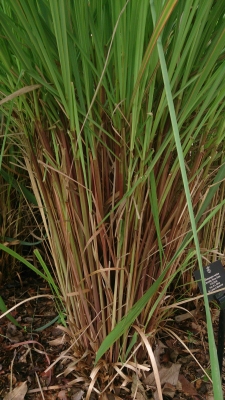
StrataMediumLifecycleClimaxMaturity4-5 yearsLifespan10-20 yearsFunctionFoodSpacing2-3 m

Selaginellaceae

1 plant
Selaginellaceae
Selaginella willdenowii
Peacock fern
No photo available
₡3,500In stock
0
Support

No cultivation data available.

No data available for this section.

No data available for this section.

No data available for this section.

StrataLowLifecyclePlacenta 1MaturityLifespanFunctionSupportSpacing

Urticaceae

1 plant
Urticaceae
Pourouma cecropiaefolia
Amazon Grape
No photo available
₡7,000In stock
0
South AmericaZone 10-12Food

No cultivation data available.

No data available for this section.

No data available for this section.

No data available for this section.

StrataEmergentLifecycleSecondary 2Maturity4-5 yearsLifespan20-30 yearsFunctionFoodSpacing3-4 m

Verbenaceae

1 plant
Verbenaceae
Lippia alba
Bushy Matgrass
Juanilama
₡2,000In stock
0
Central AmericaZone 9-11Food
Habit
Shrub
Height
2.00 m
Growth Rate
Slow
Pollinators
Insects
Cultivation Status
Cultivated, Wild

Native range: Through tropical and subtropical America, and the Caribbean, from Argentina to southern N. America.

Prefers a position in full sun in any moderately fertile, well-drained soil. A slow-growing plant.

Prefiere una posición en pleno sol en cualquier suelo moderadamente fértil y bien drenado. Es una planta de crecimiento lento.

The leaves are used mainly as a flavouring in soups etc, and occasionally as a cooked vegetable. They have an intense aniseed aroma. A pleasant tasting tea is make from the leaves.

Las hojas se utilizan principalmente como aromatizante en sopas y otros platos, y ocasionalmente como verdura cocida. Tienen un aroma intenso a anís. Se prepara un té agradable al paladar a partir de las hojas.

A tea made from the leaves is a favourite domestic remedy in Central America for both intestinal and respiratory disturbances, including influenza. A well-sugared infusion is drunk to bring relief of heart problems and to soothe tachycardia. Used externally, the aromatic leaves are used in herbal baths, to cure fevers and severe stomach pain, and to cleanse the bladder. The plant contains an essential oil composed principally of dihydrocarvone. Other compounds include limonene, pinene, linalol, and camphor.

Un té hecho con las hojas es un remedio casero popular en América Central para trastornos intestinales y respiratorios, incluyendo la influenza. Una infusión bien azucarada se bebe para aliviar problemas cardíacos y calmar la taquicardia. Usado externamente, las hojas aromáticas se utilizan en baños herbales para curar fiebres y dolor estomacal severo, y para limpiar la vejiga. La planta contiene un aceite esencial compuesto principalmente de dihidrocarvona. Otros compuestos incluyen limoneno, pineno, linalol y alcanfor.

No data available for this section.

📚 Porvenir Design DB
StrataMediumLifecycleSecondary 1Maturity3-4 monthsLifespan10-15 yearsFunctionFoodSpacing30-50 cm

Zingiberaceae

4 plants
Zingiberaceae
Elettaria cardamomum
Cardamom
₡3,500Enquire
0
South AsiaZone 10-12Food
Habit
Perennial
Height
3.00 m
Self-fertile
No
Pollinators
Bees, ants
Cultivation Status
Cultivated

Native range: E. Asia - India.

A plant of the moister tropics, it is usually cultivated at an elevation of 600 - 1,500 metres. A uniformly distributed rainfall of 2,500 - 3,800mm per year is considered optimal, though the plant can tolerate from 1,500 - 5,800 mm. Months with less than 125 mm rainfall have to be regarded as drought months. Optimum annual mean temperatures are considered to be around 22°c. The diurnal temperature may vary between 10 - 35°c. In the lowlands, where the annual mean temperatures are above 24°c, cardamom only propagates vegetatively; the plants do not grow where annual mean temperatures are below 17°c. Grows best in a rich, moist, well-drained soil in partial shade. Cardamom does not tolerate prolonged exposure to direct sunlight; about 50% is thought to be optimal. Evergreen montane forest land supplies the most favourable environment for cardamom, with soils varying from deep forest loam to white quartz gravel with only a shallow zone of humus accumulation. Plants are intolerant of drought, failing to produce seed if short of water when forming the inflorescence or flowering, and often dying if there are 2 drought years in a row. Cardamom comes into bearing about 3 years after planting out, which may be 4 - 5 years after sowing. Plants can produce economic quantities of fruit for 10 - 15 years. Flowers are self-sterile, therefore it is necessary to plant a mixture of clones. Flowering may occur throughout the year. The flowers open from the base of the panicle upwards over a long period, sometimes even more than one year. Flower buds require about 30 days from initiation to full bloom, capsule development takes a further 110 days. After the panicles have flowered, fruited and died, the vegetative shoots bearing them also die off.

Planta de los trópicos húmedos, generalmente cultivada a una altitud de 600 - 1.500 metros. Una precipitación anual uniformemente distribuida de 2.500 - 3.800 mm se considera óptima, aunque la planta tolera de 1.500 - 5.800 mm. Los meses con menos de 125 mm de lluvia se consideran meses de sequía. Las temperaturas medias anuales óptimas rondan los 22°C. La temperatura diurna puede variar entre 10 - 35°C. En las tierras bajas, donde las temperaturas medias anuales superan 24°C, el cardamomo solo se propaga vegetativamente; las plantas no crecen donde las temperaturas medias anuales son inferiores a 17°C. Crece mejor en suelos ricos, húmedos y bien drenados, en sombra parcial. El cardamomo no tolera la exposición prolongada a la luz solar directa; se considera que el 50% es óptimo. Los bosques montanos siempreverdes proporcionan el ambiente más favorable para el cardamomo, con suelos que varían desde tierra forestal profunda hasta grava de cuarzo blanco con solo una zona superficial de acumulación de humus. Las plantas no toleran la sequía y no producen semillas si carecen de agua durante la formación de la inflorescencia o la floración, y frecuentemente mueren si hay 2 años de sequía consecutivos. El cardamomo comienza a dar fruto alrededor de 3 años después del trasplante, que puede ser 4 - 5 años después de la siembra. Las plantas pueden producir cantidades económicas de fruto durante 10 - 15 años. Las flores son autoincompatibles, por lo que es necesario plantar una mezcla de clones. La floración puede ocurrir durante todo el año. Las flores se abren desde la base de la panícula hacia arriba durante un largo período, a veces incluso más de un año. Los botones florales requieren aproximadamente 30 días desde la iniciación hasta la floración completa; el desarrollo de la cápsula toma otros 110 días. Después de que las panículas han florecido, fructificado y muerto, los tallos vegetativos que las portan también mueren.

The aromatic fruit and seeds are much used as a spice in a range of dishes. The spice is used in the form of the whole fruit, the decorticated seeds, or the ground seeds. It plays an important role in a variety of spiced rice, vegetable and meat dishes, is used to flavour coffee and tea and is an important ingredient of curries. In the food and beverage industry it is used for flavouring confectionery, a range of baked goods, prepared savoury dishes, and a range of beverages. Locally, it is used as a masticatory, often included in the betel quid, and industrially it is used to a small extent in flavouring tobacco. Cardamom essential oil, which is extracted from the fruit, is mainly used in the flavouring of processed foods, but also in certain beverages such as cordials, bitters and liqueurs. Cardamom oleoresin, which is also obtained from the fruit, has similar applications to the essential oil but is used less extensively. Both the oil and oleoresin tend to develop off-flavours when exposed to the air for prolonged periods, so their use is generally confined to meat products with a short shelf-life, such as sausages. The young shoots can be eaten raw, steamed or roasted. The leaves are used to wrap other foods whilst cooking.

El fruto aromático y las semillas se utilizan ampliamente como especia en una variedad de platos. La especia se usa en forma de fruto entero, semillas decorticadas o semillas molidas. Juega un papel importante en una variedad de arroces especiados, platos de verduras y carnes, se utiliza para aromatizar café y té y es un ingrediente importante de los curries. En la industria alimentaria y de bebidas se utiliza para aromatizar confitería, una variedad de productos horneados, platos salados preparados y una variedad de bebidas. Localmente, se usa como masticatorio, frecuentemente incluido en la bolsa de betel, e industrialmente se usa en pequeña medida para aromatizar tabaco. El aceite esencial de cardamomo, extraído del fruto, se utiliza principalmente en el aromatizante de alimentos procesados, pero también en ciertas bebidas como cordiales, amargos y licores. El oleorresina de cardamomo, también obtenido del fruto, tiene aplicaciones similares al aceite esencial pero se usa menos extensamente. Tanto el aceite como la oleorresina tienden a desarrollar sabores desagradables cuando se exponen al aire durante períodos prolongados, por lo que su uso generalmente se limita a productos cárnicos con vida útil corta, como embutidos. Los brotes jóvenes pueden comerse crudos, al vapor o asados. Las hojas se utilizan para envolver otros alimentos mientras se cocinan.

The seeds, and an essential oil obtained from them, are a pungent, warm, aromatic herb that has stimulating, tonic effects, especially on the lungs and kidneys. It relaxes spasms, is expectorant and improves digestion. It reputedly detoxifies caffeine and counteracts mucus-forming foods such as dairy products. It has a long-lasting reputation as an aphrodisiac. The seed is taken internally in the treatment of indigestion, nausea, vomiting, enuresis and pulmonary diseases with copious phlegm. It is used in Ayurvedic medicine to treat bronchial and digestive complaints. The seed is chewed after meals in order to sweeten the breath. When taken with garlic, it helps to neutralize the garlic aroma. When used as a tincture, this herb is subject to legal restrictions in some countries. The fruits are harvested in the dry season and dried whole. The seeds are removed for oil extraction or to use medicinally in liquid extracts, powders etc. The ground rhizomes are used to treat colds.

Las semillas y un aceite esencial obtenido de ellas son una hierba aromática pungente y cálida que tiene efectos estimulantes y tónicos, especialmente sobre los pulmones y los riñones. Relaja espasmos, es expectorante y mejora la digestión. Supuestamente desintoxica la cafeína y contrarresta los alimentos que forman mucosidad como los productos lácteos. Tiene una larga reputación como afrodisíaco. La semilla se toma internamente en el tratamiento de indigestión, náuseas, vómitos, enuresis y enfermedades pulmonares con flema copiosa. Se utiliza en la medicina ayurvédica para tratar quejas bronquiales y digestivas. La semilla se mastica después de las comidas para dulcificar el aliento. Cuando se toma con ajo, ayuda a neutralizar el aroma del ajo. Cuando se usa como tintura, esta hierba está sujeta a restricciones legales en algunos países. Los frutos se cosechan en la estación seca y se secan enteros. Las semillas se extraen para la extracción de aceite o para uso medicinal en extractos líquidos, polvos, etc. Los rizomas molidos se utilizan para tratar resfriados.

No data available for this section.

StrataMediumLifecycleSecondary 2Maturity4-6 yearsLifespan20-30 yearsFunctionFoodSpacing1-2 m
Zingiberaceae
Etlingera elatior
Red Torch Ginger
₡3,000In stock
0
Southeast AsiaZone 10-12Support
Habit
Evergreen Perennial
Height
5.00 m
Cultivation Status
Cultivated, Ornamental, Wild

Native range: Southeast Asia - Thailand, Malaysia through Indonesia and the Philippines.

Prefers a position in full sun or partial shade. Succeeds in a moist, fertile, but well-drained soil. Plants can flower all year round.

Prefiere una posición a pleno sol o sombra parcial. Prospera en suelos húmedos, fértiles y bien drenados. Las plantas pueden florecer durante todo el año.

Leaves - cooked with rice. The young flower shoots and half-ripe fruiting shoots are used locally as a substitute for tamarind. Used as a condiment in curries. The stalks of the inflorescence are chopped and added to laksa pots (various curries or soups made with rice noodles). The fruits are candied. Half-ripe fruits are eaten in soups and stews. The ripe seeds are eaten raw.

Hojas - cocidas con arroz. Los brotes florales jóvenes y los brotes frutales semi-maduros se utilizan localmente como sustituto del tamarindo. Se usan como condimento en curries. Los tallos de la inflorescencia se pican y se añaden a ollas de laksa (diversos curries o sopas elaboradas con fideos de arroz). Los frutos se cristalizan. Los frutos semi-maduros se comen en sopas y guisos. Las semillas maduras se comen crudas.

The fruits and leaves are utilized medicinally.

Los frutos y las hojas se utilizan con fines medicinales.

No data available for this section.

Ornamental only
Zingiberaceae
Etlingera elatior
Pink Torch Ginger
Jengibre Antorcha
₡3,000In stock
0
Southeast AsiaZone 10-12Support
Habit
Evergreen Perennial
Height
5.00 m
Cultivation Status
Cultivated, Ornamental, Wild

Native range: Southeast Asia - Thailand, Malaysia through Indonesia and the Philippines.

Prefers a position in full sun or partial shade. Succeeds in a moist, fertile, but well-drained soil. Plants can flower all year round.

Prefiere una posición a pleno sol o sombra parcial. Prospera en suelos húmedos, fértiles y bien drenados. Las plantas pueden florecer durante todo el año.

Leaves - cooked with rice. The young flower shoots and half-ripe fruiting shoots are used locally as a substitute for tamarind. Used as a condiment in curries. The stalks of the inflorescence are chopped and added to laksa pots (various curries or soups made with rice noodles). The fruits are candied. Half-ripe fruits are eaten in soups and stews. The ripe seeds are eaten raw.

Hojas - cocidas con arroz. Los brotes florales jóvenes y los brotes frutales semi-maduros se utilizan localmente como sustituto del tamarindo. Se usan como condimento en curries. Los tallos de la inflorescencia se pican y se añaden a ollas de laksa (diversos curries o sopas elaboradas con fideos de arroz). Los frutos se cristalizan. Los frutos semi-maduros se comen en sopas y guisos. Las semillas maduras se comen crudas.

The fruits and leaves are utilized medicinally.

Los frutos y las hojas se utilizan con fines medicinales.

No data available for this section.
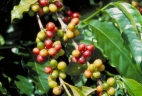
📚 Porvenir Design DB · theferns.info · iNaturalist
Ornamental only
Zingiberaceae
Hedychium coronarium
White Ginger Lily
Jengibre blanco
₡2,500In stock
0
Southeast AsiaZone 8-11Support
Habit
Perennial
Height
1.50 m
Cultivation Status
Cultivated, Ornamental, Wild

Native range: E. Asia - China, India, Bhutan, Nepal, Sri Lanka, Myanmar, Thailand, Vietnam, Malaysia, Indonesia, Australia

Hedychium coronarium is a plant of subtropical to tropical regions. It is not very cold-hardy, tolerating short-lived temperatures falling to about -2°c). , 200 Title The New RHS Dictionary of Gardening. 1992. Publication Author Huxley. A. Publisher MacMillan Press Year 1992 ISBN 0-333-47494-5 Description Excellent and very comprehensive, though it contains a number of silly mistakes. Readable yet also very detailed. ]. Requires a rich moist soil and a sunny position or partial shade. It succeeds in shallow water. Plants often escape from cultivation and become naturalised. They can spread considerably by means of their rhizomes to form dense thickets - these can quite hard to eradicate. The flowers have a delicious perfume which is most pronounced towards evening. Plants seem to be immune to the predations of rabbits. The tubers should be only just covered by soil.

Hedychium coronarium es una planta de regiones subtropicales a tropicales. No es muy resistente al frío, tolerando temperaturas que caen brevemente hasta alrededor de -2°C. Requiere un suelo rico y húmedo, y una posición soleada o de sombra parcial. Prospera en aguas poco profundas. Las plantas a menudo escapan del cultivo y se naturalizan. Pueden extenderse considerablemente mediante sus rizomas para formar matorrales densos, que pueden ser bastante difíciles de erradicar. Las flores tienen un perfume delicioso, más pronunciado hacia el atardecer. Las plantas parecen ser inmunes a la depredación de conejos. Los tubérculos deben estar apenas cubiertos de tierra.

Young buds and flowers are steamed and eaten, or used as a flavouring. Root - cooked. A famine food used when all else fails.

Los brotes y flores jóvenes se cocinan al vapor y se comen, o se utilizan como aromatizante. Raíz - cocida. Alimento de hambruna utilizado cuando todo lo demás falta.

The seed is aromatic, carminative and stomachic. The root is antirheumatic, excitant and tonic. The ground rhizome is used as a febrifuge. A decoction is used to treat pain in the chest and arms. An essential oil from the roots is carminative and has anthelmintic indications. A decoction of the basal part of the stem is gargled in the treatment of tonsillitis, or, alternatively, a part of the stem may be chewed. The chewed stem is applied to infected nostrils. An infusion of the leaves is used to treat abdominal complaints. Combined with the leaves of Lantana camara, it is used as a febrifuge. The boiled leaves are applied to stiff and sore joints.

La semilla es aromática, carminativa y estomacal. La raíz es antirreumática, excitante y tónica. El rizoma molido se utiliza como febrífugo. Una decocción se usa para tratar el dolor en el pecho y los brazos. Un aceite esencial de las raíces es carminativo y tiene indicaciones antihelmínticas. Una decocción de la base del tallo se utiliza como enjuague bucal en el tratamiento de la amigdalitis, o alternativamente, se puede masticar una parte del tallo. El tallo masticado se aplica a las fosas nasales infectadas. Una infusión de las hojas se utiliza para tratar molestias abdominales. Combinada con las hojas de Lantana camara, se utiliza como febrífugo. Las hojas hervidas se aplican a las articulaciones rígidas y doloridas.

No data available for this section.
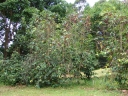
StrataMediumLifecycleSecondary 1Maturity3-4 monthsLifespan15-20 yearsFunctionSupportSpacing1-2 m

Unknown

3 plants
Unknown
NPV = No para venta
No photo available
Out of stock
0

No cultivation data available.

No data available for this section.

No data available for this section.

No data available for this section.
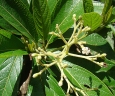
StrataLifecycleMaturityLifespanFunctionSpacing
Unknown
Descuentos en cantidades mayores
No photo available
Out of stock
0

No cultivation data available.

No data available for this section.
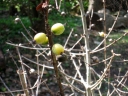
No data available for this section.

No data available for this section.

StrataLifecycleMaturityLifespanFunctionSpacing
Unknown
Plinia spp 'gigante'
No photo available
₡12,000In stock
0

No cultivation data available.

No data available for this section.

No data available for this section.

No data available for this section.
StrataLifecycleMaturityLifespanFunctionSpacing
×